THE NETFLIX PSYCHOLOGICAL GEM WITH A FINALE THAT LEAVES AUDIENCES IN ABSOLUTE SHOCK!
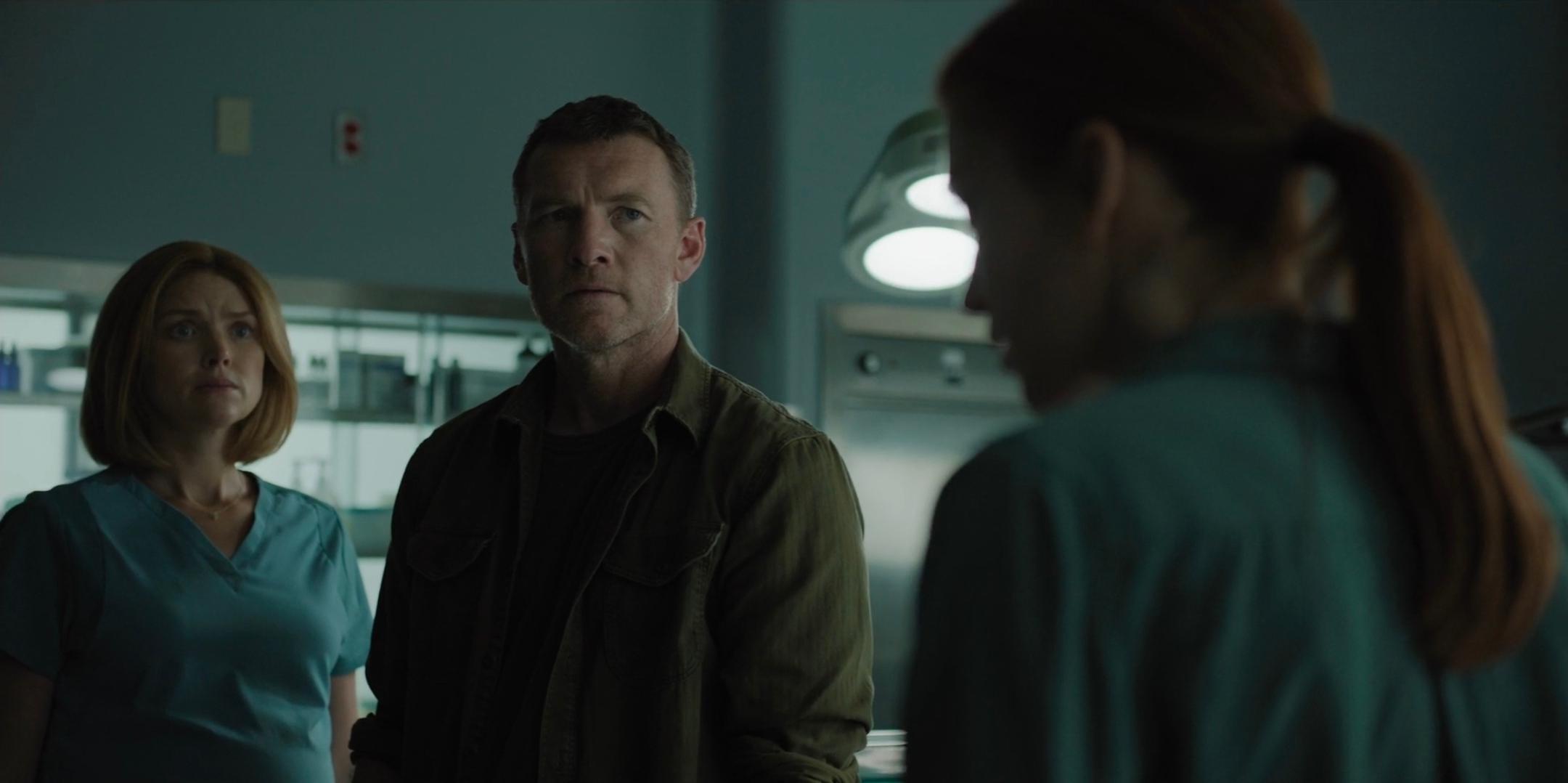
Every room hides a secret, and every corridor leads to deeper suspicion. Captured in an eerie, claustrophobic atmosphere on Netflix, Sam Worthington searches relentlessly for answers. The mind-blowing climax waiting in the final scenes proves that nothing—and no one—is quite what it seems.
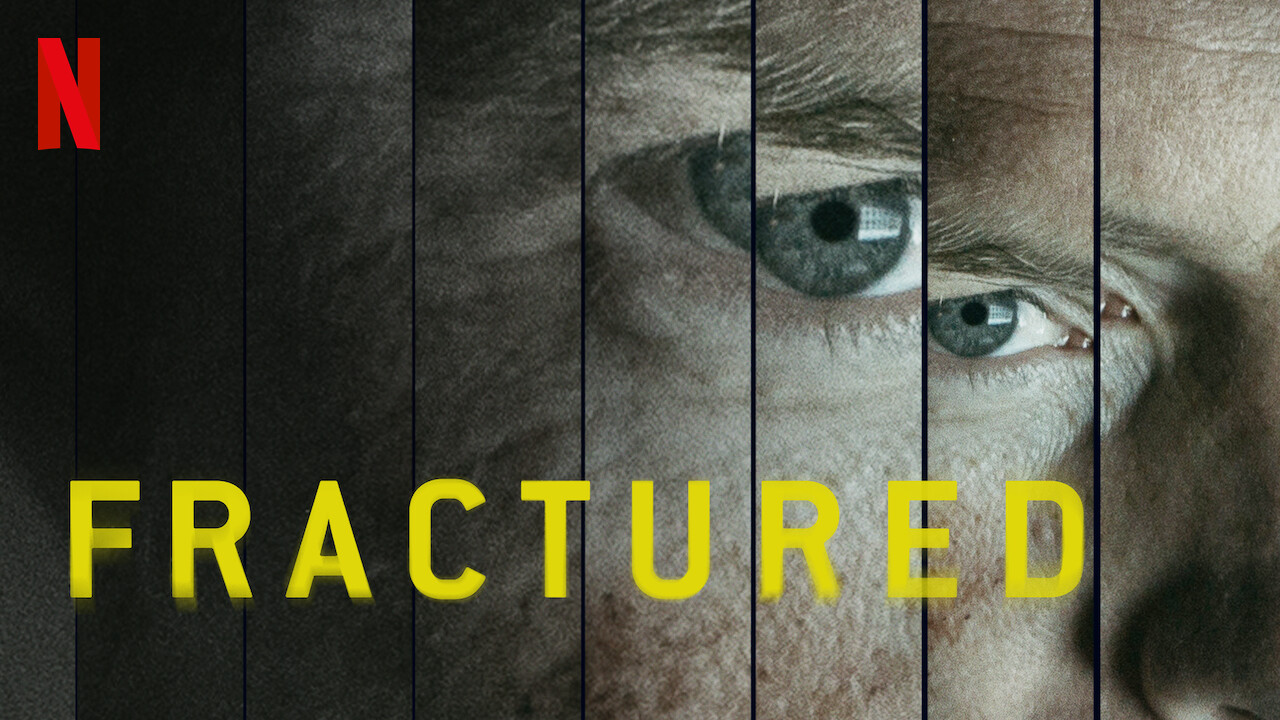
In an age of endless streaming content, true psychological thrillers that grip the mind and refuse to let go have become rare. Fractured, the 2019 Netflix original starring Sam Worthington, is one of those rare finds. Directed by Brad Anderson, the film drops viewers into a world of fluorescent lights, sterile hallways, and mounting paranoia that feels more real with every passing minute. What begins as a simple family emergency quickly spirals into a nightmarish puzzle where trust evaporates and reality itself starts to crack.
Ray Monroe (Worthington) is a husband and father trying to hold his family together during a roadside stop. A minor accident involving his young daughter Peri leads the family to a nearby hospital. What should have been a routine check-up becomes the starting point of a relentless ordeal. When Ray returns from getting his own head injury treated, his wife and daughter are gone. Staff claim they never checked in. Records show nothing. The more Ray demands answers, the more the hospital staff look at him with a mixture of pity and suspicion.
Worthington delivers one of his most intense and grounded performances. Stripped of the larger-than-life roles that made him famous, he plays a man whose desperation is written across every line of his face. Bruised, bandaged, and increasingly unhinged, Ray races through endless corridors, confronts unhelpful nurses, and questions doctors who seem determined to gaslight him. The camera follows him tightly, creating a sense of confinement that mirrors the character’s growing panic. Every closed door feels like a threat. Every quiet room seems to hide something unspeakable.
The film’s atmosphere is its greatest weapon. Anderson, known for tense, character-driven thrillers, turns an ordinary hospital into a labyrinth of suspicion. The lighting is cold and clinical. The sound design amplifies the hum of machines, the distant echo of footsteps, and the low murmur of conversations that stop the moment Ray approaches. Viewers begin to feel the same disorientation as the protagonist. Is the hospital covering something up? Is Ray losing his grip on reality after the accident? Or is something far darker at play?
Supporting performances add layers of unease. Lily Rabe as Joanne, Ray’s wife, and the young actress playing Peri create a believable family unit whose sudden absence becomes the emotional core of the story. The hospital staff, led by a calmly authoritative doctor, treat Ray with a professional detachment that borders on hostility. Their polite smiles and procedural answers only fuel his conviction that a conspiracy is unfolding behind the scenes.
As Ray digs deeper, the film masterfully plays with perception. Clues appear and disappear. Witnesses contradict themselves. Security footage raises more questions than it answers. The narrative refuses to give easy footing, forcing the audience to question every piece of information the same way Ray does. This is not a thriller that relies on jump scares or over-the-top violence. Instead, it builds dread through quiet moments and the slow erosion of certainty.
Worthington’s physical performance is particularly striking. The visible injuries—the bandage on his forehead, the bruises on his face—become external markers of the internal fracture taking place. He moves with the restless energy of a man who knows time is running out. His outbursts feel earned rather than theatrical. When he confronts staff or searches empty rooms, the frustration and fear are palpable. It is a performance that anchors the film even when the plot twists in unexpected directions.

The second half of Fractured tightens the noose. What began as a missing-persons mystery transforms into something more unsettling. Ray’s determination borders on obsession. He refuses to accept official explanations. He follows leads that lead nowhere. He begins to see patterns others dismiss. The audience is pulled along with him, sharing his growing certainty that the truth is being deliberately buried.
Anderson and the writers understand the power of withholding. Key pieces of information are revealed gradually, each one shifting the ground beneath the story. The hospital itself becomes a character—impersonal, bureaucratic, and strangely hostile to a father’s desperate search. The longer Ray remains inside its walls, the more the place seems to close in around him.
Then comes the final stretch. Without spoiling the precise revelations, it is fair to say the climax of Fractured delivers a gut-punch that recontextualizes nearly everything that came before. The last twenty minutes force a complete reevaluation of what the audience has witnessed. Moments that once seemed straightforward suddenly carry new weight. Details that appeared minor become devastating. The film does not simply surprise; it dismantles the viewer’s assumptions with clinical precision.
The ending has divided audiences in the best possible way. Some viewers leave the film stunned into silence. Others immediately want to rewatch it with fresh eyes, searching for the clues that were hiding in plain sight. That desire to revisit the story is the mark of a successful psychological thriller. Fractured does not merely entertain for its runtime—it lingers, prompting discussions and second-guessing long after the credits roll.
In a crowded Netflix catalog full of formulaic suspense, Fractured stands out for its commitment to atmosphere and performance. It trusts its audience to follow a complex, unreliable narrative without constant hand-holding. The film never feels the need to explain every beat or soften its final impact. Instead, it drops its revelation and lets the implications settle.
Sam Worthington has rarely been better. His portrayal of a man clinging to the last fragments of certainty is raw and compelling. The supporting cast and direction serve the story without drawing unnecessary attention. The result is a tight, unsettling experience that rewards careful viewing.
For those who enjoy psychological thrillers that prioritize mind games over spectacle, Fractured remains one of Netflix’s most effective hidden gems. It is the kind of film that starts as a straightforward missing-family story and ends as something far more disturbing and memorable. Every corridor, every closed door, and every contradictory answer builds toward a finale that genuinely shocks.
Once the final scene arrives and the truth crystallizes, the earlier sense of unease snaps into sharp focus. The secrets hidden in those hospital rooms prove darker than expected. The corridors that seemed to lead nowhere actually led straight into the heart of Ray’s fractured reality. And the relentless search for answers delivers a conclusion that leaves many viewers staring at the screen in absolute silence.
Fractured is not perfect—some may find the pacing deliberate or the resolution polarizing—but its strengths far outweigh its flaws. In an era of predictable streaming fare, a film that dares to upend its own narrative so completely is worth seeking out. Stream it with the lights low, the volume up, and your expectations ready to be shattered. The final moments will stay with you long after the hospital lights fade to black.