Viewers Thought This Was Just Another Period Drama… They Weren’t Ready for the Emotional Devastation
What begins as a quiet, elegantly staged historical story set against the backdrop of post-World War I Britain slowly unfolds into a deeply moving journey of forbidden love, profound sacrifice, heartbreaking consequences, and impossible decisions. Based on Graham Swift’s acclaimed novel, Mothering Sunday (2021) is a lush period drama that might initially seem like another tasteful British romance with its elegant estates, stiff upper-lipped manners, and evocative landscapes. But beneath the surface, it delivers an emotional punch that leaves audiences reeling long after the credits roll.
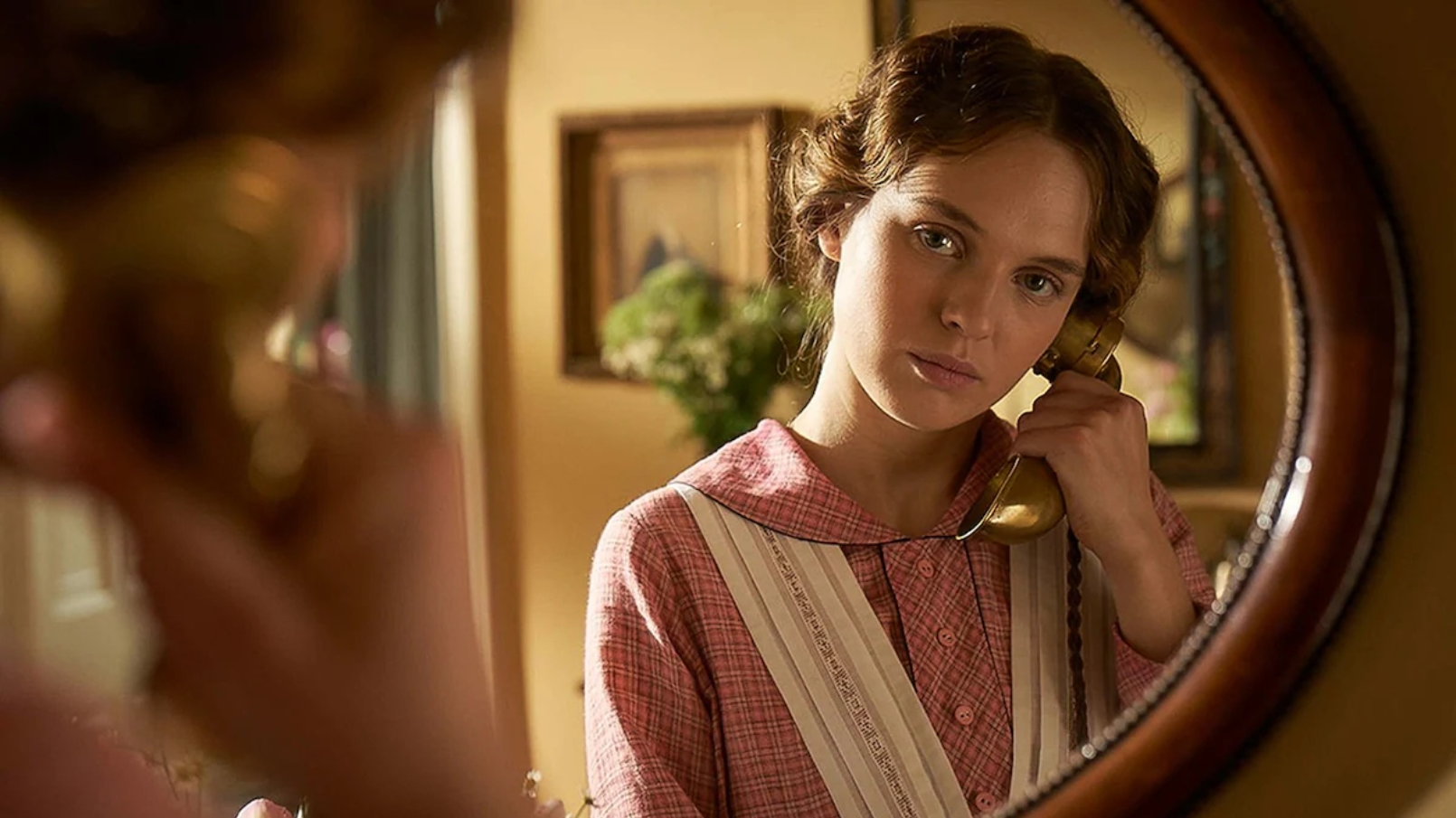
The film opens on a warm spring day in 1924, when the Niven family—wealthy and outwardly composed following the loss of their son in the Great War—is heading to a family gathering. Jane Fairchild (Odessa Young), the young maid and foundling who has served the Nivens with quiet devotion, is granted her rare day off. Her employers, Mr. and Mrs. Niven (Colin Firth and a powerhouse Olivia Colman), are about to embark on a formal lunch where Paul Sheringham (Josh O’Connor), the charming son of their neighbors, is expected to announce his engagement to a childhood friend. What begins as an ordinary Mothering Sunday evolves into something far more profound when Jane seizes her chance to bicycle across the fields to Paul’s home. There, in a moment of stolen passion, they share one last, passionate afternoon together—knowing it must remain their secret.
As the story unfolds, Mothering Sunday masterfully interweaves flashbacks and present-day reflections, revealing how this single day of love ripples through the lives of Jane, Paul, and the grieving adults around them. Jane’s simple, honest heart clashes with the rigid social conventions of her era, while Paul wrestles with duty, family expectations, and the ghosts of a war that claimed so many young men. Colman’s performance as the deeply flawed Mrs. Niven is widely hailed as one of her finest, capturing a woman who has internalized her grief so completely that she offers her maid not kindness, but routine and emotional distance. Firth complements her with quiet, understated strength. Young’s Jane anchors the film with remarkable emotional range—passionate yet vulnerable, resilient yet ultimately transformed.
This is not merely a tale of doomed romance or wartime trauma. It explores the tension between personal happiness and societal obligation in a society still scarred by loss. Themes of sacrifice, the lingering scars of the Great War, and the quiet strength of women who rise above their circumstances run throughout. The film never descends into melodrama; instead, it builds with subtle intensity, letting silence and restraint speak volumes. The final emotional revelation arrives like a thunderclap, reframing everything that came before and leaving viewers in stunned silence. Many describe it as a cinematic experience that lingers in the mind for days, forcing them to confront the complexities of love, forgiveness, and the long, quiet aftermath of loss.
Critics have praised Mothering Sunday for its lush visuals, aching atmosphere, and the outstanding ensemble cast. It has been called “one of the sexiest heterosexual period dramas in some time” and a “lush, aching period drama” that balances sensuality with melancholy. While some note the timeline shifts can feel disorienting, most agree that the performances and emotional craft keep the film engaging and memorable. On platforms like Rotten Tomatoes, it holds a strong critic score, with audiences often calling it an unforgettable, heart-wrenching ride.
In an industry full of formulaic period pieces, Mothering Sunday stands out for its emotional honesty and refusal to offer easy answers. It celebrates the power of one day that changes everything, reminding us that the greatest love stories are often the ones we must carry in silence. If you’re looking for a film that promises quiet beauty and delivers devastating depth, Mothering Sunday is a must-watch.
Don’t let the elegant costumes and gentle pacing fool you. This is the kind of movie that will haunt you—especially the final revelation that has everyone urging friends and family to experience it for themselves before the secret is spoiled. Click the link below to discover why this film has become one of the most talked-about period dramas of recent years. 👇👇👇