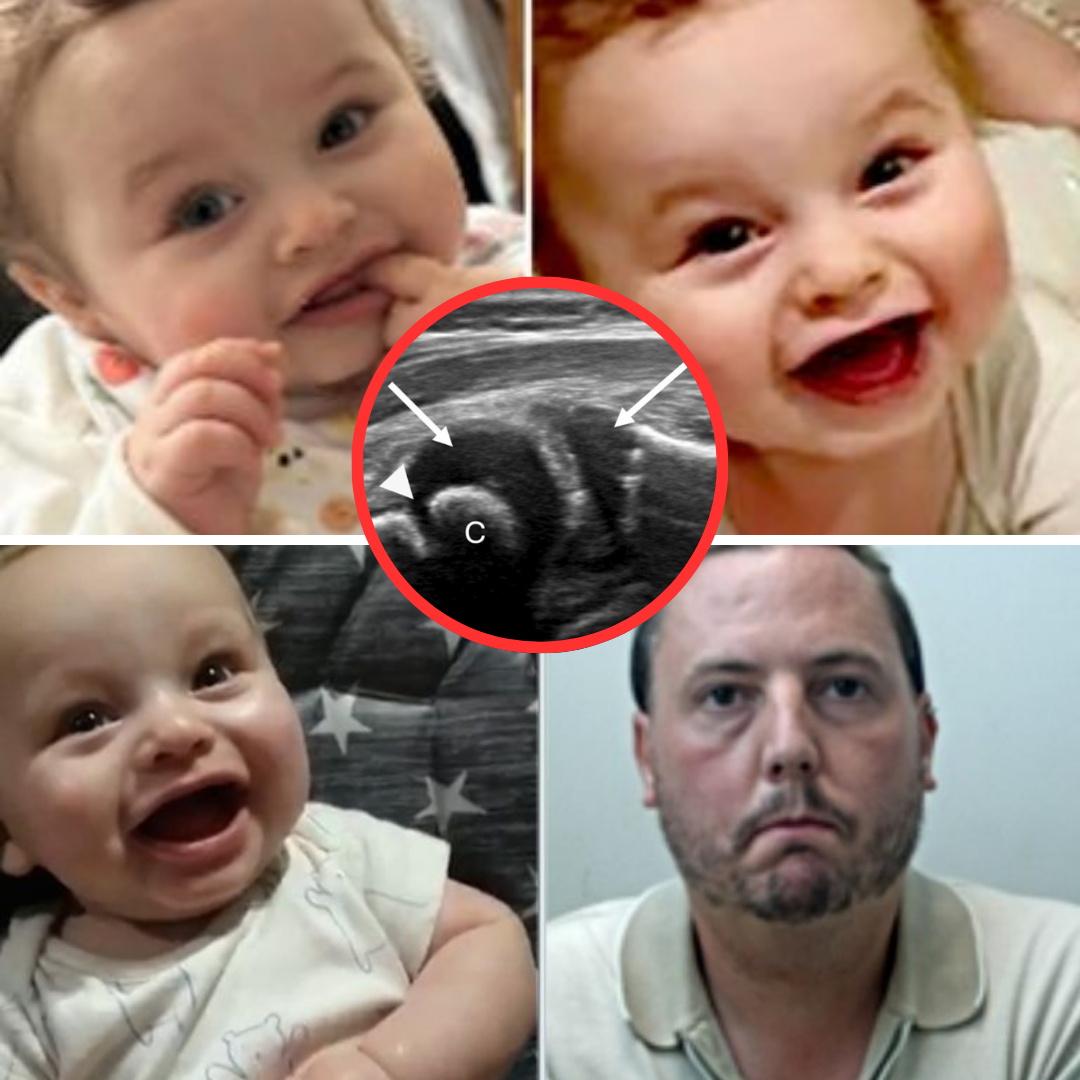
Preston Davey’s Tragic Death: Phone Evidence, Missed Warning Signs, and Calls for Child Protection Reform
In the heart-wrenching case of Preston Davey, a 13-month-old boy tragically lost his life after enduring months of unimaginable suffering at the hands of his adoptive parents. The tragic death of Preston Davey has reignited national debates about child safeguarding, highlighting the critical role of phone evidence and the alarming number of missed warning signs that could have prevented the devastating outcome.
Preston Elijah Davey was born prematurely on 16 June 2022 at Wythenshawe Hospital in Manchester. Placed into emergency foster care just five days later by Oldham Council, he remained in a safe and stable environment for the first nine months of his short life. His biological parents, Sarah Davey and Gary Nolan, were the birth parents. On 6 January 2023, prospective adopters Jamie Varley, a 37-year-old secondary school teacher, and his partner John McGowan-Fazakerley, 32, a finance sales manager, were approved for adoption by Adoption Now. Following introductions, the couple took Preston into their care on 1 April 2023, when he was just 10 months old.
Tragically, Preston’s new home became a place of terror. Over the next four months, he endured repeated physical, sexual, and psychological abuse. On 27 July 2023, Preston was found unresponsive and died later that evening at Blackpool Victoria Hospital. An autopsy revealed approximately 40 traumatic injuries, including severe bruises to his forehead, throat, mouth, bladder, bottom, and bleeding in the lungs. Forensic evidence confirmed signs of sexual abuse, such as “forcible penetration” consistent with his abnormal anatomy. The official cause of death was acute upper airway obstruction, not drowning as initially reported by Varley.
A key element that has come under intense scrutiny is the phone evidence recovered from the defendants’ mobile phones. Investigators seized numerous photos and videos from Varley’s device, including indecent images and recordings of abuse. One particularly harrowing video captured Preston in extreme respiratory distress on 27 July 2023, showing the boy taking an “agonal gasp” and requiring immediate resuscitation. Other footage documented injuries, psychological cruelty, and incidents such as Preston being left alone in the bath for more than 14 minutes without supervision on 24 July 2023. These digital records provided irrefutable proof of the abuse and were central to the prosecution’s case.
The timeline of Preston’s final months is filled with missed warning signs that experts believe could have altered the tragic outcome. On 6 April 2023, Varley texted his sister—a baby sleep trainer—complaining that Preston “didn’t sleep last night after 23:30 BST” and “was up every one and a half hours.” Four days later, on 10 April, Varley reportedly told a colleague he was struggling mentally and experiencing “dark thoughts” about drowning or suffocating the baby. Preston was taken to Blackpool Victoria Hospital three times in the weeks leading up to his death.
The first visit occurred on 25 May 2023, when Varley reported a seizure and breathing difficulties. Preston arrived at the hospital floppy and unresponsive. Medical staff noted bruising on his head but, after reviewing a home video of the child pulling a toy box onto himself, concluded the injuries were accidental and not suspicious. Hospital safeguarding teams were informed, and social services and Lancashire Police were contacted. However, no further police involvement followed.
A second hospital admission happened on 30 June 2023, when the couple reported rash, diarrhoea, vomiting, and a high temperature. Again, bruising to Preston’s head was documented, but explanations from Varley—supported by a 12-day-old video—led staff to dismiss concerns. A third and final visit on 6 July 2023 involved a fractured left arm. Varley claimed it occurred when he was placing Preston in his cot the previous evening. An X-ray confirmed the break, and a cast was applied. Preston’s social worker, Amy Shepherdson, visited the family home shortly after and noted the child had a “very sad face and a little cry.” She later reassured Varley by text that the hospital had “absolutely no concerns.”
These interactions reveal a pattern of inconsistencies, delayed medical intervention, and failures in multi-agency communication. Preston was seen by nurses, doctors, social workers, and police, yet none of the professionals escalated concerns sufficiently to protect the vulnerable toddler. The subsequent child safeguarding practice review, launched by Oldham Council, is now examining whether earlier intervention—such as more thorough assessments, mandatory police involvement on the first hospital visit, or specialist safeguarding reviews—could have saved Preston’s life.
The case has sparked widespread public outrage and calls for stronger child protection measures. Organisations are urging reforms in adoption processes, better training for professionals, and improved systems for sharing information across agencies. The conviction of Jamie Varley, who received a whole-life order, and John McGowan-Fazakerley, sentenced to 25 years for causing or allowing the death of a child, has brought some justice. However, questions remain about why so many safeguards failed.
Preston Davey’s story serves as a stark reminder that no child should ever be failed by the very systems designed to protect them. As the child safeguarding practice review continues, the nation must reflect on how to prevent future tragedies. Stronger accountability, enhanced phone evidence protocols in investigations, and a renewed focus on recognising subtle warning signs are essential. Until these changes are implemented, the preventable deaths of children like Preston will continue to haunt us all.
In conclusion, the Preston Davey case not only exposes the horrors of child abuse but also the human cost of missed opportunities in safeguarding. It demands immediate action to ensure no other baby suffers in silence. The call is clear: protect our children with vigilance and reform.