MIDNIGHT WELFARE CALL: WHAT CHILLING MESSAGE DID FRIENDS RECEIVE?
The carefully constructed timeline surrounding the final hours of Helena Wright and her two young children is beginning to fracture under the weight of new details. What began as a quiet concern among friends has exploded into one of the most haunting questions in the Port MacDonnell tragedy: what exactly did Helena write in the cryptic late-night text that prompted an emergency welfare check?
Leaked sources close to the investigation confirm that in the early hours before the fatal Monday, friends received a message from the 36-year-old mother that was so unsettling it triggered an immediate call to police. By the time officers arrived at her Compton home just outside Mount Gambier around 9:30 a.m., the house stood empty. Her phone, sources say, had gone completely dead. The car that would later be found abandoned with its engine still running near the cliffs of Cape Northumberland was already gone.
True-crime sleuths online and investigators offline are now dissecting every available fragment of that final communication. The wording, according to those familiar with its content, did not read like a straightforward cry for help. It carried an undercurrent of external pressure — language that suggested someone or something was closing in, that choices were being taken away, that the walls were moving. Whether the message pointed to overwhelming personal despair, fear of an outside influence, or a calculated final signal remains fiercely debated. What is no longer in dispute is that the text was the spark that set the welfare check in motion.
Helena Wright, originally from Estonia, had built what neighbours described as a picture of quiet domestic happiness in the small Limestone Coast community. She was the stay-at-home mother who spent hours on the swing with her 23-month-old daughter Hazel and her three-month-old son Louis. She sewed children’s clothes. The family attended church regularly. Her husband Brad was seen leaving for work that Monday morning as if it were any other day. To outsiders, they were the perfect neighbours — private, polite, and present.
Yet those closest to Helena had begun to notice cracks. Whispers of mental health struggles had circulated among friends in the weeks prior. On Sunday, 26 July, she walked into the Mount Gambier Police Station and spoke with officers. The content of that conversation has not been publicly released and forms part of the coronial brief. Less than 24 hours later, a friend — alarmed by the late-night message — contacted police at 9:28 a.m. The welfare check that followed found nothing but silence.
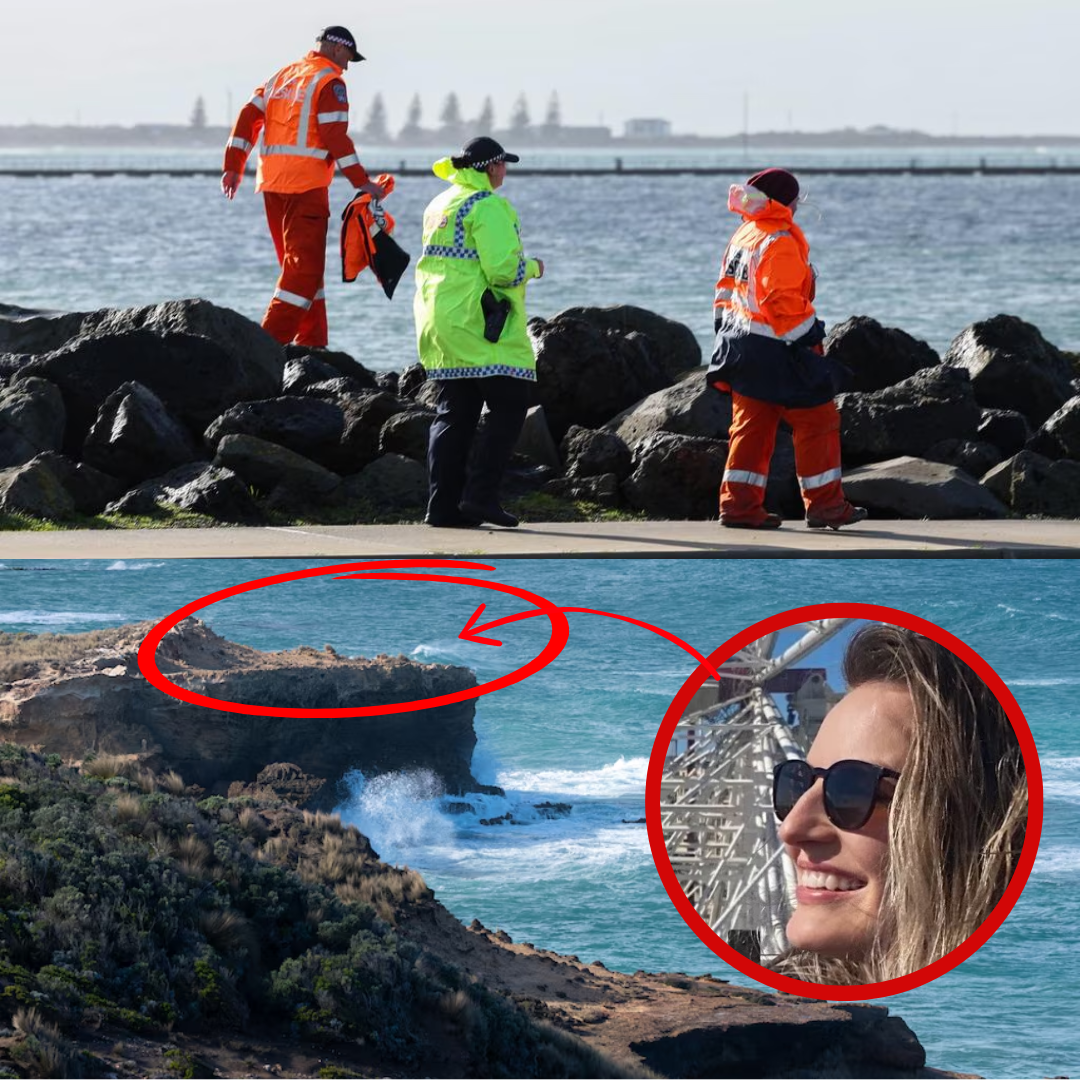
By 11:15 a.m., the abandoned vehicle with its engine still running near Port MacDonnell had drawn the attention of locals. What searchers discovered in the ocean below the cliffs has now been confirmed: the bodies of Helena and her toddler daughter. The three-month-old boy has never been found. After days of land and sea searches hampered by brutal weather, authorities formally ended the active search, stating the chances of finding the infant alive were “zero.”
Police are treating the deaths as a murder-suicide. They have stated there is currently no information suggesting any other person was involved. The matter has been referred to the coroner. Superintendent Trent Cox has spoken of the profound impact on first responders and the wider community, noting that specialised psychological support has been made available.
Yet the midnight message continues to haunt the narrative. Online communities of true-crime researchers have turned the limited details into a forensic puzzle. Some argue the wording revealed a woman in the grip of profound postnatal distress who felt she had nowhere left to turn. Others fixate on the suggestion of “third-party pressure,” interpreting the language as evidence that Helena believed she was being forced toward a decision she did not want to make. A smaller, more speculative corner of discussion raises the possibility that the message was deliberately ambiguous — a final breadcrumb left for those who would later try to understand.
The welfare check itself has become a focal point of public frustration and sorrow. Officers arrived. The house was empty. The phone was dead. In the narrow window between the friend’s alarmed call and the discovery of the abandoned car, a family vanished from the ordinary world into the cold water off South Australia’s southernmost point.
Helena had sought contact with police the day before. Friends had tried to reach her in the night. The system, in its formal sense, responded. And still the outcome was irreversible.
For the community of Mount Gambier and Port MacDonnell, the tragedy has left a deep wound. Premier Peter Malinauskas described it as the kind of event that “shocks you to the core.” Neighbours who once waved across fences now speak of a woman who seemed “bubbly and perfect” while privately carrying burdens few fully understood. The husband and father, Brad, has been informed and is dealing with unimaginable loss.
As the coronial investigation proceeds, more details about Helena’s final communications will almost certainly surface. Until then, the cryptic late-night text stands as the last known signal from a mother whose ordinary Monday morning ended in the ocean. The exact wording remains closely held, but its effect is already public: it mobilised friends, summoned police, and ultimately failed to stop what followed.
What that message truly revealed — desperation, coercion, or a final, deliberate farewell — may never be fully known to the public. What is known is that by the time help reached the doorstep, Helena Wright, her daughter, and her infant son were already beyond it. The house was empty. The phone was dead. And the cliffs at Cape Northumberland had claimed another set of names that the Limestone Coast will not soon forget.