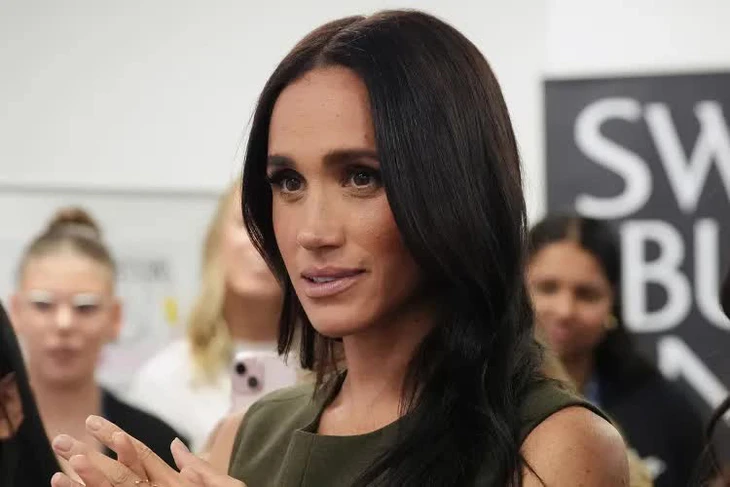
FABRICATED DRAMA AND DIGITAL EXPLOITATION: DEBUNKING THE VIRAL “HEARTBREAKING CONFESSION” REGARDING PRINCESS LILIBET
The Anatomy of a Sensationalized Royal Hoax
A fresh wave of sensationalized clickbait has flooded social media timelines, claiming that Meghan Markle, Duchess of Sussex, has made an unprecedented and “heartbreaking confession” about her three-year-old daughter, Princess Lilibet. Promoted through breathless formatting—replete with alarm emojis, capital letters, and vague emotional hooks—the posts suggest that while Prince Harry was away in the United Kingdom, Meghan shared a deeply private revelation that has left royal supporters “stunned” and reignited controversy surrounding the couple’s parenting choices.
However, an exhaustive check across global media databases, official statements from the Archewell Foundation, and accredited royal press pools confirms that no such confession was ever made. The claims are an outright fabrication—a manufactured narrative engineered to exploit public interest in the Royal Family, drive web traffic to monetization portals, and harvest user data through deceptive link redirection.
This phenomenon highlights an ongoing issue in contemporary digital media: the systematic exploitation of high-profile public figures through AI-generated fake news, manipulative headlines, and predatory clickbait campaigns.
Fact-Checking the “Heartbreaking Confession” Claims
To understand how clickbait networks construct these viral hoaxes, it is helpful to cross-reference the specific claims made in the viral posts directly against the verified public record.
Claim 1: Meghan Made an Emergency “Heartbreaking Confession”
-
The Viral Assertion: Promoters allege that the Duchess held an impromptu press event or released an emotional statement revealing a distressing secret about Princess Lilibet.
-
The Facts: Neither Meghan Markle nor the official Sussex media team has issued any statement, press release, or interview containing a “heartbreaking confession” about Lilibet. Official updates regarding the couple’s children remain exceptionally rare and are exclusively shared through formal channels, such as official documentary projects or verified charitable events.
Claim 2: The Timing Coincided with Harry’s Trip to the UK
-
The Viral Assertion: The post deliberately links Meghan’s supposed confession to Prince Harry’s solo travel to London, implying marital tension or sudden crisis at their Montecito home during his absence.
-
The Facts: Clickbait syndicates routinely use routine geographic separation—such as Prince Harry attending philanthropic summits or legal proceedings in the UK while Meghan remains in California with their children—to invent dramatic narratives of isolation or conflict. These assertions are completely speculative and unsupported by facts.
Claim 3: Exclusive Details Available via External Links
-
The Viral Assertion: Readers are instructed to “Click the link to read the full story” to reveal the specific, emotional detail.
-
The Facts: The external links embedded in these posts do not direct users to legitimate news coverage, accredited video clips, or official transcripts. Instead, they pass through a series of domain redirects leading to ad-cluttered blogs, survey schemes, or affiliate marketing pages designed solely to capitalize on user clicks.
How Royal Clickbait Syndicates Operate
The rapid proliferation of bogus headlines concerning the Duke and Duchess of Sussex relies on a well-established digital marketing strategy known as traffic arbitrage.
1. High-Arousal Emotional Framing
Social media algorithms are designed to favor content that triggers immediate, strong emotional responses—curiosity, concern, or outrage. Phrases like “HEARTBREAKING CONFESSION,” “REVEALS SHOCKING TRUTH,” or “LEAVING SUPPORTERS STUNNED” bypass critical evaluation, prompting users to interact before verifying the underlying source.
2. Algorithmic Amplification
When users click on or leave comments on a viral post—even to express skepticism or point out that the headline is false—the platform’s algorithm registers the activity as high user engagement. As a result, the post is pushed onto thousands of additional user feeds, expanding the scam’s reach exponentially.
3. Automated Content Farms and AI Generation
Modern clickbait operations frequently employ automated text generators to churn out thousands of synthetic articles daily. By feeding trending search keywords—such as “Meghan Markle,” “Prince Harry,” and “Lilibet”—into large language models, content farms produce endless variations of dramatic stories featuring invented sources, fictional quotes, and non-existent family crises.
Real Public Statements vs. Fabricated Tropes
When Meghan Markle speaks publicly about her children, her remarks stand in stark contrast to the dramatic tropes invented by clickbait creators.
In verified public appearances—such as her keynote panel at the SXSW festival or speaking engagements for the Archewell Foundation—the Duchess has consistently shared warm, uplifting, and generalized reflections on motherhood. She frequently speaks about encouraging her children to find their voices, creating a nurturing home environment, and navigating the universal challenges of parenting in a digital age.
By twisting benign, affectionate parental sentiments into scandalous “confessions,” clickbait operations create a false perception of constant crisis around the family.
The Broader Impact of Royal Misinformation
While fabricated stories about celebrities may seem like harmless digital noise, they carry tangible consequences for media consumers and public discourse:
-
Erosion of Media Literacy: The proliferation of fake headlines makes it increasingly difficult for average readers to distinguish between accredited investigative journalism and automated clickbait scams.
-
Financial Exploitation: Unsuspecting users who follow deceptive links risk falling victim to data harvesting, unwanted subscriptions, or malware infections.
-
Distortion of Public Perception: Persistent exposure to false narratives creates an inaccurate public image of real individuals, replacing factual reporting with sensationalized fiction.
How to Spot Deceptive Royal Headlines Online
Media literacy specialists recommend applying several basic verification steps when encountering dramatic celebrity news on social media:
-
Evaluate the Headline Style: Headlines relying on excessive capital letters, urgent emojis, and vague promises (“You won’t believe what happened next”) are almost exclusively clickbait.
-
Verify Through Accredited News Organizations: Major developments involving the Royal Family are covered simultaneously by established national and international news outlets. If a major story appears on only an unknown blog or Facebook page, it is unreliable.
-
Inspect the Link Destination: Avoid clicking shortened or unfamiliar URLs hidden behind “See More” prompts that refuse to identify the publisher upfront.
As public interest in high-profile figures remains high, consumers are encouraged to rely on verified sources, official statements, and reputable news outlets for accurate information.