DOCUMENTED DESPAIR: INSIDE THE DIARY ENTRIES AND COURTROOM REVELATIONS OF POSTPARTUM MENTAL HEALTH TRIALS
The Reality Behind Sensationalized Headlines
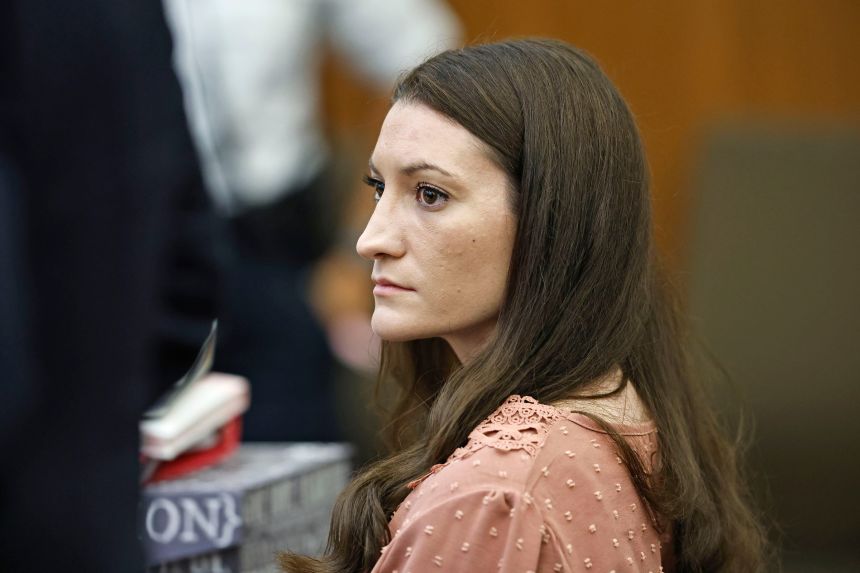
When headlines declare the discovery of a “secret diary” containing “shocking revelations” that “stun the world,” digital networks often frame real-world judicial proceedings as theatrical suspense stories. In high-profile criminal cases—most notably the ongoing murder trial of Lindsay Clancy at Plymouth Superior Court in Massachusetts—personal journals entered into evidence do not expose conspiratorial plots or malicious deceit. Instead, they offer a harrowing, contemporaneous record of a mother trapped in severe psychiatric distress, suffering from overwhelming guilt, cognitive decline, and silent pleas for medical intervention.
In criminal trials where a defendant’s state of mind is the central issue, personal writings serve as critical legal evidence. Rather than sensational plot twists, these documents provide jurors, medical experts, and the public with a direct window into the internal reality of perinatal mental illness hidden beneath a surface of domestic routine.
What Courtroom Journal Entries Actually Expose
During court proceedings, prosecutors and defense attorneys read aloud excerpts from handwritten notebooks and mobile note applications written in the weeks and months leading up to a tragedy. Far from confirming a hidden double life, these entries document a progressive, debilitating breakdown of mental health:
-
Pervasive Cognitive Dysfunction: Journal entries routinely record severe exhaustion and mental confusion. Written accounts describe experiencing “crazy brain fog,” an inability to formulate basic daily plans, and living moment-to-moment in anticipation of brief rest periods.
-
Explicit Pleas for Help: Written entries directly contradict narratives of cold premeditation. In notes introduced in court, mothers explicitly record their desire for recovery, writing statements such as “I want help. I want to be well”.
-
Overwhelming Anxiety and Emotional Detachment: Notebooks detail intense distress over maternal expectations, including obsessing over infant sleep schedules, feeling profound guilt over an inability to breastfeed, and experiencing an alarming emotional numbness or disconnection from loved ones.
-
Medication Tracking and Confusion: Pages frequently document complex, rapidly changing lists of prescribed psychiatric pharmaceuticals—including antidepressants, sleep aids, anti-anxiety medications, and antipsychotics—alongside notes describing mounting fear over side effects and physical instability.
These entries paint a clinical picture of a person desperately attempting to navigate an escalating mental health crisis while attempting to maintain everyday caregiving responsibilities.
The Legal Battle: Interpreting State of Mind and Criminal Capacity
The declassification and reading of diary entries in court create a central battleground for legal and psychiatric experts evaluating criminal responsibility. Under legal standards such as the McHoul test in Massachusetts, a defendant is not criminally responsible if a mental disease or defect deprives them of the substantial capacity to appreciate the wrongfulness of their conduct or conform their behavior to the law.
The Defense Interpretation
Defense attorneys and forensic psychiatric experts utilize personal writings to demonstrate a profound break from reality. Experts argue that entries detailing intrusive thoughts, severe insomnia, and cognitive disorganization evidence conditions like postpartum psychosis (PPP) or severe bipolar depression. In court, defense experts testify that such writings show a mind overwhelmed by involuntary psychiatric disease, where command hallucinations or psychotic delusions ultimately destroy volitional control.
The Prosecution Interpretation
Conversely, prosecutors evaluate diary entries for evidence of organized, goal-directed thinking. State attorneys argue that detailed scheduling, logical prose, and expressions of awareness regarding social expectations demonstrate that the writer retained cognitive capacity and understood the moral and legal wrongfulness of their actions. Prosecutors contend that expressions of stress or depression do not automatically equate to legal insanity at the precise moment an offense occurs.
Public Impact and the Perinatal Mental Health Crisis
The public disclosure of personal diary entries in high-profile trials resonates far beyond the courtroom, triggering widespread debate across news outlets and social media platforms.
-
Online Identification vs. Criticism: Excerpts from courtroom writings frequently trend on platforms like TikTok and Instagram. Thousands of mothers share content expressing solidarity with written descriptions of postpartum isolation, exhaustion, and burnout. However, mental health professionals and legal critics caution against conflating common parental fatigue with severe, violent psychiatric conditions, warning that romanticizing or trivializing horrific outcomes harms both public understanding and victim advocacy.
-
Distinguishing PPD from Postpartum Psychosis: The publicity surrounding diary revelations highlights crucial medical distinctions. While postpartum depression (PPD) affects approximately 1 in 7 new mothers and involves mood disturbances and anxiety, postpartum psychosis (PPP) is a rare medical emergency affecting 1 to 2 per 1,000 deliveries. PPP involves rapid-onset delusions, paranoia, auditory or visual hallucinations, and a severe break from reality requiring immediate inpatient hospitalization.
-
Systemic Healthcare Gaps: The documentation of frequent doctor visits and multiple medication changes in personal journals exposes critical vulnerabilities in maternal healthcare systems. Medical observers emphasize the need for standardized perinatal screening, careful monitoring of psychotropic medication changes, and improved support networks for mothers displaying early warning signs of severe mood disorders.
Responsible Journalism over Clickbait Exploitation
The transformation of tragic courtroom evidence into sensationalized headlines (“DIARY DISCOVERED – CONTENTS STUN THE WORLD!”) illustrates the aggressive tactics of online content aggregators. By capitalizing on emotional intrigue, clickbait publishers turn real human suffering and complex legal proceedings into sensational entertainment.
Journalistic integrity requires looking past inflammatory framing to examine the verified legal and medical facts presented under oath. The diaries unsealed in court do not reveal sensational secrets; they document a devastating intersection of severe psychiatric illness, medical struggle, and legal tragedy. Understanding these records accurately is essential for fostering meaningful public dialogue on maternal mental health, clinical accountability, and the proper administration of justice.