ANATOMY OF A DIGITAL HOAX: DECONSTRUCTING THE VIRAL “VISITATION FOOTAGE” FABRICATION
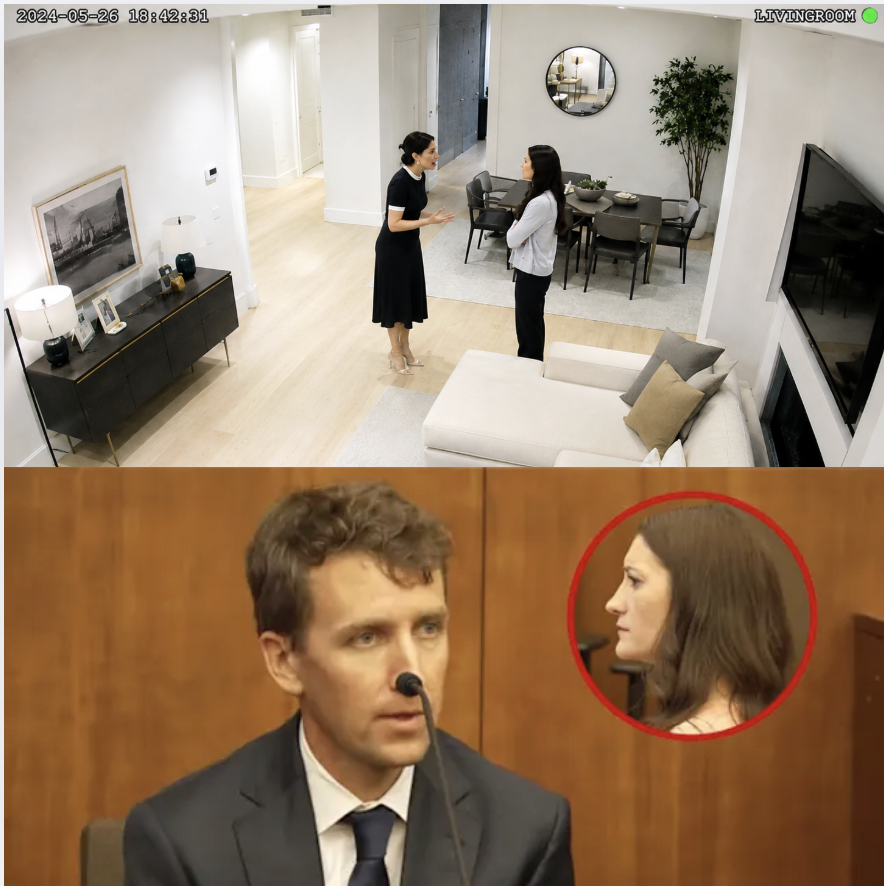
PLYMOUTH, Mass. — In the modern ecosystem of digital media, high-profile criminal cases frequently become targets for aggressive online misinformation campaigns. A widely circulated social media post claiming that leaked security footage showed a violent confrontation inside a state psychiatric facility between Lindsay Clancy and a “new wife” of her ex-husband, Patrick Clancy, is a complete digital fabrication.
The viral post—which alleges physical violence, whispered courtroom secrets, and unsealed audio logs—serves as a textbook example of sensationalized content designed to exploit public interest in tragic legal proceedings for digital traffic and click-through monetization.
Deconstructing the Fabricated Claims
The sensationalized headline and accompanying text make several dramatic claims that contradict established court records, facility protocols, and verified facts:
-
The “New Wife” Narrative: Court records and verified family statements confirm that Patrick Clancy is not remarried. The claim that a spouse visited the facility and engaged in an altercation is entirely false.
-
The Alleged Physical Confrontation: The post claims that a visitor slapped Lindsay Clancy inside a high-security psychiatric unit before being tackled by facility guards. No such incident occurred. Inpatient psychiatric facilities operating under court oversight maintain strict security measures, supervised visitation environments, and monitored contact rules that make unrecorded physical violence or unauthorized visitation impossible.
-
Fabricated “Leaked Audio” and Imagery: Phrases describing a “bloody smile,” “chilling confessions,” and “unsealed audio logs” are fabricated narrative tropes commonly employed by sensationalist digital channels to generate shock value and emotional intrigue.
-
The “Watch Full Video” Trap: The inclusion of an outbound link promising exclusive video footage is a classic tactic used by spam networks, phishing operators, and click-farm sites to drive traffic to unverified external domains.
The Reality of the Lindsay Clancy Proceedings
The actual legal proceedings surrounding Lindsay Clancy remain grounded in formal court filings at Plymouth Superior Court rather than internet rumors.
Clancy, 36, faced trial in connection with the January 2023 deaths of her three young children—Cora, 5, Dawson, 3, and Callan, 8 months—at the family’s residence in Duxbury, Massachusetts. Throughout the legal process, the core issue before the court has been her mental state at the time of the incident.
-
The Defense Argument: Defense attorney Kevin Reddington argued that Clancy was suffering from severe postpartum psychosis and experiencing command hallucinations exacerbated by a complex regimen of prescribed psychiatric medications. The defense maintained that she lacked criminal responsibility for her actions.
-
The Prosecution Argument: State prosecutors argued that Clancy acted with premeditation and deliberate calculation, pointing to her sending her husband on an errand to create a window of time before carrying out the acts.
Clancy, who suffered severe spinal injuries during the incident that left her paralyzed, has remained under strict medical care and judicial oversight throughout all legal proceedings.
The Mechanics of True-Crime Clickbait
Media literacy experts point out that high-profile legal cases frequently generate secondary markets of viral sensationalism. Digital content creators routinely utilize key psychological triggers to maximize user engagement:
-
Urgency and Exclusivity: Words like “UNSEALED,” “LEAKED,” and “JUST MINUTES AGO” create a false sense of breaking news.
-
Visceral Conflict: Inventing physical fights or sudden dramatic outbursts exploits the audience’s appetite for courtroom drama.
-
The Curiosity Gap: Leaving sentences incomplete or hinting at a “secret confession” forces readers to click external links or search through comment feeds.
Legal experts and law enforcement authorities repeatedly advise the public to rely on official court transcripts, verified news reporting, and formal legal briefings rather than unsourced social media hooks when following active court cases.