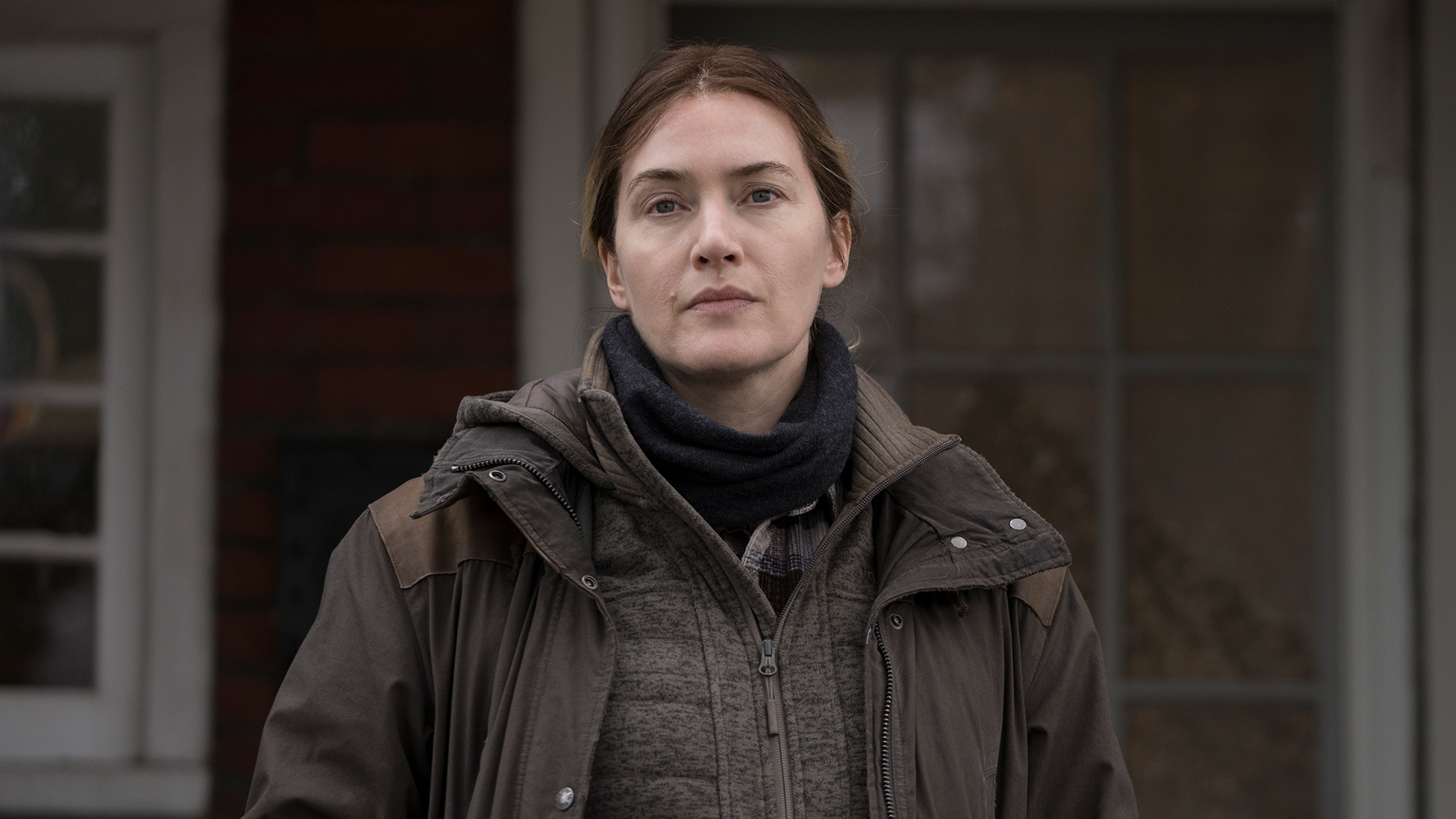
Bound by Blood and Betrayal: Kate Winslet and Maxine Peake Lead Netflix’s Gripping Thriller ‘The Longest Run’
The British crime thriller has long been a crown jewel of television drama, defined by grey-skied coastal landscapes, quiet psychological dread, and flawed, intensely human characters. However, when a project unites two of the UK’s most formidable acting powerhouses—Oscar winner Kate Winslet and BAFTA nominee Maxine Peake—the stakes elevate instantly. Written by acclaimed screenwriter Jack Thorne (His Dark Materials, The Virtues), Netflix’s latest five-part limited series, The Longest Run, takes the fugitive thriller archetype and transforms it into a devastating exploration of sisterhood, generational trauma, and the crushing weight of hidden truths.
From its opening frames, The Longest Run plunges viewers into a high-velocity pursuit. Yet, beneath the pulse-pounding chase lies a deeply emotional character study that asks a haunting question: when you run from your past, what happens when the person running beside you is the very person holding the key to your destruction?
A Reckless Choice and a Shattered World
Set against the rugged, rain-slicked terrain of the Peak District, the narrative centers on two estranged sisters: Ruth (Kate Winslet), a pragmatic, emotionally guarded nurse who has spent her adult life striving for quiet stability, and Sarah (Maxine Peake), a volatile, fiercely independent activist whose life has been defined by rebellion. Having barely spoken in over a decade, the sisters are forced back into each other’s orbits following the sudden illness of their elderly father.
The fragile reunion collapses in a single, terrifying evening. An unexpected visit from a figure linked to their family’s long-buried history escalates into a violent confrontation, forcing Ruth and Sarah into a split-second, catastrophic decision. Left with a crime scene they cannot explain and a law enforcement system they do not trust, the sisters make a desperate choice: they gather what little supplies they can and flee into the night.
Within twenty-four hours, Ruth and Sarah find themselves listed as primary suspects in a high-profile criminal investigation. As local authorities and a relentless private investigator close in, the sisters are forced to navigate small-town backroads, abandoned industrial sites, and unforgiving natural terrain, surviving on adrenaline, sheer willpower, and the uneasy truce between them.
Powerhouse Performances at the Core
What raises The Longest Run above standard cat-and-mouse thrillers is the extraordinary screen dynamic between Kate Winslet and Maxine Peake.
Winslet delivers a masterclass in quiet, simmering anxiety. Her depiction of Ruth is that of a woman whose carefully constructed life is disintegrating before her eyes. Every breath, every hesitant step, and every panicked glance conveys the terror of someone who spent years escaping chaos, only to be dragged back into it. Winslet portrays Ruth’s fear not as weakness, but as a grounded, survivalist instinct.
Opposite her, Maxine Peake brings a sharp, dangerous energy to Sarah. Unapologetic, cynical, and fiercely protective, Sarah is the rocket fuel to Ruth’s pragmatic caution. Peake embodies a character who has lived on the margins for so long that being a fugitive feels almost natural. Yet, beneath her rugged exterior, Peake reveals subtle cracks of guilt, hinting at an unbearable burden that Sarah has carried alone for years.
The interaction between the two leads is electric. Their quiet, late-night arguments in hidden motels and secluded barns serve as the emotional heart of the series. Dialogue written by Jack Thorne captures the unique cadence of sibling friction—the innate ability to hurt each other with a single word, alongside an unspoken, instinctual bond that binds them together despite past grievances.
Jack Thorne’s Masterclass in Atmospheric Tension
Screenwriter Jack Thorne is renowned for his ability to weave complex social commentary and emotional realism into high-concept narratives. In The Longest Run, Thorne uses the familiar pacing of a crime thriller to unpack the complexities of family dynamics, social isolation, and how systemic failures force ordinary people into extraordinary corners.
Director Harry Bradbeer (Fleabag, Enola Holmes) complements Thorne’s script with a stark, atmospheric visual language. The camera lingers on the vast, unforgiving expanses of the British countryside, emphasizing the sisters’ utter isolation. The natural elements—relentless rain, freezing winds, and encroaching darkness—become characters in their own right, constantly wearing down the fugitives’ physical and mental reserves.
The series carefully avoids the glossy, sensationalized tropes often found in modern streaming thrillers. There are no invincible action heroes or improbable escapes; every physical alter, every injury, and every sleepless night leaves visible, lingering scars on the protagonists, heightening the sense of real-world jeopardy.
The Twisted Path to a Devastating Truth
As the five-part structure progresses toward its climax, the narrative constantly shifts the audience’s understanding of who is hunting whom. The pursuit is not merely conducted by the police; shadow figures from the sisters’ shared childhood begin to emerge, suggesting that the event that triggered their flight was not a random accident, but the culmination of a conspiracy engineered decades earlier.
Every new clue the sisters uncover forces them to re-examine their own memories. Ruth begins to realize that Sarah’s decade of estrangement was not an act of selfish abandonment, but a deliberate move to shield Ruth from a dangerous truth buried within their family tree.
The tension reaches a breaking point in the series’ pivotal fourth episode, where a routine stop for supplies turns into an intense, claustrophobic standoff. As the net tightens around them, the greatest threat to the sisters’ survival is no longer the approaching sirens, but the realization that the secret keeping them alive is built on a devastating lie.
A Climax That Redefines the Narrative
The ultimate strength of The Longest Run lies in its refusal to offer easy resolutions. When the final piece of evidence falls into place during the harrowing series finale, it completely flips the moral framework established in the opening hour.
Without relying on cheap gimmicks, Jack Thorne delivers a narrative turn that feels both shocking and inevitably tragic. The true revelation does not simply solve the mystery of the crime; it forces Ruth and Sarah to confront the reality of who they are to each other, and what price they are willing to pay for redemption.
Featuring unforgettable performances, exceptional direction, and a story that lingers long after the final credits, The Longest Run stands as a triumphant addition to Netflix’s drama slate—a thrilling, heartbreaking testament to the lengths we will go to protect, or destroy, the ones we love.