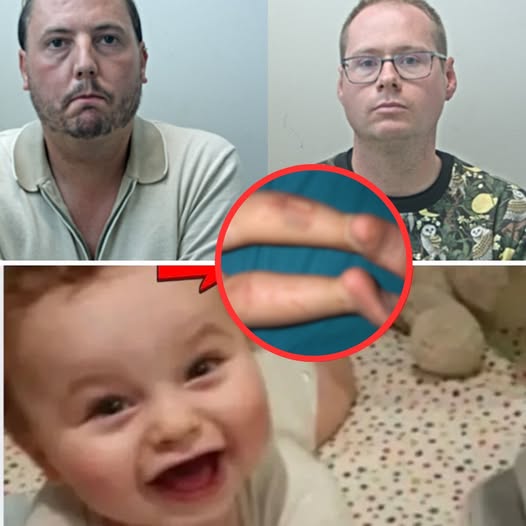
Forensic Telemetry and Biomechanical Evidence: Unraveling the Evidentiary Timeline in the Preston Davey Case
In the ongoing criminal proceedings surrounding the fatal injuries sustained by young Preston Davey, an exhaustive presentation of expert medical testimony and digital forensic evidence has provided court officials with a definitive timeline. During recent court sessions, state prosecutors presented an integrated forensic analysis combining pediatric pathology, digital device telemetry, and biomechanical modeling. The presented findings established that the cumulative physical trauma documented on the child developed over a period of several weeks, directly contradicting the defense’s assertion of a sudden, isolated accident.
The comprehensive evidentiary presentation marks a crucial juncture in a case that has drawn significant attention from legal scholars, medical experts, and child welfare advocates nationwide.
Forensic Pathology and the Mechanics of Cumulative Trauma
The foundation of the state’s evidentiary argument rested on detailed testimony from chief pediatric pathologists and forensic specialists who conducted the post-mortem analysis. Medical examiners presented a thorough breakdown of 40 distinct injuries identified during autopsy, ranging from skeletal fractures at various stages of cellular repair to extensive soft-tissue trauma and severe respiratory compromise.
Crucially, histopathological examination—which analyzes tissue response and cellular regeneration—allowed forensic experts to establish precise temporal windows for when the various injuries were inflicted. Rather than occurring during a single traumatic event, the cellular evidence demonstrated that the physical damage accumulated sequentially over an extended period:
-
Skeletal Reconstruction: Radiographical evidence revealed calloused bone tissue indicating healing fractures that occurred weeks prior to the final emergency call, alongside acute, unhealed fractures sustained shortly before death.
-
Dermatological and Soft-Tissue Analysis: Deep-tissue contusions exhibited varying stages of hemoglobin breakdown, proving that physical impact had occurred at multiple distinct intervals over a prolonged timeframe.
-
Physiological Impact: Pathologists emphasized that the failure to seek medical intervention for earlier structural injuries severely compromised the child’s physiological resilience, creating a cumulative vulnerability that heightened the severity of subsequent physical distress.
Child welfare specialists testifying for the state noted that this distinct pattern aligns with established clinical indicators of chronic, severe physical abuse and systematic medical neglect, establishing a prolonged pattern of behavior rather than a singular instance of domestic mishap.
Digital Telemetry and the Reconstruction of the Final Hours
To complement the pathological findings, state investigators introduced a detailed digital timeline compiled from smart home sensors, mobile device logs, automated security records, and wearable telemetry recovered from the residence of the convicted adoptive father, Jamie Varley.
Digital forensic analysts demonstrated how device event logs were synchronized with medical data to reconstruct the exact sequence of events leading up to the dispatch of emergency services:
-
Inconsistencies in the Initial Defense: Varley’s legal team had previously argued that the child suffered an acute, unobserved respiratory blockage while briefly unattended, claiming that emergency assistance was requested immediately upon discovery.
-
Device Event Mapping: Network activity logs and internal sensor data showed active mobile device usage, including internet searches and application navigation, during the precise timeframe when the severe respiratory compromise occurred.
-
Delayed Emergency Response: Biomechanical models of respiratory failure, matched against environmental audio logs from ambient home sensors, established a multi-hour delay between the initial physical crisis and the incoming call to emergency dispatchers.
By placing physiological markers directly alongside digital timestamps, prosecutors effectively dismantled the argument of a rapid-onset, unpreventable medical crisis. The alignment of digital activity with the physical timeline proved critical in establishing that Varley maintained full operational awareness of the domestic environment during the period of physiological distress.
Legal Implications and the Failure of Duty of Care
The integration of digital logs with forensic pathology significantly altered the legal dynamics inside the courtroom. Under applicable state statutes regarding child endangerment and felony murder, establishing a deliberate, sustained failure to provide medical care carries substantial legal weight, independent of direct physical infliction.
During cross-examination, state prosecutors focused on the legal obligation of a legal guardian to seek prompt medical attention. The forensic proof that earlier, severe injuries remained untreated provided the jury with a clear framework of chronic neglect. Legal analysts tracking the trial noted that the objective nature of the digital telemetry severely limited the defense’s ability to present plausible alternative explanations for the delay in seeking emergency intervention.
The trial highlights an increasing reliance on multi-system digital forensics in domestic violence and child abuse prosecutions. The ability to cross-reference biological indicators with electronic device activity provides courtrooms with a level of chronological precision that was historically unachievable through witness testimony alone.
Systemic Oversight and Child Welfare Policy Impact
Beyond the courtroom, the forensic revelations in the Preston Davey case have reignited intense discussions surrounding child protection protocols, post-adoption supervision, and institutional welfare checks.
Advocacy groups and policy experts have pointed to the case as evidence of systemic gaps in monitoring high-risk placements. Key reform recommendations currently under consideration by state legislative committees include:
-
Mandated Independent Medical Reviews: Requiring comprehensive, independent pediatric evaluations during the post-adoption transition period, rather than relying solely on observational visits by caseworkers.
-
Enhanced Inter-Agency Telemetry Sharing: Standardizing digital reporting mechanisms between medical facilities, law enforcement, and child protective services to flag recurring emergency room visits or missed developmental milestones.
-
Revised High-Risk Indicators: Updating caseworker assessment rubrics to better identify subtle indicators of chronic neglect and hidden physical trauma.
Representatives from child protection coalitions emphasize that early detection remains the most vital tool in preventing severe domestic harm. The integration of modern medical diagnostics into routine welfare monitoring is seen as a necessary evolution to protect vulnerable children in home environments.
The Pursuit of Legal and Procedural Accountability
As the trial moves toward its final phases, the evidentiary record established in the Preston Davey case stands as a landmark demonstration of modern forensic capability. By uniting microscopic tissue analysis with digital device logs, the prosecution presented a clear, objective narrative that prioritized scientific fact over subjective interpretation.
While the legal proceedings against Jamie Varley reach their ultimate judicial conclusion, the broader impact of the case continues to resonate across the legal and social work sectors. The thorough documentation of the timeline serves not only to establish accountability under the law, but also to inform future child protection policies designed to prevent similar institutional breakdowns.