Managing Narrative Control in High-Profile Celebrity Relationships
Public Boundaries and Digital Speculation: Managing Narrative Control in High-Profile Celebrity Relationships
In the hyper-connected architecture of modern media, the intersection of professional athletics and global pop culture generates a level of scrutiny unprecedented in public life. When unverified social media posts or ambiguous online activity trigger waves of viral speculation, public figures often find themselves forced to navigate an unrelenting cycle of commentary, rumor, and parasocial expectation. The recent public interactions surrounding NFL star Travis Kelce and music icon Taylor Swift highlight a growing trend in celebrity culture: the deliberate, strategic assertion of personal boundaries in an age defined by continuous digital surveillance.
Rather than allowing unvetted digital rumors to dictate public narrative, high-profile individuals are increasingly utilizing direct press engagements to establish firm distinctions between their public professional obligations and their private lives. This shift underscores a broader realignment in how public figures manage privacy, brand equity, and mental well-being under the intense gaze of global media ecosystems.
The Mechanics of Viral Speculation and Digital Amplification
The modern digital landscape operates on algorithms designed to maximize user engagement through emotional resonance and narrative conflict. A single cryptic social media post, a momentary absence from a public event, or a misconstrued physical gesture can rapidly escalate into a global media phenomenon. Within hours, short-form video platforms, gossip blogs, and social media feeds become saturated with micro-analyses from self-appointed body language experts and entertainment commentators.
This environment creates an ecology where speculative narratives gain momentum independently of factual reality. Key elements driving these viral cycles include:
-
Algorithmic Velocity: Automated recommendation systems prioritize high-velocity engagement metrics, elevating sensationalized rumors far faster than traditional journalistic verification processes can evaluate them.
-
Parasocial Investment: Audiences develop deep emotional connections with public figures, fostering an exaggerated sense of entitlement to real-time updates regarding their personal relationships and private decisions.
-
Contextual Fragmentation: Isolated video clips or ambiguous text posts are systematically stripped of their original context, allowing digital audiences to project complex personal dramas onto mundane human interactions.
When a viral frenzy reaches critical mass, the resulting noise distracts from professional endeavors, impacts corporate sponsorships, and creates immense personal strain for those involved.
Direct Communication as a Strategy for Narrative Containment
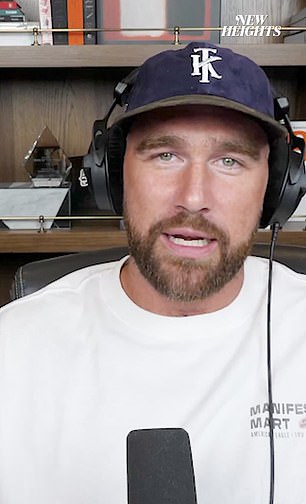
Faced with Unchecked speculation, public figures are abandoning traditional passive public relations approaches—such as ignoring rumors or issuing vague written statements—in favor of direct, emotionally authentic communication. When Travis Kelce addressed assembled media representatives to confront ongoing rumors regarding his personal life, his statement signaled a clear pivot toward active narrative containment.
By stepping before cameras to address the public directly, individuals can dismantle speculative fabrications before they cause lasting reputational or personal damage. Stating clearly that specific personal matters will remain private represents a calculated strategy to reclaim agency over one’s life story.
Media relations experts note that establishing explicit personal boundaries serves several critical functions:
“In the modern media environment, silence is frequently weaponized by speculative commentary,” explains a senior crisis communications specialist. “By publicly drawing a firm line around private decisions, high-profile individuals reset public expectations, shifting the focus back toward their professional contributions and operational achievements.”
This direct approach neutralizes the speculative economy by removing the ambiguity that feeds tabloid media. When a public figure clearly defines what information belongs to the public domain and what remains private, it deprives speculative outlets of the uncertainty required to sustain ongoing scandal cycles.
The Commercial and Fiduciary Realities of Mega-Celebrity
The decision to establish strict privacy boundaries is not merely a matter of personal comfort; it is also a fundamental business necessity. The intersection of professional sports franchises like the Kansas City Chiefs and global entertainment brands like Taylor Swift represents a multi-billion-dollar commercial ecosystem. Unchecked personal rumors can introduce instability into commercial partnerships, affect ticket sales, influence corporate sponsorships, and create unwanted distractions within team locker rooms.
For professional sports organizations, managing athlete public relations requires balancing fan engagement with operational focus. High-profile personal relationships draw immense global attention, expanding team viewership and driving merchandise sales. However, when media attention shifts from athletic performance to intrusive personal speculation, it risks undermining team cohesion and strategic focus.
By establishing clear boundaries regarding media access to personal life, athletes protect both their individual brand integrity and their primary professional obligations to their teams, teammates, and corporate stakeholders.
Parasocial Boundaries and the Demand for Authenticity
The public reaction to celebrity boundary-setting highlights a fundamental tension in modern culture: the conflict between public desire for total access and the human need for personal autonomy. For decades, the traditional media contract implied that fame required the surrender of personal privacy. However, a new generation of cultural figures is actively renegotiating these terms.
Today’s audiences paradoxically demand both raw emotional authenticity and complete transparency. Yet, true authenticity requires recognizing that public figures are human beings entitled to private spheres safe from commercial exploitation. When a celebrity visibly expresses emotion or vulnerability while defending their right to privacy, it humanizes them while simultaneously asserting a firm limit on fan access.
This evolving dynamic encourages a healthier, more mature relationship between public figures and their audiences—one rooted in mutual respect for professional achievements rather than intrusive fascination with private choices.
Reclaiming Perspective in the Age of Constant Exposure
The viral news cycles surrounding ultra-famous personalities ultimately serve as a mirror reflecting society’s complex relationship with technology, media consumption, and celebrity culture. While digital platforms provide unprecedented access to global figures, they also blur the vital boundaries necessary for healthy human relationships.
As public figures continue to pioneer sophisticated strategies for narrative control, the public is challenged to cultivate greater media literacy and respect for personal privacy. Understanding the distinction between public entertainment and private life remains essential for navigating an increasingly transparent world.
Ultimately, the assertion of personal boundaries by high-profile figures offers an instructive model for an era dominated by hyper-connectivity. By prioritizing personal integrity, authentic communication, and professional excellence over public spectacle, individuals can navigate the overwhelming demands of global fame while preserving the core of their personal lives.