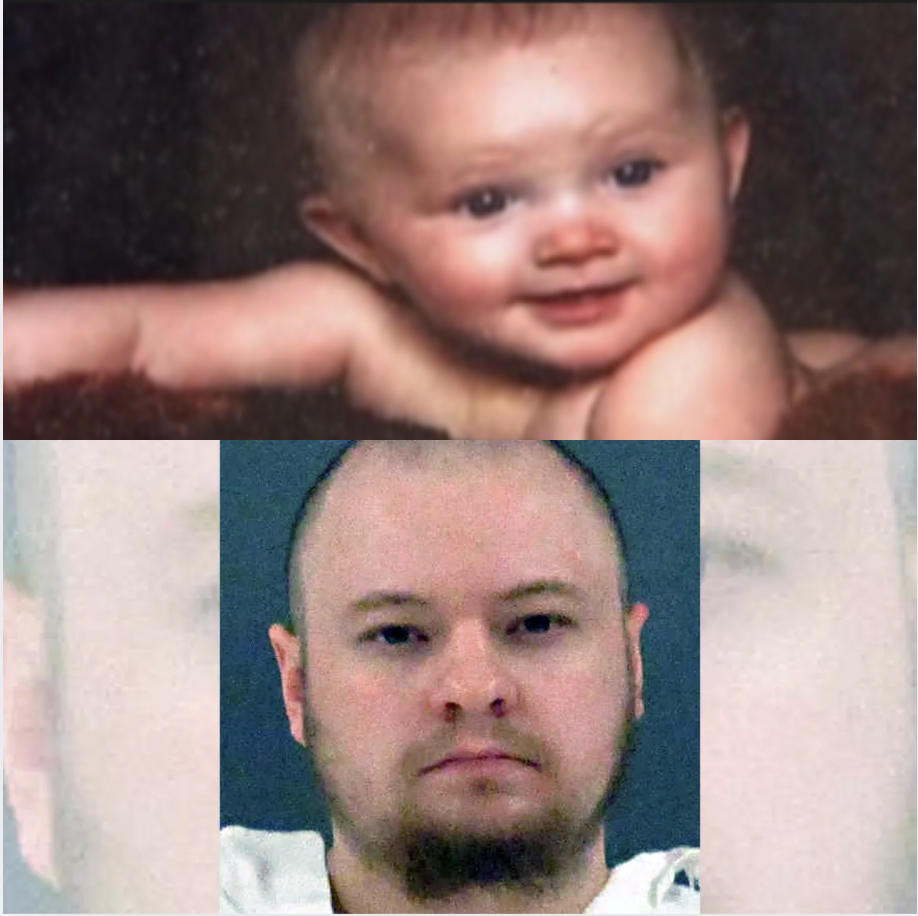
TEXAS EXECUTION CLOSES LONG-RUNNING CHILD MURDER CASE
Final Moments Draw Renewed Attention to Justice, Responsibility, and Loss
A man convicted in the killing of a young child was executed in Texas in September 2025, bringing a formal end to a case that had troubled a local community for nearly two decades.
The execution, carried out by lethal injection at a state facility in Huntsville, marked one of several carried out in the state this year. Officials confirmed the inmate had been on death row for years following a conviction tied to the death of a 13-month-old child.
⚖️ A CASE THAT SHOCKED A COMMUNITY
The crime, which involved prolonged abuse of a toddler, left a lasting impact on both investigators and residents. Court records described severe injuries that prosecutors argued were consistent with sustained harm over an extended period.
At trial, the prosecution emphasized the scale and nature of the child’s injuries, while the defense raised concerns about mental capacity and the reliability of certain forensic conclusions.
Ultimately, the jury found the defendant guilty and imposed the death penalty.
🧑⚖️ YEARS OF APPEALS AND LEGAL CHALLENGES
In the years that followed, defense attorneys pursued multiple appeals, arguing that the execution should not proceed due to questions surrounding intellectual disability and evidentiary standards.
Courts reviewed those claims but declined to overturn the conviction or sentence.
Legal experts note that such appeals are common in capital cases, reflecting the high stakes involved when the death penalty is imposed.
🕊️ FINAL MOMENTS
Witnesses to the execution reported that the inmate made brief religious remarks in his final moments. According to official accounts, no statement directly addressing the victim or the victim’s family was given.
Executions in Texas follow a standardized protocol, and the procedure was carried out without reported complications.
👥 MULTIPLE DEFENDANTS, DIFFERENT OUTCOMES
The case also involved another adult connected to the child, who was charged and later convicted. During that trial, defense attorneys argued that this individual had been influenced or controlled, while prosecutors maintained that there was a failure to act to protect the child.
A jury ultimately returned a guilty verdict, resulting in a life sentence without the possibility of parole.
The differing outcomes in the two cases have continued to draw attention to questions of responsibility, influence, and accountability.
🧠 BROADER QUESTIONS RAISED
Beyond the courtroom, the case has prompted ongoing discussion about:
- The effectiveness of child protection systems
- The role of mental health in criminal responsibility
- The application of the death penalty in severe cases
Advocates on different sides of the issue point to the case as an example of both the justice system’s response to extreme violence and the complexities involved in reaching those outcomes.
📌 A LASTING IMPACT
While the execution marks a legal conclusion, the emotional and social impact remains.
For the community, the case continues to serve as a painful reminder of vulnerability, responsibility, and the consequences of inaction.
For legal observers, it underscores the enduring debates surrounding capital punishment and the balance between justice and due process.