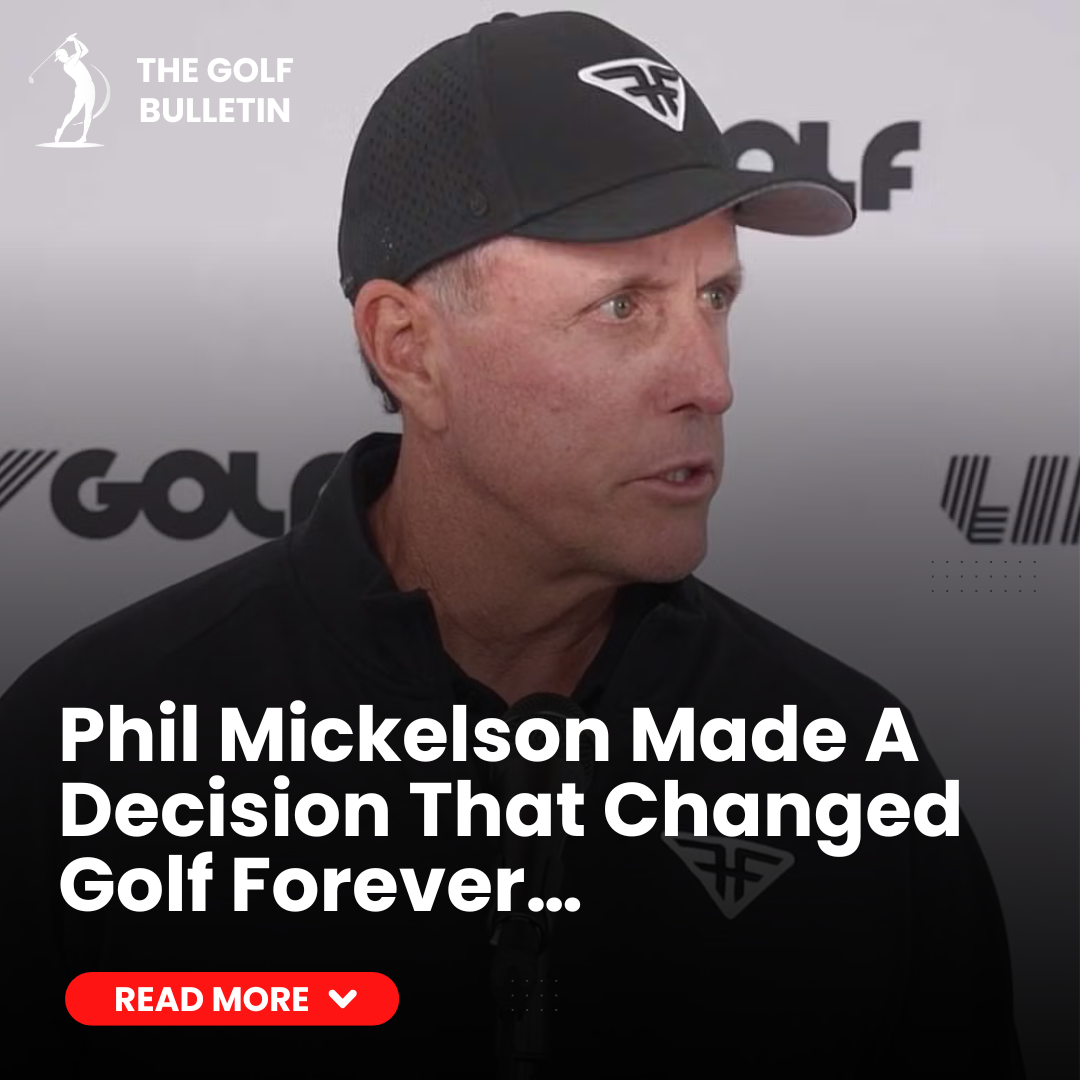
Phil Mickelson Had It All… Then One Controversial Choice Changed The Way Fans Saw Him
He spent decades building one of golf’s greatest careers. But after a move that divided the sport, the legend found himself at the center of a debate he never faced before that.

Phil Mickelson, affectionately known as “Lefty,” was once the darling of the golf world. With six major championships, 45 PGA Tour victories, and a charismatic personality that made him a fan favorite for decades, Mickelson embodied the joy and creativity of the game. His flair for the dramatic — the daring flop shots, the come-from-behind victories, and his relatable everyman struggles — endeared him to millions. Yet, in 2022, one decision thrust him into a firestorm that altered public perception, sponsorships, and his place in golf history.
A Storied Career Built on Resilience and Flair
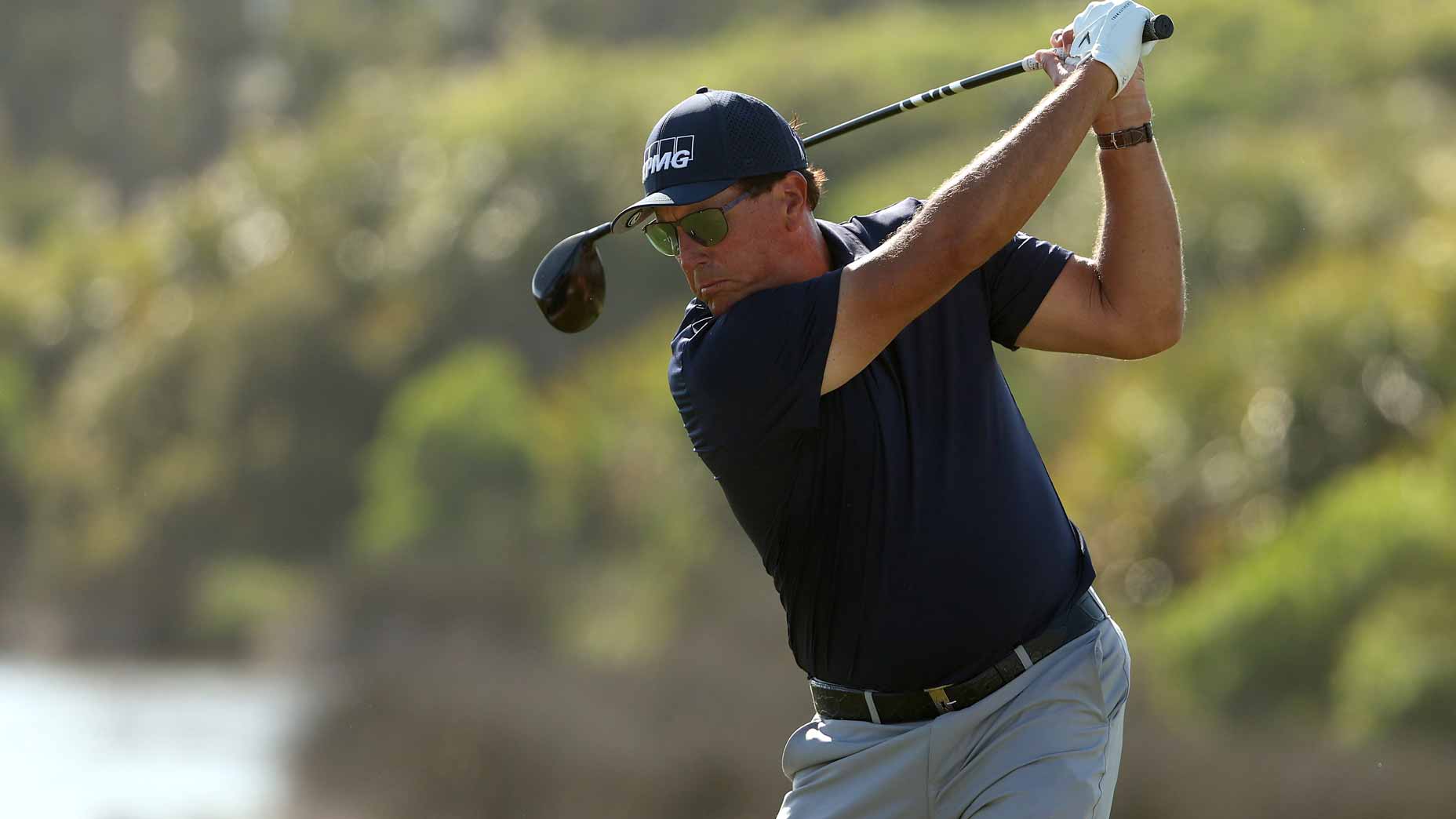
Mickelson’s journey to golf immortality was anything but conventional. Born in 1970, he turned professional in 1992 and quickly established himself as a force with his left-handed swing and aggressive style. Unlike many of his peers, Mickelson was known for taking risks — sometimes costly, often spectacular.
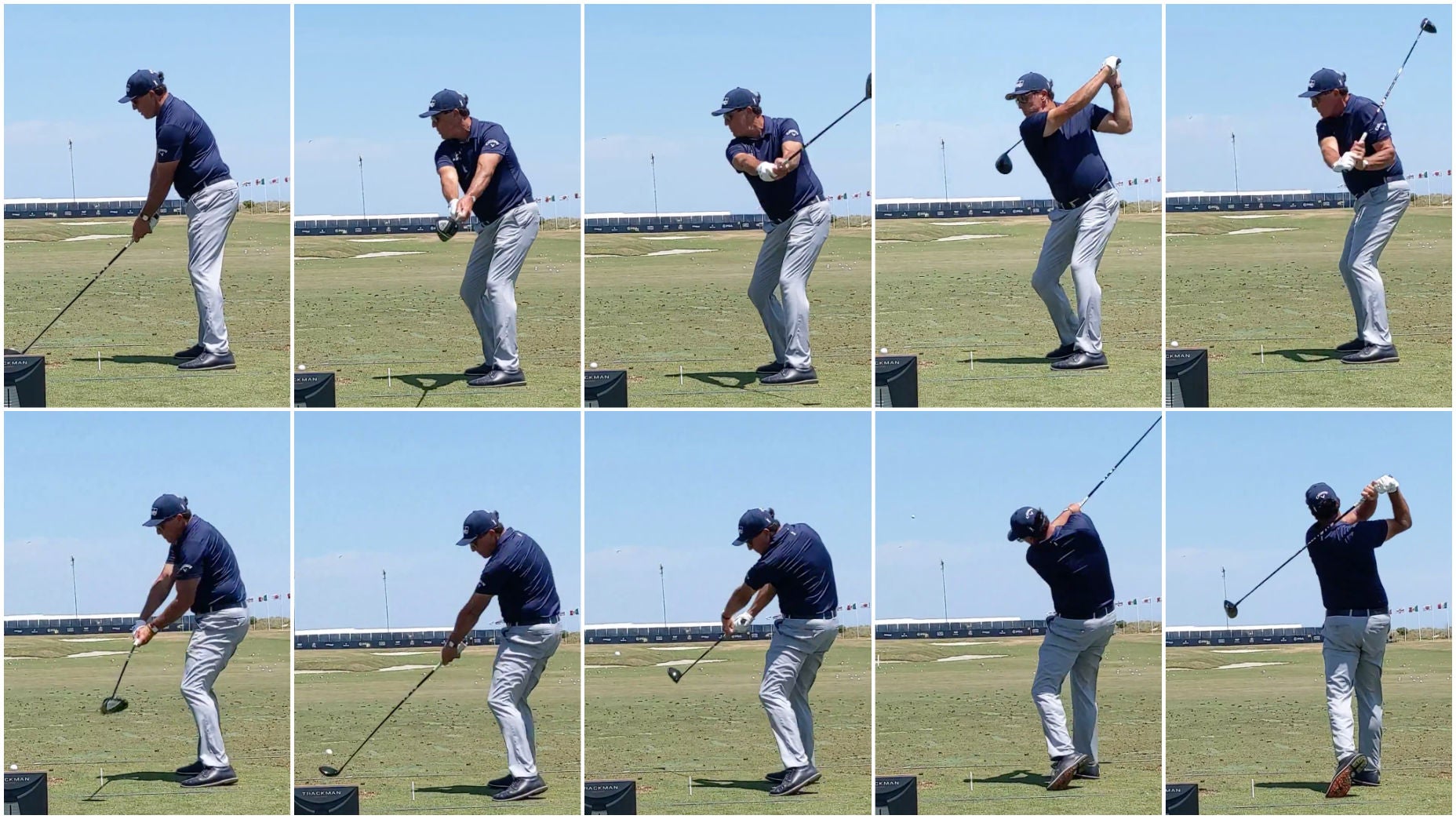
His major breakthrough came at the 2004 Masters, where he finally claimed his first green jacket after years of near-misses. This victory was followed by additional Masters titles in 2006 and 2010, a PGA Championship in 2005 and 2021, and an Open Championship in 2013. The 2021 PGA Championship win at Kiawah Island, at age 50, made him the oldest major champion in history and cemented his legacy as one of the game’s all-time greats.
Beyond the majors, Mickelson’s 45 PGA Tour wins placed him among the elite. He was a perennial Ryder Cup contributor, a fan magnet, and a marketing powerhouse with lucrative sponsorships from brands like KPMG, Callaway, and Amstel Light. His rivalry with Tiger Woods pushed both men to greater heights and captivated audiences worldwide.

For years, Mickelson represented the best of professional golf: talent, showmanship, and perseverance. He overcame personal challenges, including his wife Amy’s battle with breast cancer, with grace and openness that further strengthened his bond with fans.
The LIV Golf Bombshell
Everything shifted in early 2022. As rumors swirled about a new Saudi-backed golf league called LIV Golf, Mickelson emerged as one of its most prominent advocates and eventual recruits. The league promised massive guaranteed payouts, team formats, and fewer events — a stark contrast to the grind of the traditional PGA Tour schedule.
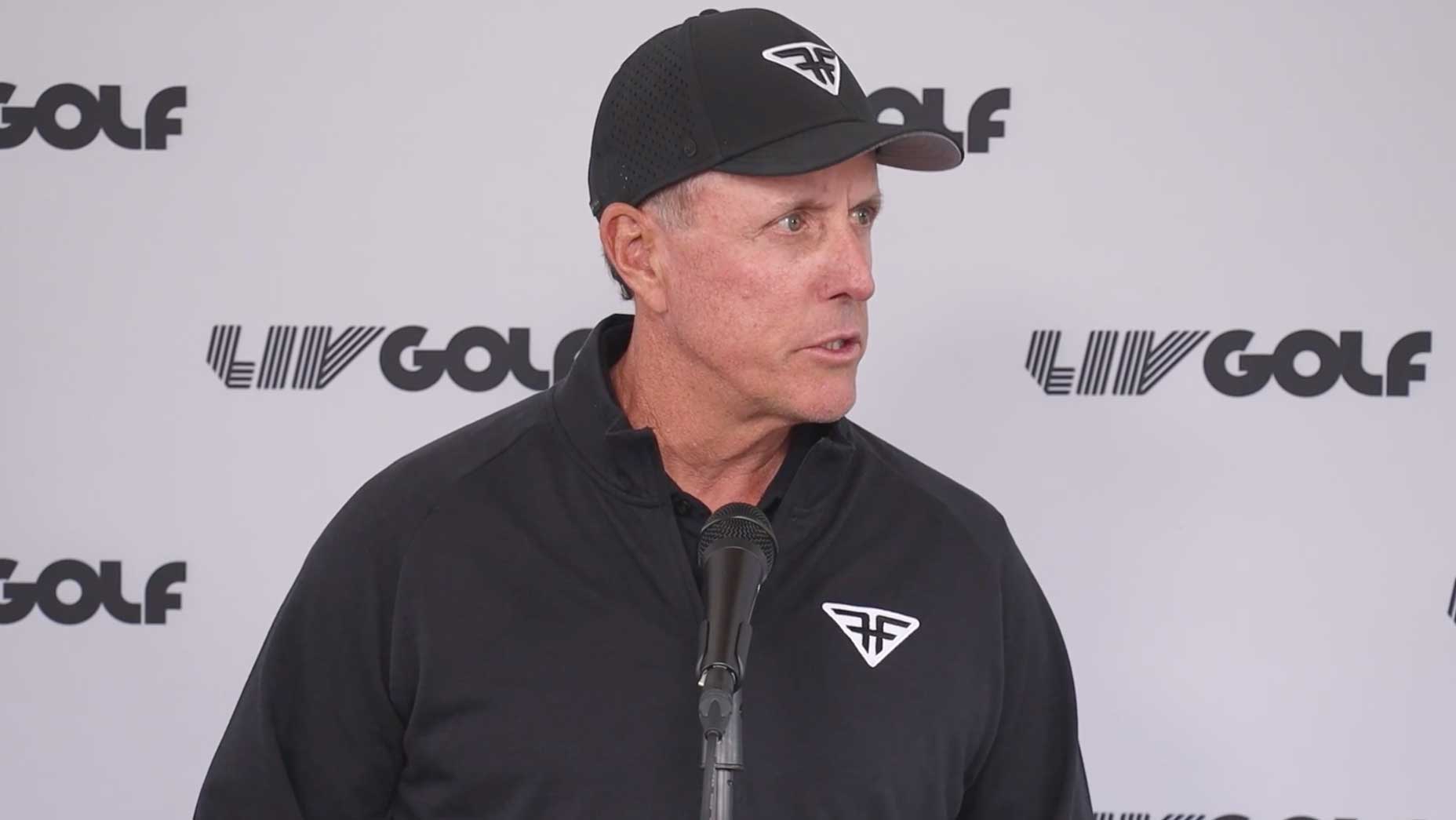
Mickelson’s involvement became explosive when comments he made to journalist Alan Shipnuck were published. In the interview, he acknowledged the Saudi regime’s troubling human rights record — referencing the killing of Jamal Khashoggi and other issues — yet described the opportunity as a “once-in-a-lifetime” chance to reshape the PGA Tour’s power structure. He called the Saudis “scary motherfuckers” but saw strategic value in partnering with them.
The backlash was swift and severe. Sponsors dropped him. Fans who had cheered his every shot felt betrayed. The PGA Tour suspended him (along with other defectors). Mickelson stepped away from the spotlight temporarily, issuing apologies and later resurfacing at LIV’s inaugural event.
His move wasn’t just about money, though the reported nine-figure deal was life-changing. Mickelson had long voiced frustrations with the PGA Tour’s monopoly, lack of player equity, and outdated structures. He saw LIV as a catalyst for change — and in some ways, it was. The threat of LIV prompted the PGA Tour to dramatically increase purses, introduce no-cut signature events, and eventually pursue a framework agreement with the Saudi Public Investment Fund.
The Human and Financial Toll
The controversy took a visible toll. Mickelson lost key endorsements and faced questions about his legacy. For a player who had spent 30 years as a PGA Tour member, the break was profound. He captained the HyFlyers GC team in LIV Golf, embracing the team concept and mentoring younger players, but his appearances in traditional majors became limited and scrutinized.
Critics argued that aligning with a league funded by a regime with a poor human rights record compromised his principles. Supporters pointed to the hypocrisy in golf and other sports that had long accepted sponsorships from countries with questionable records. The debate highlighted deeper tensions: player empowerment versus tradition, sportswashing concerns, and the evolving economics of professional athletics.
Mickelson himself has reflected on the decision’s impact. He has expressed no regrets about joining LIV but acknowledged the personal and reputational costs. In interviews, he has emphasized his desire to grow the game and provide opportunities for future generations.
Legacy: Forever Divided?
Phil Mickelson’s place in golf history is complex. On the course, his accomplishments are undeniable — six majors, Hall of Fame induction, and a playing style that inspired countless amateurs. He remains one of only a handful of players to have won majors on all three major tours (PGA, European, and Champions).
Off the course, the LIV chapter has polarized opinions. Some fans separate the player from the person, celebrating his on-course brilliance while disagreeing with his choices. Others feel the move irrevocably tarnished a legacy built on relatability and integrity.
Golf has seen similar reckonings before — with figures like Arnold Palmer and Jack Nicklaus navigating the sport’s commercialization. But few faced the intensity of scrutiny Mickelson encountered in the social media age.
As LIV Golf continues and potential mergers or frameworks with the PGA Tour evolve, Mickelson’s role as a disruptor may ultimately be viewed through a different lens. He helped accelerate changes that benefited players financially, even if the methods remain contentious.
Lessons from Lefty’s Journey
Mickelson’s story offers several takeaways:
- The Price of Disruption: Challenging entrenched systems often comes at great personal cost. Mickelson’s willingness to endure backlash highlighted the courage — or recklessness, depending on perspective — required to push boundaries.
- Legacy Is Multifaceted: Athletic achievements endure, but public perception is shaped by character and choices. Mickelson’s career reminds us that heroes are human.
- The Power of Perspective: Despite the controversies, Mickelson has continued competing, focusing on family, and finding purpose in mentoring. His 2021 PGA win proved that age and adversity need not define limits.
For aspiring golfers and fans, Mickelson’s flair on the course remains instructional. His short game wizardry, mental resilience, and joy in the game are timeless.
Looking Forward
At over 50 years old, Mickelson’s competitive future may lean more toward exhibition events, team play in LIV, and occasional major appearances. His influence, however, extends beyond scores. He has sparked necessary conversations about player rights, tour structures, and the globalization of golf.
Whether history ultimately forgives or frames his LIV decision as a pivotal misstep, one thing is clear: Phil Mickelson lived his career on his terms — bold, unapologetic, and full of heart. The man who once had it all discovered that maintaining universal admiration is perhaps the hardest shot in golf.
In the end, Lefty’s legacy will be remembered not just for what he won, but for how he navigated the most divisive chapter in modern golf history. The debate he ignited continues, ensuring that Phil Mickelson remains one of the sport’s most compelling and complicated figures.