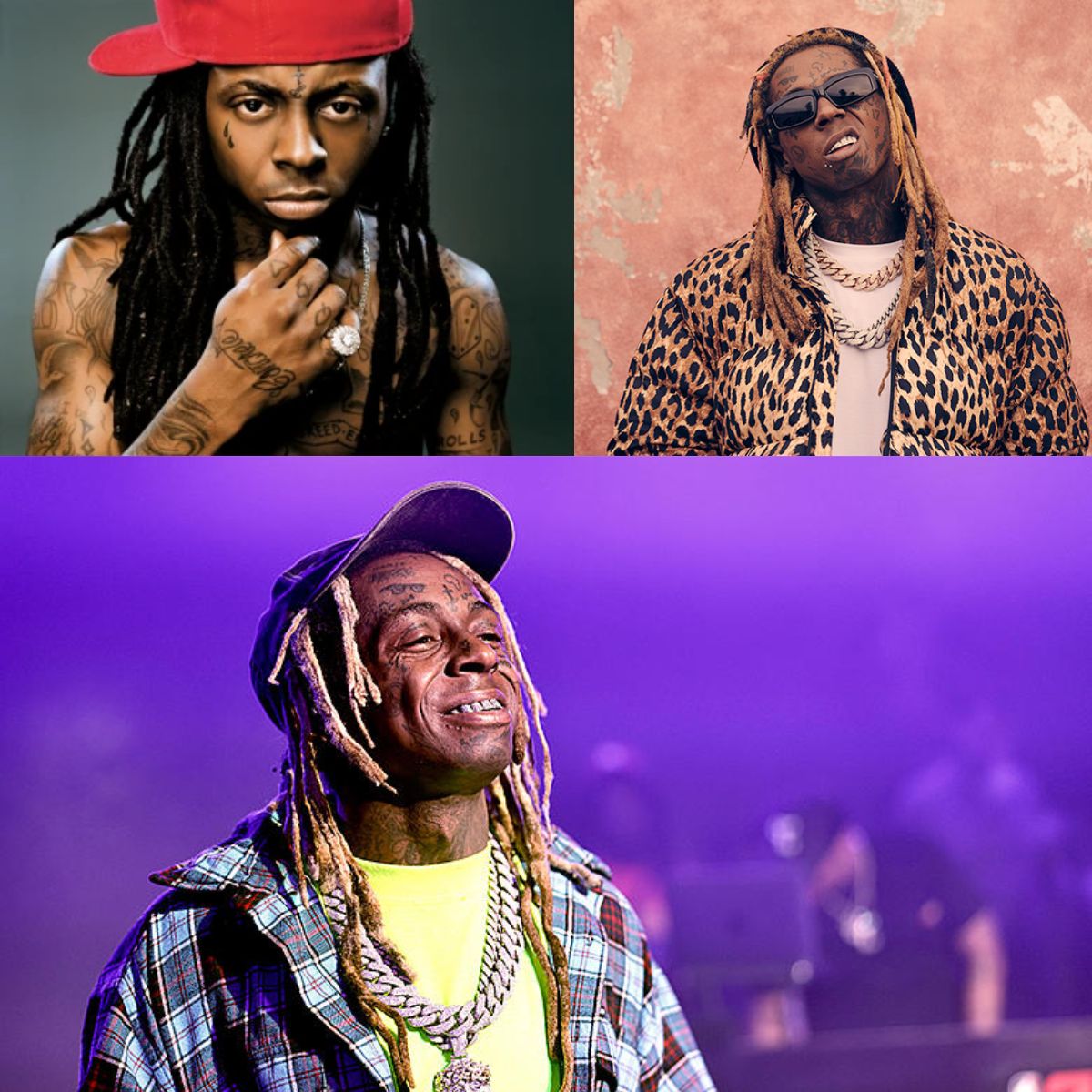
“I’M STILL BETTER.” — And he meant every word. Lil Wayne just took direct aim at the future of music… and didn’t hesitate for a second.
In a candid, confidence-dripping interview on the Not Just Football podcast with NFL star Cam Heyward and co-host Hayden Walsh, the 43-year-old New Orleans legend (real name Dwayne Michael Carter Jr.) addressed the growing buzz around AI-generated music head-on. And his verdict? Unapologetically bold: “I’m still better.”
Tunechi didn’t mince words. When the conversation turned to the rise of AI tools that can spit bars, mimic flows, and even craft entire verses in an artist’s style, Wayne leaned into the challenge with trademark swagger.
“It’s a challenge,” he said during the March 18, 2026 episode. “I love that AI is what it is. ‘Cause, man, I love to be able to stand right next to whoever AI is—he, she, whatever AI is—stand right next to them and say, ‘I’m still better.'”
The room erupted in laughter, but Wayne wasn’t joking. He revealed that his friends had been “a little worried” about the tech wave, warning him that anyone could simply prompt an AI: “Give me a verse like Lil Wayne.” So, ever the curious innovator, Wayne decided to put it to the test himself—multiple times, on multiple devices.
“And so, I did it,” he recounted with a grin. “‘Let me hear a verse like Lil Wayne.’ It gave me its best shot. I did it on a couple devices… They all… You suck. So, we gon be OK.”
The blunt dismissal—”You suck”—drew cheers from Heyward and Walsh. When the host pointed out that no computer could ever truly replicate the real Weezy, Wayne doubled down: “No, not at all.”
It’s a statement that resonates far beyond bravado. In an era where AI is already churning out Drake-like tracks, Kendrick-esque disses, and even full songs that fool casual listeners, Wayne’s words carry the weight of a man who’s spent three decades redefining hip-hop. From his teenage debut on Tha Block Is Hot to mixtape classics like Dedication and No Ceilings, to blockbuster albums such as Tha Carter III (which went triple platinum), Wayne’s influence is etched into the DNA of modern rap. His multisyllabic rhymes, unpredictable wordplay, metaphors that twist like serpents, and that unmistakable rasp—it’s all human, all lived experience, all impossible to code.
A touching reminder of the human spark
Behind the cocky confidence lies something deeper: a quiet defense of artistry born from pain, hustle, and heart. Wayne has spoken openly about his battles—with addiction, legal troubles, near-death experiences (including a infamous 2012 seizure from codeine syrup), and the relentless grind that started when he was signed at just 11 years old by Birdman and Cash Money Records.
In the podcast, he reflected on those early days: getting signed young, recording in makeshift studios, surviving the streets of Hollygrove. Those stories aren’t data points—they’re scars, triumphs, and raw emotion that fuel every bar he spits.
One particularly moving moment came when Wayne talked about legacy. He didn’t just dismiss AI as inferior; he celebrated the irreplaceable magic of real creation. Fans online have latched onto that sentiment, sharing heartfelt tributes: “Wayne survived real s**t—no algorithm can touch that fire.” “He’s not just rapping; he’s bleeding on the track. AI can’t bleed.”
Even in the face of tech that could theoretically flood the market with “Lil Wayne-style” verses, Wayne sees opportunity rather than threat. “I love that AI is what it is,” he repeated—almost like he’s welcoming the competition, knowing it’ll only highlight his superiority.
The broader battle: Artists vs. machines
Wayne’s comments arrive amid heated debates in the music industry. Drake and The Weeknd have seen unauthorized AI tracks go viral (and even chart in some cases). Unions like SAG-AFTRA and the Recording Academy are pushing for protections against unauthorized voice cloning. Some artists embrace AI as a tool for production or inspiration; others fear it devalues human creativity.
But Wayne? He’s unfazed. In fact, he urged aspiring rappers worried about replacement to do one thing: get better. Hone the craft. Push boundaries. Make something only you can make.
His own track record backs it up. Wayne has never stopped evolving—from skateboarding anthems to rock-infused experiments (Rebirth), to surprise features that steal the show (his 2025 verses on tracks with rising stars like Sexyy Red and GloRilla). At 43, he’s still dropping heat, touring arenas, and mentoring the next generation through Young Money.
Fan love pours in
The interview clip exploded across social media. On Instagram, XXL’s post racked up millions of views, with comments flooding in: “GOAT energy 😂 ‘They all suck’ is cold.” “Wayne tested AI and it failed the vibe check.” “This man been the blueprint since ’98—no bot touching that.”
Others shared personal stories: fans recalling how Tha Carter soundtracked their teenage rebellions, how “A Milli” became anthems at parties, how Wayne’s vulnerability on tracks like “I Feel Like Dying” helped them through dark times. One viral comment read: “AI can copy the flow, but it can’t copy the soul. Wayne’s soul is unbreakable.”
In a touching nod to his influence, younger artists jumped in. Kendrick Lamar retweeted the clip with a simple crown emoji. Nicki Minaj (his longtime Young Money sister) posted: “That’s why they call him the Best Rapper Alive 💯 AI who?”
Looking ahead: Wayne’s unbreakable legacy
As AI advances—voice models get eerily accurate, lyrics generate in seconds—Wayne’s stance serves as both inspiration and warning. Technology can mimic, but it can’t feel the pain of losing friends to violence, the rush of fatherhood (he has four children, including Reginae Carter), or the fire of proving doubters wrong.
In the podcast’s closing moments, Wayne circled back to sports analogies—fitting for a football-focused show. He compared himself to the greats who adapt but never lose their edge. “I’m still better,” he said one last time, laughing. But the message was clear: real artistry isn’t replaceable. It’s eternal.
Lil Wayne isn’t just insisting he can’t be replaced—he’s proving it, one unmatched verse at a time. In a world racing toward machines, Tunechi reminds us why the human touch will always win.
So, AI? Step up if you dare. But as Weezy himself put it: “We gon be OK.”
Because some legends? They’re built different. And no algorithm can touch that.