
Netflix’s ‘Remarkably Bright Creatures’ Delivers a Quietly Devastating Emotional Journey
Netflix has quietly released one of its most heartfelt dramas of the year, and audiences are calling it a slow-burning masterpiece that lingers long after the credits roll. Based on Shelby Van Pelt’s bestselling novel, Remarkably Bright Creatures unfolds in a serene Pacific Northwest coastal town, where the rhythms of the sea mirror the ebb and flow of human grief, secrets, and unexpected redemption.
At its core is Tova Sullivan (Sally Field), a widowed aquarium cleaner still grappling with the profound loss of her son years earlier. Field delivers a nuanced, deeply affecting performance as a woman who has withdrawn into solitude, finding more comfort in the quiet predictability of her nightly cleaning shifts than in the well-meaning but intrusive gestures of those around her. Her world is one of routine and restrained emotion—until an unlikely connection changes everything.

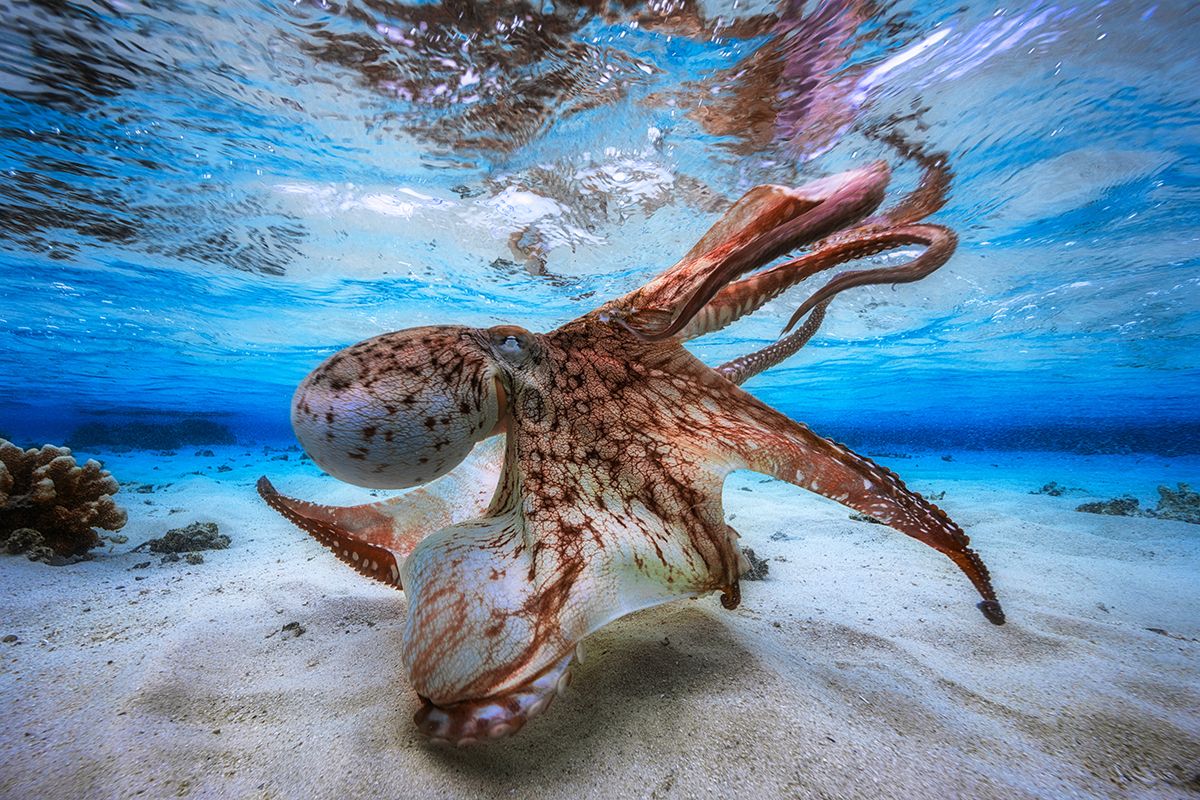
Enter Marcellus, a remarkably perceptive giant Pacific octopus with a personality as sharp as his tentacles. Voiced by Alfred Molina, Marcellus becomes far more than a side character; he serves as a witty, observant narrator and a bridge across emotional divides. Through subtle, almost meditative interactions, the film explores themes of intelligence, captivity, and the search for understanding in a world that often feels isolating. The bond between Tova and Marcellus is tender, humorous, and profoundly moving—highlighting how connection can emerge in the most unexpected forms.

As the story deepens, Cameron (Lewis Pullman), a directionless musician in his thirties, arrives in town seeking answers about his own past. Pullman brings a layered vulnerability to the role, portraying a man adrift yet full of quiet potential. His path intersects with Tova’s in ways that force both characters to confront buried truths, family mysteries, and the possibility of healing. Together, these unlikely companions navigate loss, forgiveness, and the fragile process of moving forward.

Directed by Olivia Newman, the film masterfully balances gentle pacing with emotional intensity. It doesn’t rely on dramatic confrontations or sweeping scores to evoke feeling. Instead, it builds power through intimate moments: the soft glow of aquarium tanks at night, the rhythmic crash of waves against the shore, and the silent companionship that speaks volumes. Early reviews praise its tender yet haunting quality, describing it as “quietly devastating in the best possible way.”
Viewers have been particularly struck by how the story reshapes perceptions of grief and resilience. What starts as a meditative character study evolves into a powerful meditation on the interconnectedness of life—human and otherwise. The octopus’s perspective adds a layer of whimsy and wisdom, reminding us that intelligence and empathy exist beyond our assumptions.
With its stunning coastal visuals, standout performances, and emotionally resonant narrative, Remarkably Bright Creatures stands out as one of Netflix’s most compelling original films of 2026. It doesn’t shout for attention; it draws you in softly, then holds you with a grip that’s hard to shake. For anyone seeking a story that explores the depths of loss while offering glimmers of hope and wonder, this is essential viewing.
In a streaming landscape often dominated by high-stakes thrillers and flashy blockbusters, this understated gem proves that the most powerful stories are sometimes the ones that unfold quietly, one tentacle at a time. Netflix viewers seem convinced it’s a hidden treasure worth discovering.