Financial Disputes and Insurance – “Kill for Money”? The Tragic Case of the Tshuma Family
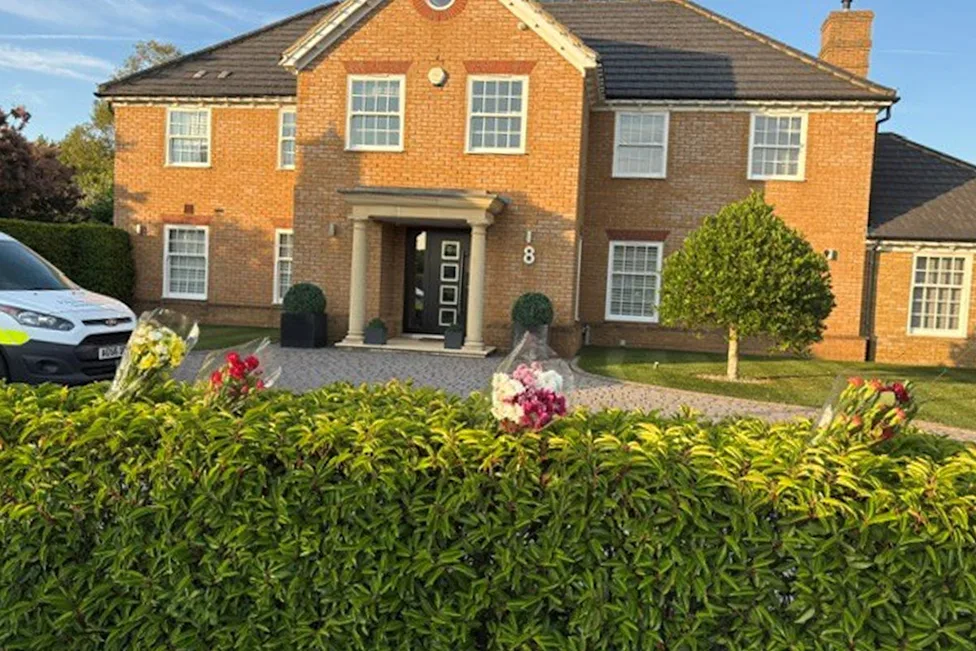
In the quiet suburban neighbourhood of Great Denham, Bedfordshire, a devastating tragedy has unfolded that has shocked the United Kingdom and drawn international attention. On 6 July 2026, police forced entry into a £1.3 million family home on Carnoustie Drive after concerns were raised that the residents had not been seen for several days. Inside, officers discovered the bodies of Nothabo Zandile Tshuma, 42, and her two daughters, Natalie, 15, and Nala, 5.

The sole suspect in what police are treating as a triple murder is Ndodana Mkhanyisi Tshuma, 45, the husband and father, a British citizen of Zimbabwean heritage. He has since been arrested in South Africa following a swift international manhunt.
According to investigators and public records, questions are now swirling around possible financial motives behind the alleged killings. Zandile Tshuma, known professionally as an associate director at the London-based Forensic Risk Alliance (FRA), specialised in fraud detection, anti-money laundering, and regulatory compliance. She worked with high-profile international clients in sectors including financial services, manufacturing, aerospace, and oil & gas. Colleagues described her as a dedicated professional and a gracious mother.

Public records and corporate filings have shed light on the family’s financial situation. Reports indicate that Ndodana Mkhanyisi Tshuma faced significant financial pressures. One company associated with him reportedly showed an unsecured, interest-free loan balance of £259,250, alongside substantial liabilities exceeding £700,000 on the balance sheet. His wife, by contrast, maintained a stable and successful career at FRA.

Speculation has intensified over whether large life insurance policies were in place on the victims. While police have not publicly confirmed details of any insurance claims or financial disputes, the possibility of a calculated “perfect plan” to eliminate debts by targeting the family has been raised by observers and media commentators. Tshuma’s rapid departure from the UK just days before the bodies were discovered has only fuelled suspicions that this was no impulsive act but something premeditated.
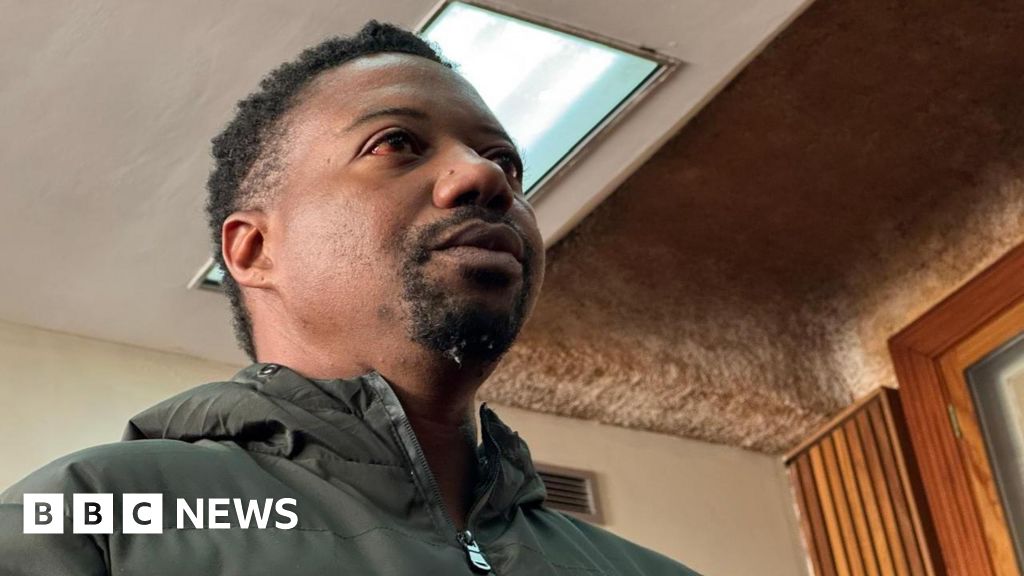
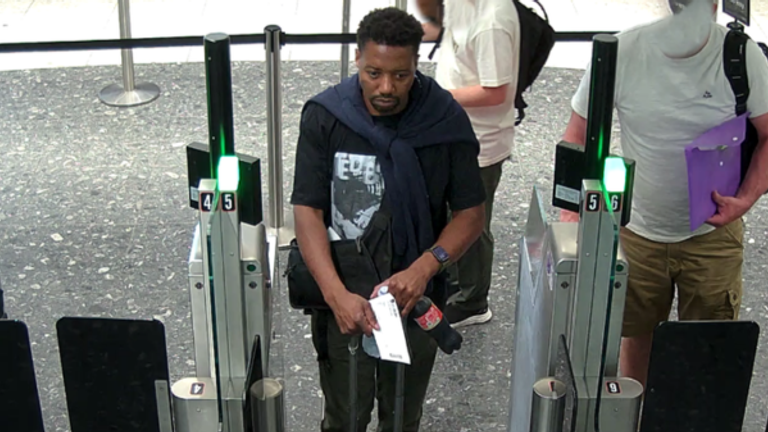
CCTV footage captured Tshuma at London’s Heathrow Airport on or around 4 July, boarding a flight that took him via Dubai toward southern Africa. He was initially believed to have headed to Zimbabwe before moving to Johannesburg. South African police, working with Interpol, arrested him in a Johannesburg suburb on 10 or 11 July. He appeared in a Johannesburg magistrate’s court, where he faced charges related to illegal possession of a firearm — reportedly purchased with possible intent to harm himself. UK authorities have authorised murder charges and submitted an extradition request. His next court appearance is scheduled for 22 July.
The family home, once a symbol of stability in an affluent area, became the site of an intensive police investigation, with forensic teams and officers present for days. Tributes have poured in for Zandile and her daughters, remembered as a loving family. Neighbours and friends expressed disbelief and profound sadness at the loss of such vibrant lives.
As the extradition process unfolds, the case raises broader questions about domestic violence, financial stress within seemingly successful households, and the challenges of international fugitive tracking. Bedfordshire Police and the Crown Prosecution Service continue their work, urging anyone with information to come forward.
While the full circumstances remain under investigation, the deaths of Zandile, Natalie, and Nala have left a community in mourning and highlighted the hidden struggles that can lurk behind closed doors. Police have emphasised that they are keeping an open mind on motives but have not ruled out financial factors. The world watches as justice is sought for a family whose lives were cut tragically short.