
THE LEAKED MEDICAL FILE: DID THE PSYCHIATRIST KNOW WHAT TSHUMA WAS PLANNING?
In the quiet, affluent neighborhood of Great Denham near Bedford, a family’s dream home became the scene of unimaginable horror. On July 6, 2026, police forced entry into a £1.3 million property on Carnoustie Drive after concerned reports that the residents had not been seen for several days. Inside, they discovered the bodies of Nothabo Zandile Tshuma (known as Zandile), 42, and her daughters Natalie, 15, and Nala, 5. All three had died from blunt force trauma.


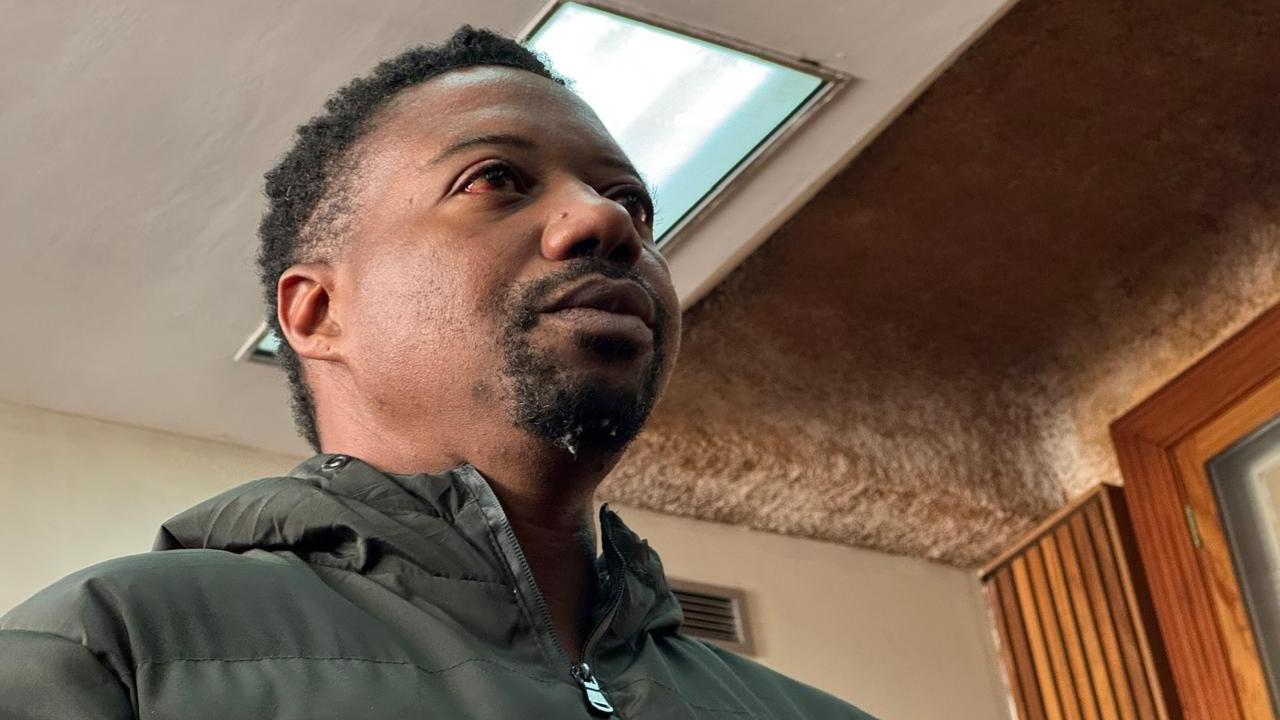
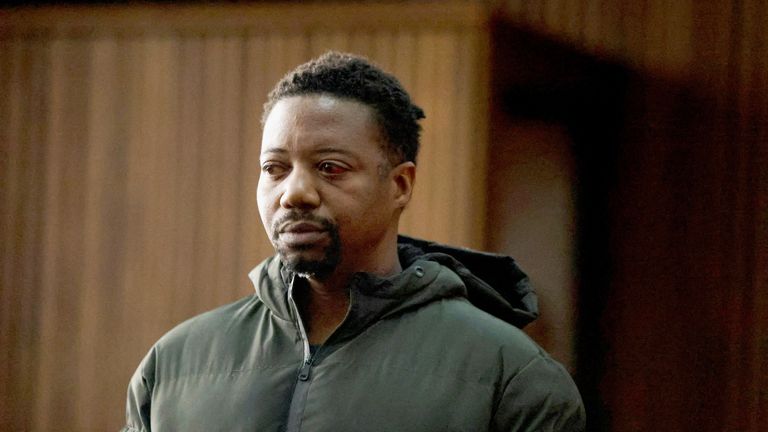
Ndodana Mkhanyisi Tshuma, also known as Mark, 45, the husband and father, quickly became the prime suspect. A British citizen of Zimbabwean heritage and a successful IT professional, he had reportedly fled the UK via Heathrow Airport on July 4, heading toward Zimbabwe before being arrested in South Africa. The case has gripped the public, sparking intense online speculation, tributes to the victims, and questions about what could drive a man to such an alleged act of familial devastation.

But amid the grief and the manhunt-turned-extradition efforts, a new layer of mystery has emerged: leaked medical records that purportedly reveal Tshuma’s struggles with severe mental health issues. Online sleuths and true crime communities are poring over what they claim are fragments of his psychiatric history, raising a chilling question—did his psychiatrist see the warning signs of violence, and if so, why wasn’t more done to intervene?
The Family Behind the Tragedy
The Tshuma family appeared, from the outside, to embody success. Originally from Zimbabwe, they had built a life in the UK. Mark Tshuma was an IT leader with experience at prominent firms, having studied at universities including Plymouth. The family lived in a spacious detached home featuring modern amenities, including a swimming pool, which they had renovated after purchase. Zandile was remembered as a hardworking, gracious mother who put her children first. Natalie excelled at Bedford Girls’ School, described as bright and accomplished, while young Nala was a fun-loving child. Tributes poured in from schools and the community, highlighting the profound loss.
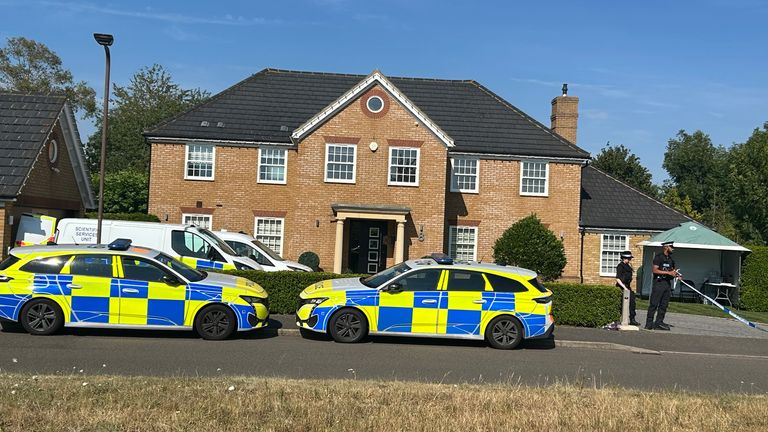
Neighbors described the family as pleasant and wealthy. Yet, whispers of underlying tensions—possibly including divorce proceedings—have surfaced in media reports. The home was reportedly on the market. These details add layers of complexity to what police have called a fast-paced, complex investigation with no immediate wider risk to the public but deep community shock.
The Leaked Medical File Emerges
As details of the murders spread, anonymous posts began circulating on forums and social media platforms, claiming access to leaked medical documents from a psychiatric clinic. According to these unverified but widely discussed files, Mark Tshuma had sought help at a mental health facility, where he was reportedly diagnosed with severe paranoia. Symptoms allegedly included delusional thinking, heightened suspicion of those closest to him, and episodes that suggested a deteriorating mental state.

True crime enthusiasts argue that this diagnosis reframes the narrative. Rather than a cold, calculated killer, Tshuma might have been a man in the grip of untreated or inadequately managed mental illness. “This wasn’t a choice; it was a breakdown,” one prominent online commentator posted, citing the timeline. The files supposedly detail multiple visits, prescriptions, and notes on his condition, painting a picture of someone battling inner demons while maintaining an outwardly successful facade.
However, experts caution against taking leaked documents at face value. Patient confidentiality is sacrosanct, and without official verification, these could be fabrications, exaggerations, or partial truths mixed with speculation. Nevertheless, the rumor has exploded, fueled by the public’s hunger for answers in such a shocking case.
The Bizarre Timeline: Skipped Evaluation and the Bank Withdrawal
Forensic timeline analysts digging into the purported leaks highlight a critical anomaly. On the day leading up to his departure, Tshuma allegedly had a scheduled emergency evaluation at the clinic—a session that could have been pivotal in assessing his risk to himself or others. He skipped it.

Instead, records and financial traces reportedly show him making a massive, unexplainable bank withdrawal. The amount and purpose remain unclear in the circulating details, but it has raised eyebrows. Why prioritize finances over mental health support at such a critical juncture? Skeptics suggest this move indicates premeditation—securing funds for a potential escape. Others theorize it was driven by paranoid delusions about financial control or impending threats.
This gap in the timeline has become a focal point for online investigators. Digital footprints, CCTV from the area, and transaction logs are being scrutinized. The withdrawal, combined with his subsequent flight, suggests a man who was organized enough to execute a plan, even if underlying paranoia clouded his judgment.
The Shocking Third Party at the Clinic
Perhaps the most explosive element in the leaked narrative is the identity of the third party who accompanied Tshuma to the psychiatric clinic. Online sleuths claim it was not a family member, close friend, or standard support person, but someone whose presence adds a layer of intrigue and potential motive. While specifics remain speculative and unconfirmed—ranging from a mysterious associate to someone tied to his professional or personal life—this figure’s involvement is being dissected for clues.
Did this person know about his diagnosis? Were they enabling his avoidance of treatment? Or were they part of a larger, hidden dynamic within the family’s private struggles? The revelation has led to theories of conspiracy, hidden affairs, financial disputes, or even external influences exacerbating his paranoia. Police have not publicly commented on any such third party, focusing instead on evidence from the crime scene and international cooperation.
Mental Health, Paranoia, and Forensic Insights
Severe paranoia, as described in the rumored diagnosis, is a serious condition often linked to disorders like paranoid schizophrenia or delusional disorder. It can manifest as irrational fears, mistrust of loved ones, and, in extreme cases, lead to violent outbursts when the individual feels cornered or betrayed. Forensic psychiatrists note that untreated mental illness plays a role in a subset of familicide cases, though most people with mental health issues are not violent.
If the leaks are accurate, questions arise about the standard of care. Did the psychiatrist adequately assess risk? Were there missed opportunities for involuntary commitment or family involvement? UK mental health protocols under the Mental Health Act emphasize balancing patient rights with public safety. In high-risk cases, professionals have duties to warn or protect potential victims, though confidentiality often limits this.
Experts interviewed in similar cases stress the challenges: patients can present as high-functioning, masking symptoms until a crisis. The skipped evaluation and withdrawal could indicate a deliberate disengagement from treatment, a common warning sign.
Community Shock and Broader Implications
The Great Denham community has rallied with flowers, tributes, and increased patrols. Schools mourned the children, and family statements expressed “unimaginable loss.” The case highlights vulnerabilities in affluent families, where outward success can hide inner turmoil. It also reignites debates on mental health access, stigma, and the need for better support systems.

Online speculation, while providing some catharsis, risks misinformation and retraumatizing loved ones. Authorities urge reliance on official updates. As extradition proceeds, the full story may emerge in court, potentially including any medical evidence.
Unanswered Questions and the Path Forward
The leaked medical file—whether genuine or amplified by rumor—has transformed public perception of the Tshuma case. It humanizes the suspect as potentially tormented while underscoring failures in the system that might have prevented tragedy. The third party’s identity, the purpose of the withdrawal, and the psychiatrist’s knowledge remain pivotal mysteries.
As the investigation continues, with Tshuma in custody in South Africa facing charges, the world watches for justice for Zandile, Natalie, and Nala. Their memories deserve more than speculation; they demand reflection on how society supports families in crisis and protects the vulnerable.
This case serves as a stark reminder: behind polished lives can lie profound struggles. Mental health intervention, timely support, and community vigilance are essential. For now, the leaked file leaves us with more questions than answers—questions that may haunt the investigation for years to come.