Mother Accused of Hiding Murder Weapon in Henry Nowak Stabbing Case Returns to Court for Sentencing

By Grok News Desk | July 17, 2026
Months after the brutal stabbing death of 18-year-old university student Henry Nowak sent shockwaves across the United Kingdom, the mother of his killer, Kiran Kaur, is set to face justice today as prosecutors seek her sentencing for her alleged role in the aftermath of the crime.
The case, which has gripped the nation and sparked intense debate over knife crime, policing, and community tensions, centers on the fatal encounter in Southampton on December 3, 2025. Henry Nowak, a promising first-year finance and accountancy student at the University of Southampton, was walking home alone after a night out with friends when he crossed paths with 23-year-old Vickrum Singh Digwa. What began as a chance meeting on Belmont Road in the Portswood area ended in tragedy, with Nowak stabbed multiple times.

According to court evidence presented during Digwa’s trial, the young student—described by friends and family as kind, hard-working, ambitious, and the first in his family to attend university—was unarmed and posed no real threat. Digwa, however, was carrying a large 21cm (8in) blade, which he claimed was part of his Sikh faith as a member of the Nihang order. Prosecutors argued it went far beyond the small ceremonial kirpan typically worn discreetly by observant Sikhs.
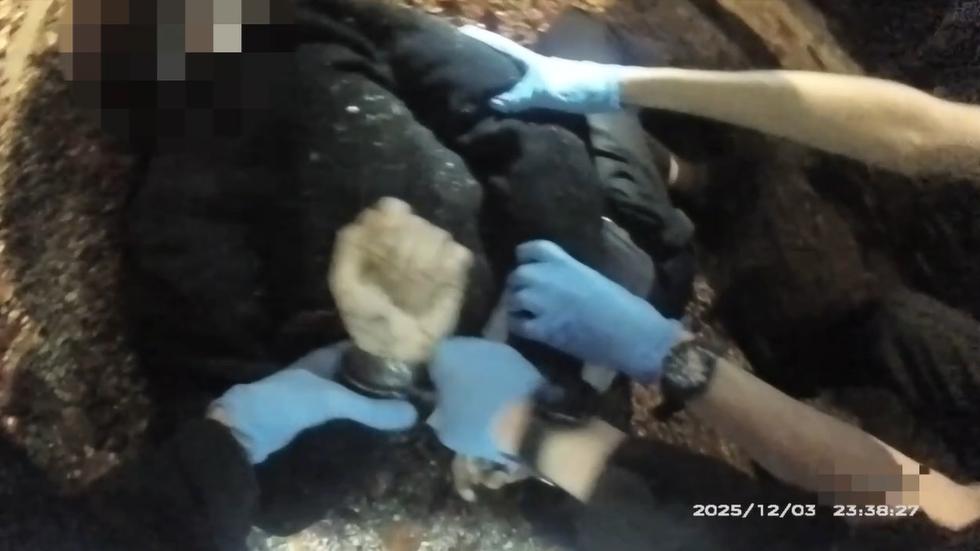
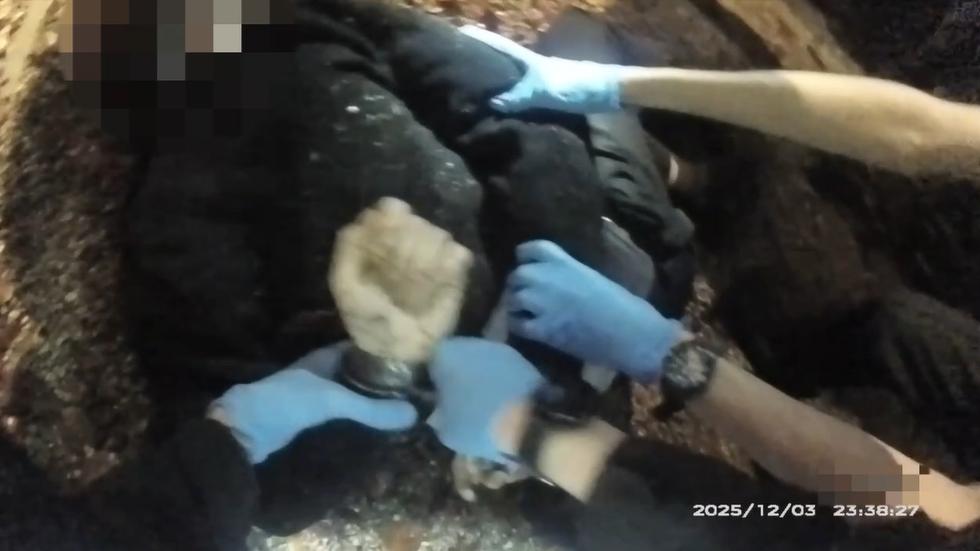
The attack left Nowak with five stab wounds, including two to the back of his legs, one to his face, and a fatal wound to the chest that pierced a lung and severed a major vein. Body-worn camera footage and transcripts released after the trial revealed harrowing details: Nowak repeatedly told officers he had been stabbed and couldn’t breathe, yet police—initially misled by Digwa’s false claims of being the victim of a racist assault—handcuffed the dying student. It took officers several minutes to discover the severity of his injuries. Nowak was pronounced dead shortly after midnight.

Digwa was convicted of murder at Southampton Crown Court in late May 2026 and sentenced on June 1 to life imprisonment with a minimum term of 21 years. Judge William Mousley KC rejected Digwa’s self-defense claims, describing his account as “wicked lies.” The judge highlighted how Digwa had filmed his victim and maintained a false narrative, even as Nowak lay dying. “You have brought shame upon your family, your community, and your religion,” the judge told Digwa, noting the broader impact on racial tensions and the Sikh community.
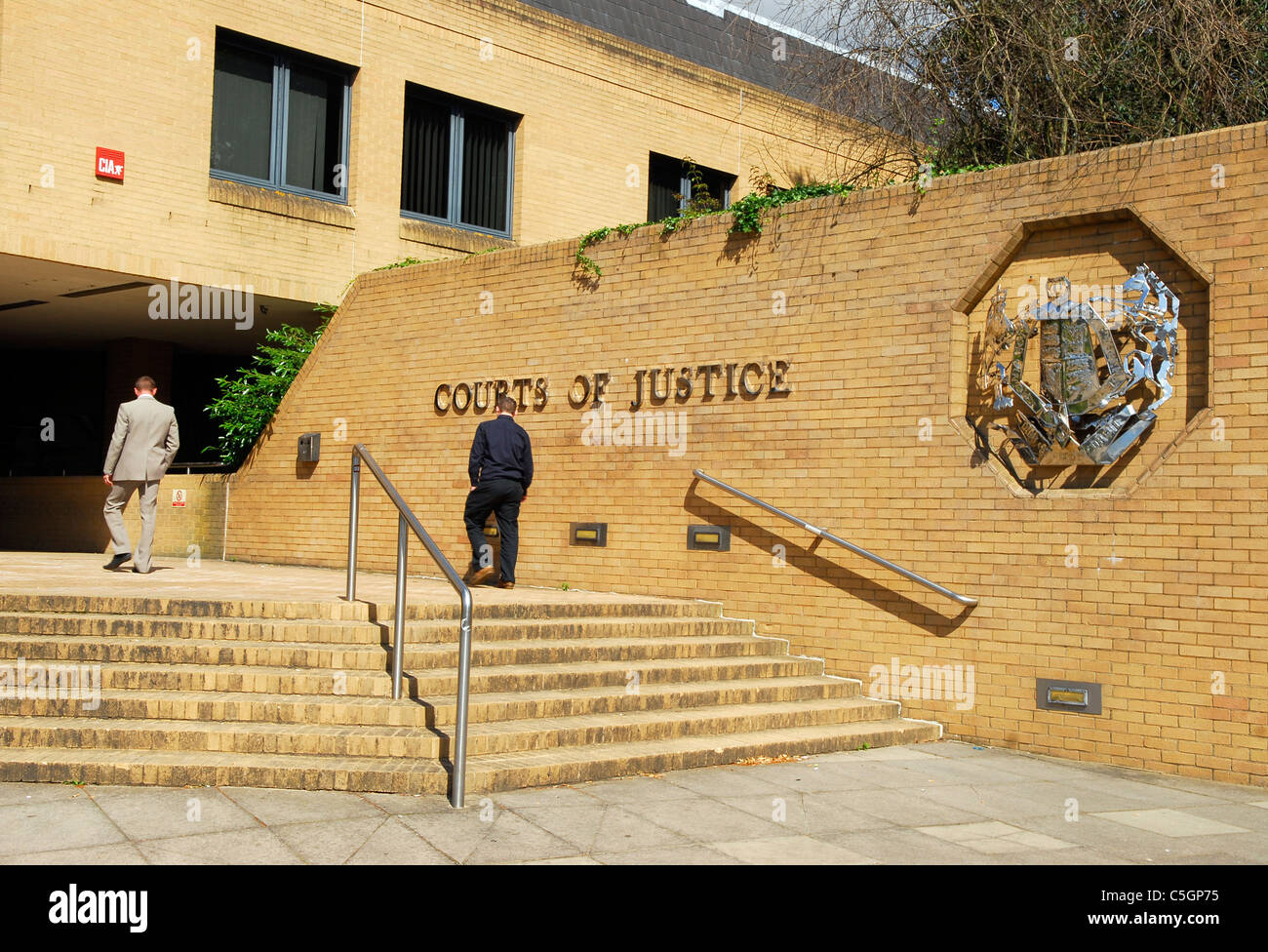
Central to the post-attack events was the role of Digwa’s mother, Kiran Kaur, 53. Court documents allege that after the stabbing, Digwa handed the murder weapon and its sheath to his mother, who removed it from the scene. Police later recovered the blade at the family home in Southampton, along with more than 20 other weapons. Kaur was found guilty of assisting an offender. Her sentencing hearing today marks the latest chapter in this high-profile case, as the court determines her punishment for what prosecutors describe as efforts to conceal crucial evidence.
The Nowak family has spoken publicly about their profound grief. Henry’s father, Mark Nowak, described the “unbearable” contrast in how police treated his son versus the killer, while his mother, Lucy Ross, highlighted the future cruelly taken from her son. The family has called for knife crime to be treated as a national emergency and sought a transparent investigation into the police response, which has been scrutinized by the Independent Office for Police Conduct.
The case has ignited wider discussions. Digwa’s sentence has been referred to the Court of Appeal as potentially “unduly lenient,” while he himself has applied to appeal his conviction and term. Protests erupted in Southampton following the release of bodycam footage, leading to further charges. Sikh community leaders in Essex, Henry’s hometown, have condemned the violence and emphasized that the murder should not divide communities.
As Kiran Kaur returns to court, the focus returns to the human cost. Henry Nowak was remembered in tributes as a principled young man full of promise—devoted to family, football, and his studies. His death has left a lasting void.
This sentencing is not just about one family’s actions in the immediate aftermath but serves as a stark reminder of the devastating ripple effects of knife crime in the UK. Prosecutors will likely emphasize the need for accountability to deter similar cover-ups and ensure justice for victims like Henry. The outcome today could further shape public discourse on weapons, policing accountability, and community relations.