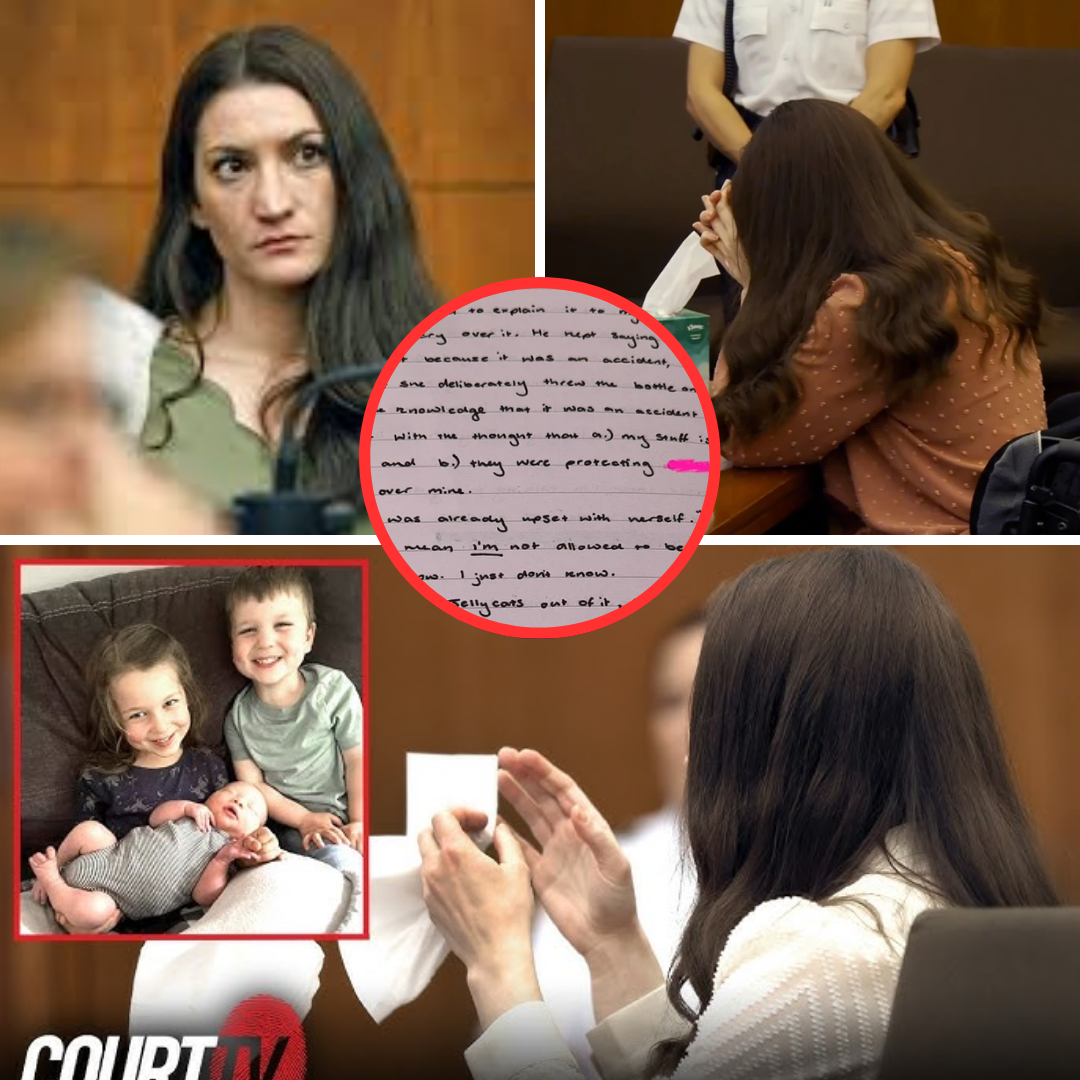
Lindsay Clancy Trial: Unsealed Medical Document Exposes Explosive Details of Secret Depression Medication Cocktail
In a stunning development during the high-profile trial of Lindsay Clancy, prosecutors have revealed a previously sealed medical document detailing an unapproved drug combination prescribed to the Massachusetts mother just 48 hours before she allegedly killed her three young children. The explosive revelation has sent shockwaves through the courtroom, intensifying the debate over whether her depression treatment plan — and a complex cocktail of powerful psychiatric drugs — contributed to a severe psychotic breakdown or if she remained fully criminally responsible.
The case centers on Clancy, 35, who is charged with first-degree murder in the deaths of her 5-year-old daughter Cora, 3-year-old son Dawson, and 8-month-old son Callan. The killings occurred on January 24, 2023, in their Duxbury home, with Clancy later attempting suicide. Her defense team is arguing an insanity defense, claiming severe postpartum mental illness and medication-induced psychosis left her unable to control her actions. Prosecutors, however, insist she was criminally responsible and not in a psychotic state at the time of the incident.
Toxicology reports from the case have confirmed the presence of multiple potent psychiatric medications in Clancy’s system at the time of the deaths. These included antidepressants, antipsychotics, benzodiazepines, and mood stabilizers, painting a picture of a “cocktail” that defense lawyers claim triggered her breakdown. Yet, the unsealed document — detailing a combination of drugs that had never received full regulatory approval for her specific condition — has thrown the proceedings into chaos, forcing the court to confront the risks and anomalies of her treatment plan.
Court records and testimony have detailed a turbulent four months of psychiatric care leading up to the tragedy. From September 2022 to January 2023, Clancy received over 30 prescriptions from multiple providers, including Dr. Jennifer Tufts, who treated her extensively for depression, anxiety, and insomnia. Key medications included Zoloft (sertraline), Ativan (lorazepam), Klonopin (clonazepam), Trazodone, Seroquel (quetiapine), Buspar (buspirone), hydroxyzine, and others like fluoxetine and mirtazapine. Some were prescribed simultaneously, with dosages rapidly adjusted as her symptoms worsened.
The document uncovered just 48 hours before the killings lists a specific unapproved mix — a combination of medications not standardly approved for her case. Defense attorneys have highlighted how such polypharmacy could have exacerbated her condition, potentially worsening her postpartum depression into a severe psychotic episode. They point to journal entries where Clancy described feeling overwhelmed, disconnected from reality, and tormented by intrusive “horrible thoughts.” Prosecutors counter that the drugs were therapeutic or even sub-therapeutic in her system, and that she was not psychotic that day.
Forensic experts testified about the drug levels. A toxicologist explained that most substances were within therapeutic ranges, but one antipsychotic showed slight elevation — nowhere near overdose levels that would cause sudden psychosis. Benzodiazepines and other sedatives were detected, yet the defense insists the overall cocktail, combined with her undiagnosed bipolar disorder and postpartum psychosis, overpowered her. Clancy’s ex-husband, Patrick, testified that her condition deteriorated despite the medications, and he was unaware of the full extent of polypharmacy.
The unsealed document has reignited accusations against her medical providers. Civil lawsuits filed by Clancy and Patrick allege overprescribing and a disorganized treatment plan that failed to recognize early signs of bipolar disorder with postpartum onset. Providers allegedly switched medications frequently without proper monitoring, leaving her on multiple drugs that some claimed worsened her side effects, including intrusive thoughts.
As the trial continues, the revelation underscores the delicate balance of psychiatric care for new mothers. Defense lawyers argue the medications, rather than the insanity defense itself, precipitated the tragedy. Prosecutors maintain the evidence shows no break from reality, emphasizing her actions as deliberate.
The courtroom drama has captivated attention, raising urgent questions about medication safety, informed consent, and the limits of polypharmacy in mental health treatment. With the trial still unfolding, the unsealed document stands as a chilling reminder of the high stakes in cases involving mental health and medication.