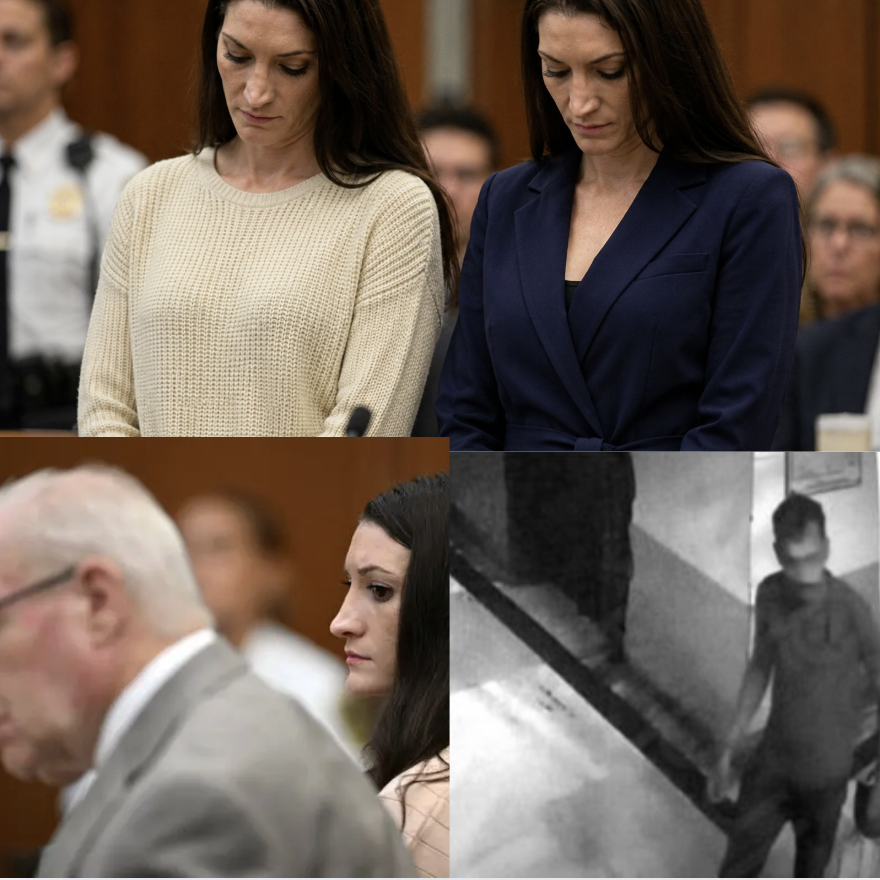
EXPLOSIVE CLAIM: “LOOKALIKE WITNESS” EMERGES IN CLANCY INVESTIGATION
In a sudden online escalation that has ignited viral speculation across social media platforms, a new narrative has emerged surrounding the high-profile Lindsay Clancy trial. Clickbait posts and online discussion forums are circulating allegations of an unsealed witness statement—one purportedly given by a local woman who bears a striking physical resemblance to Lindsay Clancy. According to these viral claims, the witness allegedly observed a masked stranger near the family’s Summer Street residence on the night of the tragic event.
The dramatic claims suggest that this mysterious account fundamentally challenges the prosecution’s timeline, implying that investigators intentionally focused on a specific, overlooked detail in her testimony. However, a review of official court filings, trial transcripts, and law enforcement releases from Plymouth County presents a starkly different reality.
THE ANATOMY OF A VIRAL CLAIM
The headline asserting a “lookalike witness saw a masked stranger” quickly went viral across true crime forums, drawing hundreds of thousands of views within hours. The posts promise readers access to “unsealed witness records” detailing a confrontation between an intruder and a local bystander.
In these internet accounts, the alleged witness claims she was walking in the vicinity of the Duxbury home when she spotted an unidentified, masked individual lurking near the perimeter of the property. The narrative emphasizes her physical resemblance to Lindsay Clancy, implying that the intruder may have mistaken the bystander for Clancy or that the witness was somehow drawn into the night’s events.
Despite the overwhelming traction of these posts, judicial records from Plymouth Superior Court confirm that no such witness statement exists in the official case evidence.
THE ACTUAL COURTROOM REALITY
Inside the courtroom, the legal proceedings bear no resemblance to the rumors circulating online. The murder trial of Lindsay Clancy centers strictly on her mental state at the time of the events on January 24, 2023. Neither the prosecution nor the defense has ever asserted that a masked stranger, intruder, or lookalike was present near or inside the house.
-
Defense Strategy: Defense attorney Kevin Reddington has consistently maintained that Lindsay Clancy was suffering from severe postpartum psychosis, depression, and overmedication. The defense does not dispute that Clancy committed the acts, focusing entirely on a defense of lack of criminal responsibility due to mental illness.
-
Prosecution Case: Prosecutors contend that Clancy planned the acts, pointing to digital evidence, phone searches, and routine errands requested of her then-husband, Patrick Clancy, to demonstrate intentionality.
-
Witness Testimony: Official testimony presented during the trial has come exclusively from medical professionals, forensic experts, responding emergency officers, former family members, and Patrick Clancy himself. No testimony regarding masked strangers or outside lookalikes has been introduced or deemed admissible by Judge William Sullivan.
FACT VS. FICTION IN MODERN TRUE CRIME COVERAGE
The phenomenon of online sensationalism surrounding high-profile criminal trials has reached an all-time high. Legal analysts note that sensationalized headlines—often featuring dramatic emojis, claims of “leaked footage,” or secret lookalike witnesses—are designed primarily to drive web traffic, clicks, and engagement on external links.
“In highly emotional, tragic cases, the vacuum of official information during court recesses is frequently filled by internet rumors,” noted criminal defense analyst Elena Rostova. “When a case touches on sensitive topics like maternal mental health and family tragedy, false narratives gain traction rapidly because people are looking for alternative explanations. But inside a court of law, only verified physical evidence and sworn testimony carry weight.”
The Plymouth County District Attorney’s office has repeatedly cautioned the public against relying on unverified internet speculation, emphasizing that official court proceedings represent the sole factual record of the investigation.
CURRENT STATUS OF THE TRIAL
As the trial reaches its final stages in Plymouth Superior Court, the defense team has rested its case after calling mental health experts, family members, and medical personnel to detail Clancy’s psychological decline prior to the tragedy. Rebuttal witnesses called by the prosecution have completed their testimony, and closing arguments are scheduled to take place before the jury begins deliberations.
Should the jury find Clancy guilty of the murder charges, she faces a maximum sentence of life in prison without parole under Massachusetts law. If the jury concludes she is not criminally responsible due to mental illness, she will be committed to a state psychiatric facility for treatment.
While online forums continue to generate speculative theories about masked figures and hidden witness statements, the trial remains anchored entirely in the medical, forensic, and factual testimony delivered under oath before the court.