NETFLIX’S HIDDEN GEM IS FINALLY GETTING THE ATTENTION IT DESERVES — AND VIEWERS CAN’T STOP TALKING ABOUT THE ENDING!
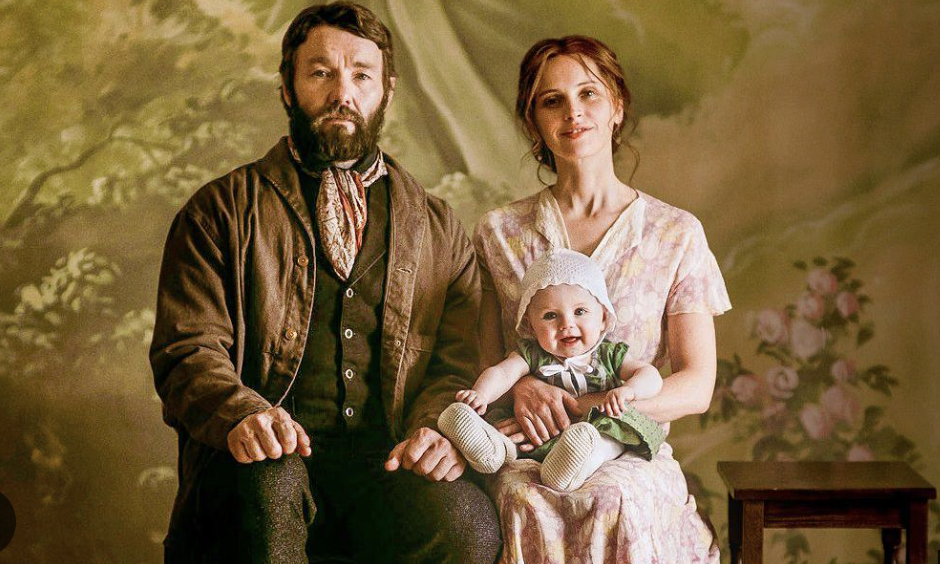
The quiet rise of modest, deeply human stories on streaming platforms frequently catches the film industry off-guard, yet it remains one of the most refreshing aspects of modern cinema. Amidst a sea of big-budget superhero sagas, CGI-laden action blockbusters, and high-concept sci-fi epics, the quiet arrival of Train Dreams—an emotional period drama starring Joel Edgerton and Felicity Jones—has unexpectedly taken center stage. Directed by Clint Bentley and based on Denis Johnson’s acclaimed novella, the film slipped onto Netflix with minimal mainstream promotion, bypassing traditional blockbuster hype. Yet within days of its release, algorithm recommendations and passionate word-of-mouth transformed this understated project into one of the platform’s most talked-about cinematic discoveries.
Set against the rugged backdrop of the early 20th-century American Pacific Northwest, the film relies on classic cinematic virtues: exceptional performances, patient storytelling, and an unflinching exploration of human vulnerability. It tells the story of Robert Grainier, a day laborer navigating a rapidly changing world amidst profound personal loss. Edgerton and Jones deliver deeply grounded, career-defining work, portraying a relationship defined by quiet intimacy and devastating grief. Rather than relying on theatrical grandstanding or melodramatic outbursts, their onscreen dynamic thrives in quiet spaces—shared glances, heavy silences, and conversations that carry the unmistakable weight of unexpressed history and lingering memory.
The narrative introduces viewers to the harsh realities of early industrial expansion, drawing audiences into a life shaped by manual labor, isolation, and unpredictable tragedy. As the story unfolds with patient simplicity, the pacing takes its time, allowing the audience to settle into the natural rhythms of the frontier setting. The film carefully builds a world where fleeting moments of profound happiness and crushing sorrow coexist in a fragile balance. Viewers are invited not merely to watch a traditional drama, but to witness a deeply intimate meditation on loss, memory, and the relentless march of time. It is precisely this raw, unvarnished authenticity that has resonated so deeply with streaming audiences.
As the plot progresses toward its final act, subtle emotional layers accumulate. The narrative leads the viewer through a lifetime of quiet resilience, encouraging reflections on fate, human endurance, and the ghosts of the past. The storytelling presents what appears to be a linear character study, leading the audience to feel grounded in its historical rhythm. However, the emotional trajectory builds toward a powerful, haunting crescendo that reshapes the viewer’s perspective on everything that came before.
The conversation surrounding the film online has reached a fever pitch, primarily driven by its staggering final act. Without relying on sensational gimmicks or artificial plot twists, the story shifts into a deeply atmospheric and lingering emotional space during its closing sequences. The conclusion forces a profound reevaluation of memory, grief, and the quiet legacy of an ordinary life. When the final credits roll, the impact is not a shock value twist, but a lingering, heartbreaking resonance that stays with the viewer long after the screen goes dark.
This haunting conclusion has sparked vibrant discussions across social media, film forums, and digital fan communities. Audiences are taking to platforms to share their emotional reactions, analyze the film’s poetic themes, and encourage others to experience its quiet power. The emotional weight of the final scenes is such that many viewers report feeling stunned by its beauty and sadness. It is the rare kind of film ending that forces a quiet pause, compelling the viewer to sit in reflection rather than immediately scrolling to the next title on their watchlist.
The unexpected viral success of Train Dreams has also reignited a broader industry conversation regarding distribution strategies in the modern streaming ecosystem. Critics and film enthusiasts alike are questioning why a project boasting such extraordinary craftsmanship, critical acclaim, and top-tier acting talent was denied a wider, traditional theatrical release before reaching streaming platforms. In an era where movie theaters often struggle to attract audiences for mid-budget adult dramas, some argue that deeply artistic character studies are missing out on the communal big-screen experience they so richly deserve.
On the other hand, defenders of its streaming premiere argue that the film’s massive digital reach is proof of modern distribution’s unique strengths. In a crowded theatrical market, a quiet, contemplative period piece without superhero tropes or franchise branding might have struggled at the box office. On a global platform like Netflix, however, the film was given the time and space to be discovered organically. A single viewer’s emotional recommendation on social media can snowball into millions of streams overnight, granting subtle masterpieces a global audience that traditional models rarely guarantee.
Ultimately, the phenomenon surrounding Train Dreams serves as a poignant reminder of what makes cinema truly enduring. Massive budgets and digital effects can create temporary spectacles, but it is deeply human stories—those that dare to explore love, loss, and the quiet beauty of existence—that leave an indelible mark on the culture. As viewers continue to hit play, reflect on its haunting final moments, and champion the film to others, one thing has become abundantly clear: true cinematic gems do not need loud promotional campaigns to shine; they simply need an honest story and a platform to be seen.