FABRICATED EVIDENCE AND DIGITAL HOAXES: DEBUNKING THE VIRAL “LEAKED FOOTAGE” IN THE PRESTON DAVEY CASE
Deconstructing the “Silent Woman” Clickbait Narrative
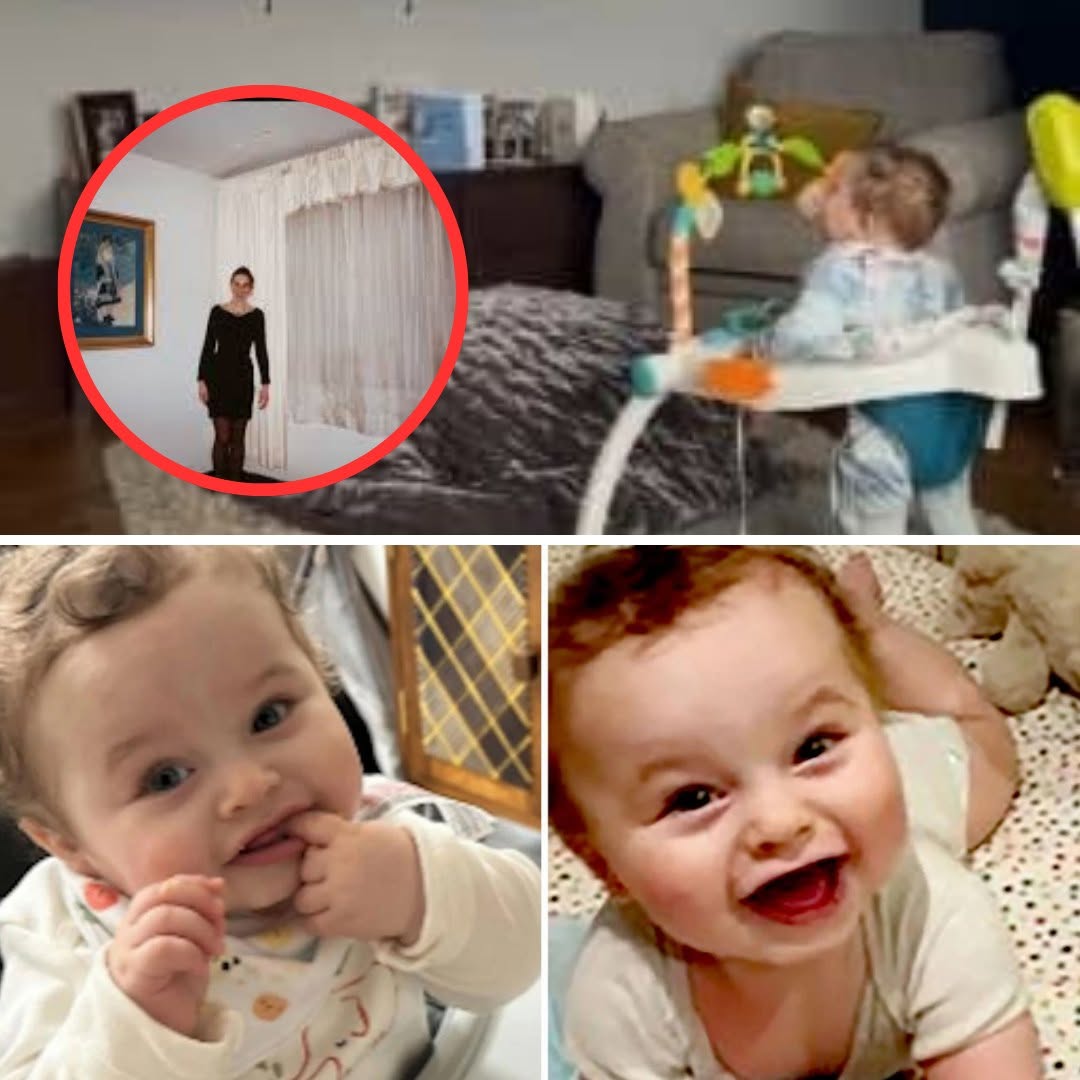
A disturbing viral post has circulated across social media platforms, claiming that “leaked footage” from the final days of 13-month-old Preston Davey has surfaced online just as court proceedings formally concluded. Formatted with alarm emojis, cliffhanger prompts, and horror-thriller tropes, the post alleges that a home security video chillingly reveals an “unidentified woman standing silently in the corner of the house, watching the toddler’s every move.” The caption asserts that this discovery points to a secret “third accomplice” working alongside the two convicted men, concluding with a dramatic teaser describing the woman slowly approaching the child before the video cuts off.
An exhaustive review of the evidence logs from Lancashire Police, official court transcripts from Preston Crown Court, and statements from the Crown Prosecution Service (CPS) confirms that this claim is an absolute fiction. No leaked footage exists, no mysterious woman was ever recorded inside the residence, and investigators have repeatedly confirmed that no third party was involved in the crime.
This headline is another manufactured hoax created by digital clickbait operations. By blending found-footage horror aesthetics with a real-life child protection tragedy, these syndicates aim to exploit emotional curiosity, trick social media algorithms, and drive user traffic to ad-monetized external portals.
The Forensic Reality: How Digital Evidence Excluded Third-Party Involvement
To understand why the claim of a “mysterious woman on video” is factually and forensically impossible, it is necessary to examine the actual digital and physical evidence presented during the murder trial of Jamie Varley and John McGowan-Fazakerley.
When Lancashire Police officers and forensic crime scene investigators secured the couple’s home in July 2023 following Preston’s death, they launched an exhaustive digital forensics operation that left no stone unturned:
-
Complete Digital Extraction: Forensic computer analysts seized and analyzed every electronic device found in the home, including smartphones, tablets, laptops, smart TVs, and external hard drives. They extracted all available cloud storage backups, deleted file directories, and messaging application logs.
-
Property Security and Camera Systems: Detectives audited all local security hardware, including Ring doorbell cameras, indoor smart cameras, and neighboring closed-circuit television (CCTV) feeds covering the street. The footage provided a continuous, unbroken visual timeline of who entered and exited the home over the four months Preston resided there.
-
Exclusion of Outside Visitors: The video logs and digital records confirmed that during the period when the physical abuse occurred, no unauthorized individuals or unidentified women entered the residence. The home was entirely under the control of Varley and McGowan-Fazakerley.
During the trial at Preston Crown Court, prosecutors presented this digital timeline to prove that the two men had exclusive care, custody, and control of the infant, effectively ruling out any third-party intruders, secret accomplices, or outside visitors.
Horror Tropes as Clickbait: Why Scammers Use “Creepypasta” Storytelling
The narrative structure of the “leaked footage” post relies heavily on tropes borrowed from found-footage horror films and internet urban legends (often referred to as “creepypastas”) rather than genuine investigative reporting.
Digital content syndicates utilize specific psychological triggers when constructing these hoaxes:
1. The “Eerie Figure in the Corner” Paradigm
Describing an “unidentified figure standing silently in the dark” taps directly into primal fears and cinematic suspense. By framing a real-world legal tragedy through the lens of a ghost story or thriller, clickbait creators induce immediate cognitive intrigue in readers scrolling through their feeds.
2. The Abrupt Video Cut-Off
The claim that the woman “slowly approaches the boy… right before the screen cuts off” is a classic cliffhanger technique. It creates an artificial information vacuum, driving the reader to experience an intense urge to find out what happened next.
3. The “Secret Accomplice” Conspiracy
True-crime misinformation often relies on introducing a mysterious, uncaptured villain. By alleging that a third accomplice remains at large, the post creates a false sense of ongoing danger and public urgency, encouraging users to share the post quickly to “spread awareness.”
The Mechanics of Video Click-Farms and Link Scams
The primary motivation behind these sensationalized video hoaxes is financial exploitation through traffic arbitrage.
The digital pipeline behind fake video claims follows a predictable model:
-
Deceptive Calls to Action: Prompts such as “Click the link to watch the full video and story” are engineered to lure users off secure social media platforms onto unverified third-party websites.
-
Malicious Redirection Networks: When a user clicks the link expecting to watch a video clip, they are subjected to a series of browser redirects. These lead to ad-saturated blog posts, fake software update prompts, subscription traps, or phishing sites attempting to harvest personal data.
-
No Video Ever Exists: In 100% of these cases, no video footage is ever provided. The user is instead greeted by endless pop-up advertisements or looped slideshows that generate fractions of a cent per page view for the scam operators.
Ethical Reporting and the Protection of Legal Outcomes
Fabricating “haunted” or “mysterious” video evidence in actual child murder cases is not merely misleading; it disrespects the judicial process and trivializes the memory of young victims.
Justice in complex criminal proceedings is achieved through the meticulous gathering of physical evidence, medical pathology, and forensic science presented before a jury in an open court of law. Jamie Varley and John McGowan-Fazakerley were tried, convicted, and sentenced based on undeniable scientific and circumstantial proof.
By recognizing the hallmarks of viral clickbait—such as anonymous “leaked footage” claims, sensational horror tropes, and suspicious external link prompts—the public can help halt the spread of digital misinformation and maintain respect for factual, verified journalism.