THE EXPLOITATION OF ENDURING BONDS: DECONSTRUCTING THE ‘KENNY ROGERS AND DOLLY PARTON SECRET’ HOAX
Deconstructing the Sensationalist Teaser
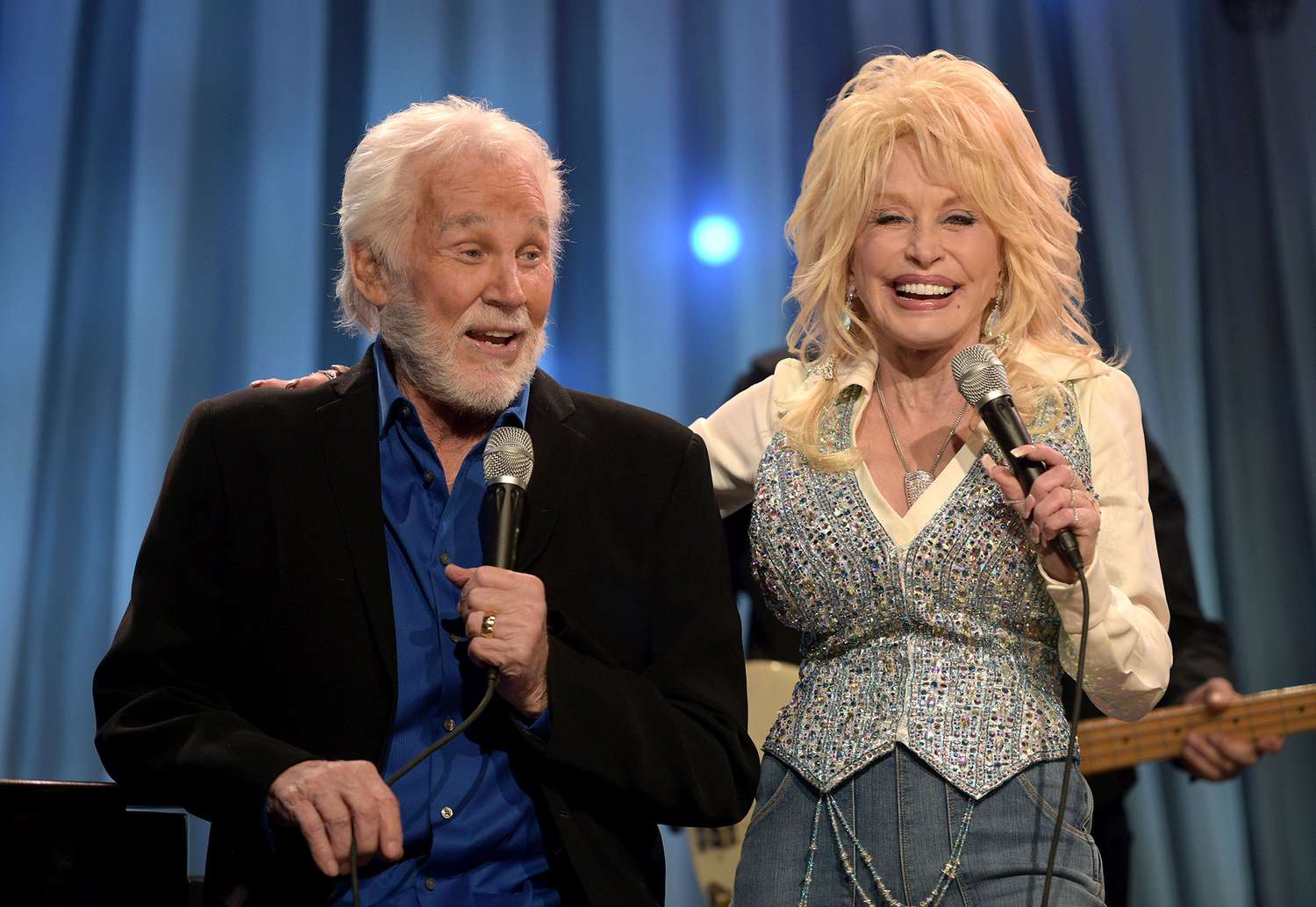
A hyper-dramatic entertainment teaser recently swept through digital aggregation feeds, automated video portals, and social media channels, proclaiming with emergency sirens and pointing emojis: “🚨 SICKNESS SECRET AND FINAL ON-STAGE WORDS BETWEEN KENNY ROGERS AND DOLLY PARTON LEAVE MILLIONS OF FANS HEARTBROKEN! 👇 The 40-year platonic bond between these two country legends remains one of music’s most cherished icons. Their final joint performance on stage brought millions of fans to tears. Behind their radiant smiles that night lay Kenny’s devastating battle with illness. The emotional whisper Dolly gave him the moment the lights faded exposed a heartbreaking secret kept hidden for years… 👇👇”
Adorned with promises of secret whispers, hidden medical diagnoses, and emotional stage exits, the post presents itself as a touching, unscripted historical revelation. However, despite its dramatic claims of hidden illness secrets and silent off-camera confessions, the entire narrative frame is a complete digital fabrication. While Kenny Rogers and Dolly Parton did share a deeply moving final performance on stage in 2017, there was no secret “illness whisper” exposed in the dark, no hidden medical cover-up, and no scandalous secret kept concealed from fans. Instead, this viral teaser represents a calculated piece of algorithmic clickbait—a manufactured hoax engineered to exploit public affection for two country music icons, weaponize archival footage, and monetize web traffic through predatory digital advertising networks.
The True 2017 Farewell vs. Manufactured Melodrama
To understand how clickbait networks construct believable lies around real events, one must contrast the fake “sickness secret” narrative with the documented history of Kenny Rogers and Dolly Parton’s iconic partnership.
The duo’s legendary friendship spanned over four decades, anchored by their timeless 1983 duet “Islands in the Stream” (written by the Bee Gees) and their 2013 hit “You Can’t Make Old Friends.” In October 2017, Nashville hosted a star-studded tribute concert titled All In for the Gambler: Kenny Rogers’ All-Star Farewell Celebration at the Bridgestone Arena, marking Rogers’ final live performance before retiring due to health considerations.
-
Public Transparency Regarding Retirement: Kenny Rogers was publicly open about his decision to step away from touring. In numerous interviews leading up to the 2017 farewell event, Rogers openly discussed his declining mobility and age, stating that he wanted to retire gracefully to spend time with his family rather than perform with physical limitations.
-
The Final On-Stage Mic Drop: During the 2017 farewell concert, the duo performed “You Can’t Make Old Friends” and “Islands in the Stream.” In a classic, lighthearted moment that was broadcast publicly and witnessed by thousands of fans, they playfully dropped their microphones together on stage to signal Rogers’ final bow.
-
No Hidden Whispers or Cover-Ups: Dolly Parton’s tributes to Rogers—both on stage that night and following his peaceful passing at age 81 in March 2020—were delivered in the open. Her spoken words during the show were captured by professional microphones and broadcast worldwide; there was no secret, dramatic whisper meant to hide a scandalous diagnosis.
By taking a poignant, celebrated public moment and layering it with manufactured intrigue (“emotional whisper,” “heartbreaking secret”), content mills transform authentic music history into cheap sensationalism.
The Structural Mechanics of Grief Clickbait
The structural design of the teaser relies on proven psychological manipulation tactics engineered to override critical thinking and force immediate action.
Digital content mills deploy specific cognitive hooks when crafting viral hoaxes:
1. The Truncated Curiosity Gap (“secret kept hidden for years… 👇👇”)
By abruptly ending the post immediately before revealing what the “secret whisper” or “heartbreaking secret” actually was, the headline creates a severe information vacuum. The human brain naturally craves complete stories; leaving the emotional climax unresolved compels scrollers to tap the link to find closure.
2. Exploiting Established Emotional Archetypes
The 40-year platonic friendship between Rogers and Parton is universally admired for its warmth, humor, and professional loyalty. By anchoring the fake story to a genuine, beloved relationship, the clickbait post instantly gains credibility among casual scrollers who already hold emotional investment in the duo.
3. Sensationalizing Routine Medical Realities
When aging public figures manage health conditions, clickbait mills weaponize these normal human realities. By framing routine age-related health challenges as a “devastating sickness secret,” the post creates artificial panic, tricking readers into believing they are uncovering a concealed conspiracy.
4. Algorithmic Amplification Loops
When concerned fans comment on the post asking “What did she whisper?” or sharing memories of Kenny Rogers, social media recommendation algorithms interpret that activity as high user engagement. Consequently, the platform’s distribution engine pushes the fake post to thousands of additional user feeds.
The Monetization Funnel: Ad Arbitrage and Click Scams
Behind these dramatic entertainment headlines lies a lucrative business model known as traffic arbitrage and digital impression farming.
When scrollers tap the “👇👇” prompt expecting to learn the secret off-stage whisper, they are never directed to legitimate music publications like Rolling Stone, Billboard, or The Country Music Hall of Fame. Instead, the user journey follows a deceptive web funnel:
-
Redirects to Ad-Dense Scraper Sites: Users are routed through multiple URL shorteners to low-quality scraper blogs or automated video channels packed with pay-per-click display banner advertisements.
-
AI-Generated Text Loops: The destination page almost never reveals a secret whisper. Instead, it presents generic, AI-generated text endlessly summarizing Kenny Rogers’ discography, Dolly Parton’s career, or the production history of “Islands in the Stream,” forcing visitors to scroll past dozens of ad banners in search of an answer that does not exist.
-
Security Hazards and Phishing Traps: In more predatory instances, these links trigger intrusive browser pop-ups promoting unverified health supplements, invasive push notifications, or malicious software downloads designed to harvest personal data.
Safeguarding Media Literacy in Digital Nostalgia Communities
The widespread proliferation of manufactured celebrity hoaxes underscores the vital necessity of digital media literacy when consuming entertainment content online.
To protect themselves from falling victim to manufactured grief clickbait and online scams, readers should adopt key verification habits:
-
Cross-Reference Historic Claims with Reputable Outlets: Major disclosures or historical reveals regarding iconic figures like Kenny Rogers and Dolly Parton are covered by accredited news and music journalism outlets. If a claim exists solely on an anonymous social media page, it is fake.
-
Recognize Formulaic Clickbait Red Flags: Exercise skepticism toward headlines featuring truncated sentences, pointing arrows (“👇”), emergency emojis (“🚨”), and dramatic claims of “hidden secrets” or “whispered confessions.”
-
Avoid Interacting with Exploitative Posts: Refrain from liking, sharing, or commenting on unverified clickbait. Every interaction provides engagement metrics that allow content mills to profit from manufacturing synthetic drama.
Kenny Rogers and Dolly Parton built a legendary legacy defined by musical excellence, genuine warmth, and unconditional friendship. Recognizing how digital content networks profit from fabricating post-retirement scandals ensures that fans can honor that legacy without being manipulated by algorithmic hoaxes.