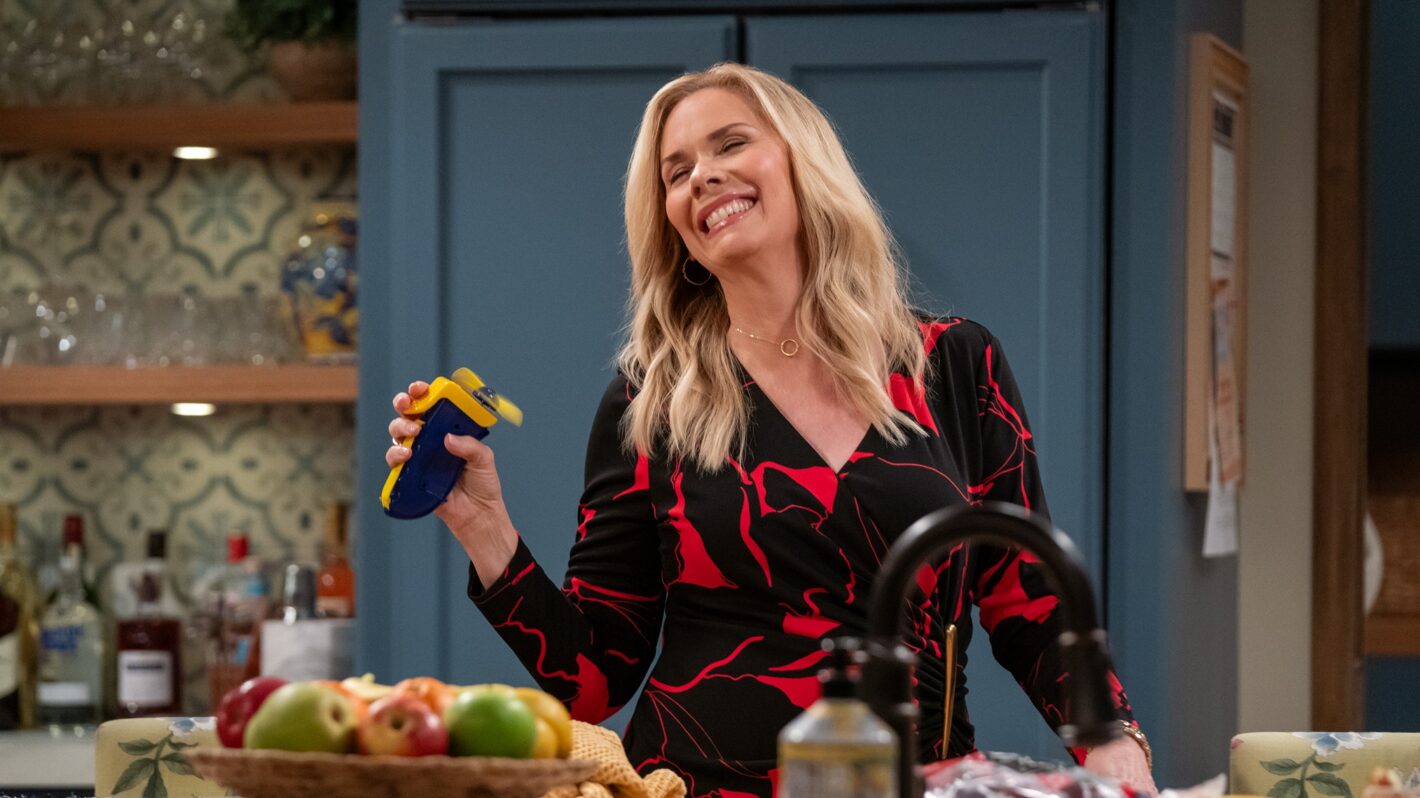
DECONSTRUCTING THE ‘LEANNE SEASON 3 PREMIERE’ HOAX
ANATOMY OF ENTERTAINMENT CLICKBAIT: DECONSTRUCTING THE ‘LEANNE SEASON 3 PREMIERE’ HOAX
Deconstructing the Sensationalist Teaser
A hyper-dramatic teaser recently began proliferating across automated entertainment groups, social media fan pages, and digital content aggregator channels, proclaiming in urgent headlines: “Latest Announcement About ‘LEANNE’ SEASON 3: The success of Seasons 1 and 2 has left audiences eagerly anticipating Season 3. And now, the latest update has just been revealed: ‘LEANNE’ SEASON 3 will officially premiere on… See more”
Framed with authoritative phrasing, promises of “official premiere dates,” and an abrupt cliffhanger, the post presents itself as an urgent, real-time industry update for fans of the hit comedy Leanne. However, despite its confident tone and claims of an “official announcement,” every element of this teaser is an artificial creation. Netflix has made no formal release date announcement or official renewal statement regarding a third season of the show. Instead, this post represents a ubiquitous form of digital entertainment fraud: a modular, automated clickbait template engineered to exploit fan eagerness, manipulate social media algorithms, and harvest web traffic for predatory ad-arbitrage networks.
Streaming Reality vs. Manufactured Renewal Hype
To understand why this post is inherently deceptive, one must examine the actual operational mechanics of streaming television renewals and compare them to the claims made by automated content mills.
Created by Chuck Lorre, Susan McMartin, and comedian Leanne Morgan, Leanne quickly built a devoted fanbase with its traditional broadcast-style multi-camera humor. Following its debut, the series garnered solid domestic viewership and industry recognition, leading to its second season. However, following the release of Season 2, automated content mills immediately seized on audience curiosity to generate false headlines about an impending Season 3 premiere date.
In reality, streaming platforms do not announce premiere dates before a series has been greenlit, written, filmed, and edited:
-
The 28-Day Performance Window: Major streaming services typically monitor audience completion rates, initial 28-day viewership totals, and subscriber retention metrics before committing to subsequent seasons. Announcing a premiere date while evaluation is still underway is financially and operationally impossible.
-
Production Timelines: Even after an official renewal is greenlit, multi-camera sitcoms require months of pre-production, scriptwriting, table reads, production shooting, and post-production editing. Claiming an immediate premiere date right as a previous season concludes ignores standard industry scheduling realities.
-
Verified Industry Channels: Official renewal and release news is disseminated strictly through verified studio press rooms or established entertainment trades such as Variety, The Hollywood Reporter, and Deadline, never through anonymous social media captions terminating in “See more” link traps.
The Psychological Hooks of Pop Culture Clickbait
The structural design of the “Leanne Season 3 Announcement” post relies on sophisticated cognitive manipulation techniques tailored to exploit audience attachment to popular television series.
Digital content mills deploy specific psychological triggers when crafting fake renewal updates:
1. The Truncated Curiosity Gap (“will officially premiere on… See more”)
By cutting off the sentence right before disclosing the alleged date, the post creates a sharp psychological open loop. Fans who are eager to learn when their favorite show returns experience an immediate urge to seek narrative closure, driving them to click the “See more” link.
2. Fabricated Urgency and Authority (“Latest update has just been revealed”)
Using phrases like “latest update” and “officially premiere” tricks readers into believing they are viewing breaking entertainment news rather than an automated engagement trap. This authority bias reduces critical skepticism.
3. Exploitation of Fandom Investment
Clickbait creators specifically target television shows with passionate, highly engaged fanbases. Comedic performer Leanne Morgan and executive producer Chuck Lorre command dedicated followers who actively track news about their projects, making them high-value targets for traffic exploitation.
4. Algorithmic Engagement Feedback Loops
When confused or excited fans enter the comment section asking “When is it coming out?” or “Is this real?”, social media recommendation engines flag that activity as high user engagement. Consequently, the platform’s algorithm promotes the fake post into thousands of additional user feeds.
The Monetization Funnel: Ad Arbitrage and Traffic Harvesting
Behind these fake entertainment updates lies a lucrative business model known as traffic arbitrage and programmatic display ad farming.
When scrollers click the “See more” link expecting to read an official press release or release schedule, they are never directed to Netflix’s media center or accredited entertainment news outlets. Instead, the user journey follows a deceptive web funnel:
-
Redirects to Ad-Dense Scraper Sites: Users are routed through multiple URL shorteners to low-quality scraper blogs packed with pay-per-click display banner advertisements, pop-unders, and auto-playing video commercials.
-
AI-Generated Text Loops: The destination page almost never answers the headline’s claim. Instead, it displays generic, AI-generated text endlessly summarizing the plot of Season 1 and Season 2, listing the cast members, and repeating standard speculation without offering any real news on Season 3.
-
Cybersecurity Hazards: In predatory cases, these destination websites trigger intrusive browser pop-ups promoting fake system updates, push-notification subscription traps, or phishing forms designed to capture personal user data.
Digital Media Literacy: Verifying Entertainment News
The widespread proliferation of fake renewal and premiere date posts highlights the ongoing necessity of digital media literacy when following television and film news online.
To protect themselves from falling victim to manufactured entertainment hoaxes and digital ad schemes, audiences should adopt key verification habits:
-
Check Official Studio and Industry Outlets: Always cross-reference renewal or release date claims with official social media channels belonging to the streaming platform or recognized entertainment news publications.
-
Recognize Clickbait Formatting: Be wary of headlines featuring truncated sentences (“premiere on…”), excessive exclamation points, or vague claims of “secret updates.”
-
Avoid Unverified External Links: Refrain from clicking on “See more” or “Read full story” links in social media comments or non-verified fan groups.
-
Refrain from Engaging with Fake Announcements: Avoid commenting, liking, or sharing unverified renewal posts, as interaction helps monetize and spread spam.
Recognizing how automated networks exploit pop culture enthusiasm allows audiences to stay informed while avoiding predatory click schemes and digital traffic traps.