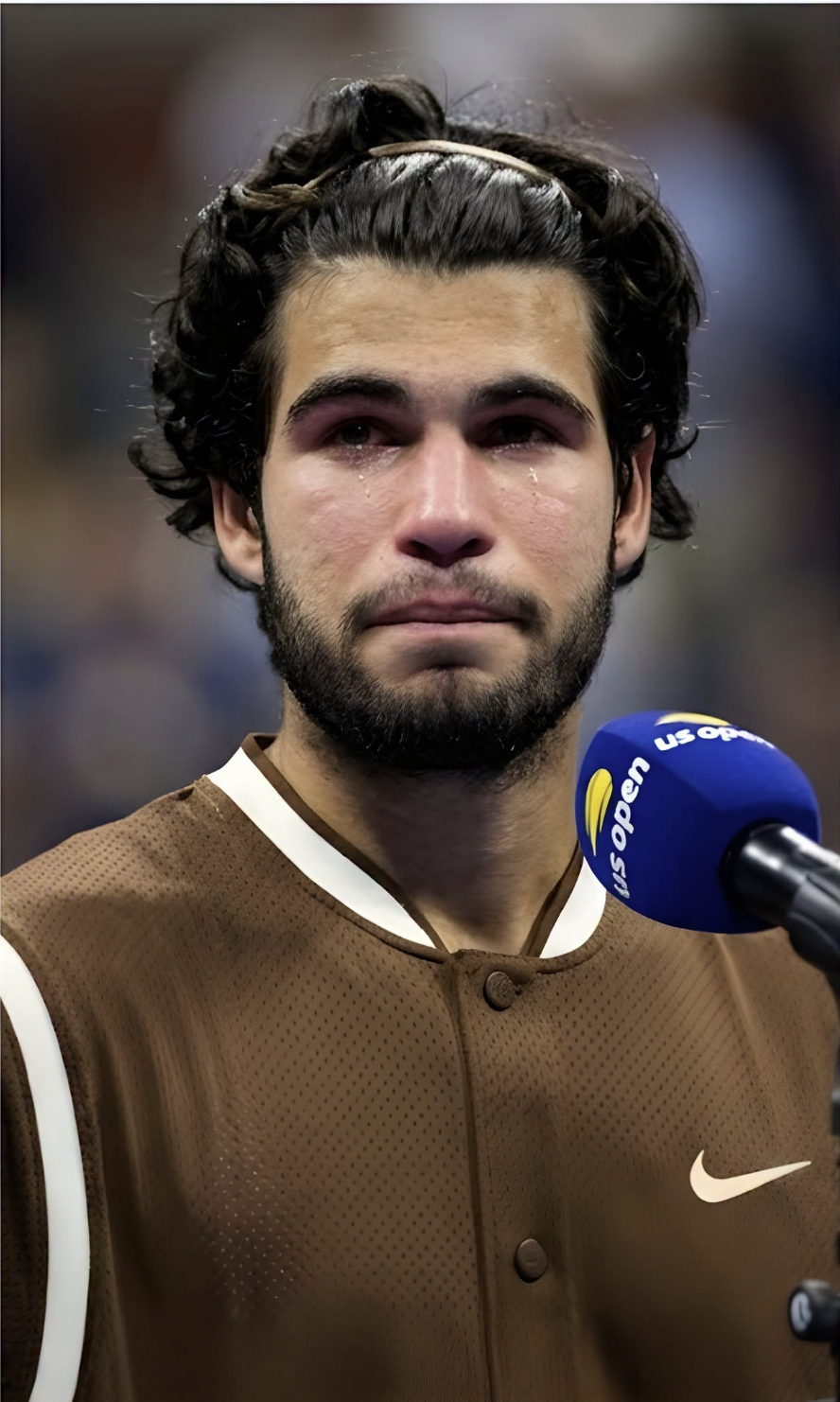
Athletic Strain, Media Scrutiny, and Narrative Control: Analyzing the Demands on Modern Tennis Prodigies
In the high-intensity ecosystem of modern professional tennis, the boundary between peak physical performance and severe athletic exhaustion is finer than ever before. When a major champion like Carlos Alcaraz faces an unexpected early exit at a Grand Slam event—such as a high-stakes encounter against a formidable power-hitter like Ben Shelton at the US Open—the immediate post-match atmosphere inevitably captures raw human emotion. In an era marked by an eleven-month competitive calendar and unprecedented physical demands, instances of player fatigue, emotional candidness, or physical strain are rapidly magnified across global media networks.
However, alongside legitimate sports reporting, a parallel digital economy systematically manipulates these moments of authentic athletic vulnerability. Sensationalized clickbait networks routinely distort routine post-match press conference statements, reframing natural physical fatigue or tactical frustration as catastrophic, career-ending secrets. Examining the realities of elite tennis alongside the mechanics of digital sports media reveals a critical narrative: the imperative to separate the genuine physical demands placed on modern athletes from manufactured online drama.
Deconstructing Clickbait Frameworks in Digital Sports Media
The rapid proliferation of algorithmically generated sports content has created a environment where athletic competition is frequently weaponized for digital engagement. Following high-profile matches at major tournaments, specialized clickbait networks deploy automated templates designed to exploit fan emotion and trigger impulse interactions.
An analysis of these viral campaigns highlights several recurring structural tactics:
-
Manipulative Urgency and Time-Stamping: Utilizing phrases such as “5 minutes ago” or “emotional scenes” creates a false sense of real-time crisis, compelling fans to seek immediate clarification.
-
Selective Contextual Truncation: Taking isolated phrases uttered during emotional press conferences—such as an athlete expressing temporary physical exhaustion—and stripping them of context to imply a permanent, career-ending admission.
-
The Manufactured Secret: Incorporating cliffhangers (“revealing a painful truth he had kept hidden”) to lure readers toward ad-monetized landing pages or survey walls that contain zero authenticated reporting.
Digital media analysts note that high-profile young superstars like Alcaraz—whose explosive playing style and global popularity generate massive search volumes—are primary targets for these monetized engagement campaigns. By converting routine athletic setbacks into dramatic personal crises, unauthorized web operations capitalize on fan anxiety while bypassing standard journalistic verification.
The Physical and Psychological Demands of the Modern Tennis Calendar
Beyond the noise of viral speculation lies a legitimate, ongoing debate within professional sports regarding player workload, physical sustainability, and tournament scheduling. Modern professional tennis requires an unprecedented level of physical conditioning, combining sprint mechanics, lateral agility, and high-impact joint loading across hard, clay, and grass court surfaces.
For an elite competitor whose game relies on extraordinary movement, relentless defensive coverage, and explosive court coverage, the physical toll over a calendar year is immense. The modern ATP Tour schedule presents several distinct challenges for top-ranked players:
-
Schedule Congestion: The sequence of back-to-back Grand Slams, mandatory ATP Masters 1000 events, and international team competitions leaves minimal time for physical recovery or structured off-season training.
-
Surface Transition Strain: Shifting rapidly between hard courts, European clay, grass, and back to hard courts places extreme physical stress on an athlete’s knees, ankles, and core muscles.
-
Psychological Pressure: Maintaining top-tier ranking points requires constant tournament participation, leaving little room for mental decompression away from global public scrutiny.
When an athlete experiences a physical setback or expresses overwhelming fatigue after a grueling tournament stretch, sports medicine professionals recognize it not as a hidden scandal, but as the predictable consequence of elite physical output under extreme conditions.
Vulnerability, Mental Health, and Athlete Agency
In recent years, professional sports have undergone a profound cultural shift regarding how athletes address mental health, physical limits, and public expectations. Previous generations of competitors were often expected to mask physical pain and emotional distress behind stoic press responses. Today, a new generation of tennis champions is actively redefining these standards by offering candid, human perspectives on the realities of professional competition.
When players speak openly about feeling drained, dealing with nagging physical ailments, or struggling with the relentless pressure of constant media exposure, it reflects a healthy recognition of personal boundaries. However, this increased transparency creates a unique vulnerability: candid admissions of tiredness or self-doubt are frequently seized upon by tabloid outlets and re-framed as dramatic breakdowns.
Sports management experts emphasize that direct, honest communication in press settings is a crucial tool for narrative control. By explicitly acknowledging physical fatigue or praising an opponent’s superior performance after a tough defeat, athletes dismantle speculative rumors before they achieve viral velocity, asserting ownership over their personal and professional narratives.
The Role of Responsible Journalism in Protecting Sports Integrity
The disparity between verified athletic coverage and viral clickbait underscores the essential role played by accredited sports journalism. While digital networks thrive on manufactured outrage and speculative headlines, professional reporting relies on authenticated post-match transcripts, official medical bulletins issued by tournament organizers, and direct quotes delivered during open press conferences.
To maintain public trust and protect athletes from digital harassment, sports media ethics dictate that reporting must reflect the complete, unvarnished context of an athletic event. Recognizing that an athlete expressing emotion after a hard-fought match is a natural human response—rather than evidence of a secret crisis—allows public discourse to remain focused on the actual sport: tactical execution, physical conditioning, and athletic achievement.
Separating Athletic Reality from Algorithmic Speculation
The narrative surrounding elite athletes like Carlos Alcaraz serves as a powerful reminder of the need for media literacy in contemporary sports culture. High-stakes competition inherently produces moments of triumph, physical exhaustion, and emotional vulnerability. However, transforming these routine human experiences into sensationalized clickbait diminishes the authentic accomplishments and legitimate struggles of world-class competitors.
By evaluating match outcomes through authenticated reporting, medical realities, and factual context, fans and media professionals alike can appreciate the extraordinary dedication required to compete at the highest level of sport—distinguishing genuine athletic achievement from the sensationalized noise of the digital age.