Deconstructing Viral Misinformation Surrounding Alex Eala and Grand Slam Realities
Algorithmic Clickbait and Athletic Development: Deconstructing Viral Misinformation Surrounding Alex Eala and Grand Slam Realities
In the modern digital sports media landscape, the rapid rise of young, international athletes frequently intersects with the aggressive economics of automated clickbait networks. The career trajectory of Alexandra “Alex” Eala—the pioneering Filipina tennis star who achieved historical milestones by winning the 2022 US Open Junior Girls’ Singles title and establishing herself on the professional Women’s Tennis Association (WTA) tour—offers a textbook study in how viral digital campaigns exploit national pride and public interest.
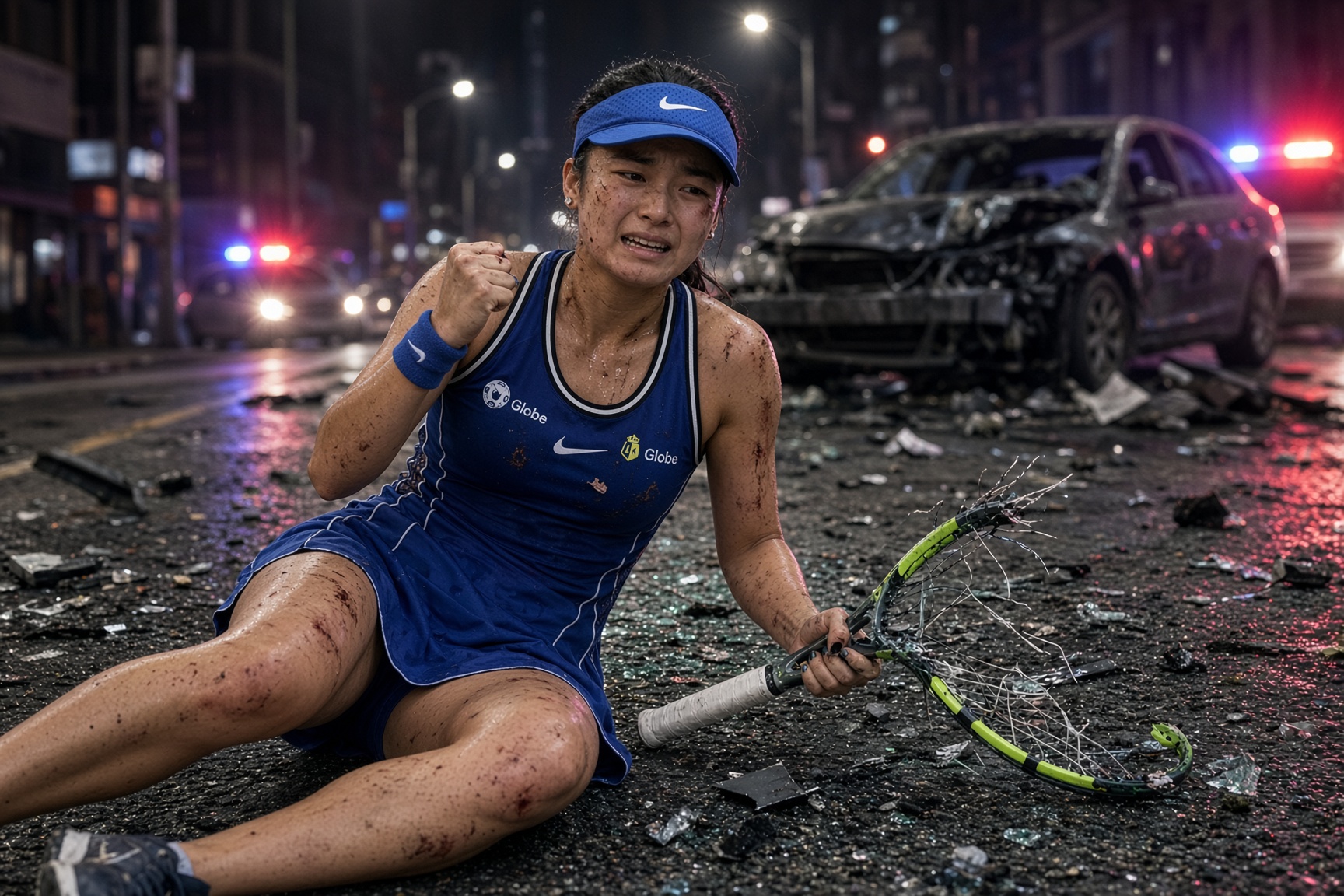
Recently, a wave of sensationalized social media posts circulated across digital channels claiming that Eala was “reportedly absent from the final match on the US Open court” due to a “heartbreaking” undisclosed emergency. Accompanied by truncated cliffhangers (“In fact, she has been…”), these posts directed users to external, ad-heavy web pages promising dramatic reveals.
An examination of official WTA tournament dockets, International Tennis Federation (ITF) records, and established Grand Slam scheduling protocols confirms that these viral posts are pure digital fabrications. Deconstructing how these specific false narratives are engineered provides vital insight into the mechanics of algorithmic engagement, the structural realities of elite tennis development, and the necessity of objective sports reporting.
The Structural Mechanics of Curiosity-Gap Clickbait
The viral campaign targeting Alex Eala relies on a well-established blueprint utilized by content farms to capture high-volume search traffic across emerging sports markets. In nations with passionate, digitally active fanbases, the accomplishments of national athletes generate immense emotional investment and search velocity.
Content monetization networks exploit this phenomenon through specific manipulative strategies:
-
Manipulative Urgency and Temporal Anchoring: Prefacing headlines with alarmist phrases such as “RIGHT NOW” or “BREAKING” induces immediate public concern, driving users to seek instant clarification.
-
The Curiosity-Gap Cliffhanger: Utilizing incomplete sentences and vague emotional descriptors (“heartbreaking reason,” “in fact, she has been…”) forces the reader to click an external link to satisfy the artificial narrative suspense.
-
Fabricated Grand Slam Framing: Conflating routine tournament elimination, training blocks, or standard qualifying round outcomes with dramatic “absences from the final match” creates a false sense of institutional crisis or personal tragedy.
Digital forensics analysts tracking these automated operations note that the underlying links rarely contain genuine sports reporting. Instead, users are funneled through a network of redirected domains designed to generate programmatic ad impressions, collect personal tracking data, or promote unauthorized third-party services. The athlete’s name and image serve merely as bait within an automated monetized digital funnel.
The Reality of Professional Tennis Progression vs. Viral Mythmaking
To understand the absurdity of claims surrounding an athlete’s “mysterious absence” from a Grand Slam final, one must examine the rigorous, highly regulated structure of professional tennis competition.
In professional tennis, participation in a Grand Slam main draw or final match is governed entirely by objective ranking metrics, entry lists, and multi-round elimination draws managed by the ITF and the respective Grand Slam host organizations. Entry into a Grand Slam final requires winning six to seven consecutive matches against top-tier global opponents over a two-week period.
For a young professional transitioning from elite junior competition to the senior WTA Tour, the athletic development process involves a deliberate, multi-year progression:
-
WTA Ranking Acquisition: Athletes build their world ranking by competing across ITF World Tennis Tour events and WTA 125/250 tournaments to secure direct entry or qualifying draw spots at Grand Slams.
-
Qualifying Rounds: Non-seeded or lower-ranked players must navigate grueling three-round qualifying tournaments just to earn a place in the 128-player main draw.
-
Scheduled Rest and Physical Periodization: Professional players routinely plan their tournament calendars months in advance, incorporating planned training blocks and recovery periods that may involve skipping specific events to prevent overuse injuries.
When an athlete does not appear in a Grand Slam final, it is not the result of a secret “disappearance” or suppressed scandal; it is the natural outcome of a highly competitive, single-elimination tournament structure where only two players out of a global field reach the championship match. Framing standard tour scheduling or early-round results as a “heartbreaking mystery” misrepresents the fundamental operational realities of elite professional sport.
The Human and Reputational Toll on Rising Athletes
While clickbait operators treat sensationalized headlines as harmless digital engagement tools, the real-world impact on young athletes, their families, and their management teams is substantial.
For emerging sports figures like Alex Eala—who carry the hopes of an entire nation as trailblazers in a historically Western-dominated sport—navigating viral misinformation adds an unnecessary layer of public distraction. Unfounded rumors regarding sudden physical breakdowns, undisclosed illness, or career-threatening crises can create unwarranted distress among supporters, distract from focused athletic preparation, and complicate commercial brand partnerships.
Sports management professionals emphasize that maintaining narrative control against automated clickbait requires constant vigilance. Athletic organizations and athlete representatives are increasingly forced to dedicate resources to issuing public clarifications, debunking online hoaxes, and directing fans toward verified official channels.
Media Literacy and the Verification of Sports Journalism
The proliferation of manufactured sports stories highlights the critical need for heightened media literacy among sports consumers in the digital age. In an environment where social media algorithms prioritize emotional engagement over factual accuracy, fans must evaluate news through established journalistic standards.
Authentic sports coverage relies on verifiable primary sources:
-
Official Governing Body Releases: Tournament schedules, match results, and medical withdrawals are formally published in real time by the WTA, ATP, ITF, and official Grand Slam media portals.
-
Accredited Press Conferences: Player quotes and physical status updates are documented through official post-match press briefings and verified broadcast interviews.
-
Direct Athlete Communications: Official statements regarding health, scheduling, or career decisions are disseminated directly through verified athlete social media accounts or official agency press releases.
By cross-referencing sensational headlines against certified tournament dockets, sports consumers can easily distinguish between genuine athletic news and predatory digital clickbait.
Protecting the Integrity of Athletic Achievement
The ongoing journey of Alex Eala represents a historic milestone for Asian tennis and a testament to years of disciplined training at world-class academies. Transforming the rigorous, step-by-step reality of elite athletic development into sensationalized internet fiction diminishes the actual hard work, tactical progress, and genuine achievements of young competitors.
By rejecting viral clickbait and demanding verifiable facts, fans, media organizations, and the broader sports community can foster a public environment grounded in truth, respect, and authentic athletic appreciation—ensuring that the achievements of rising champions are celebrated for what they truly are, rather than exploited for digital profit.