How to Grow Lemon Successfully – A Complete Guide to Fresh and Fragrant Citrus Harvests
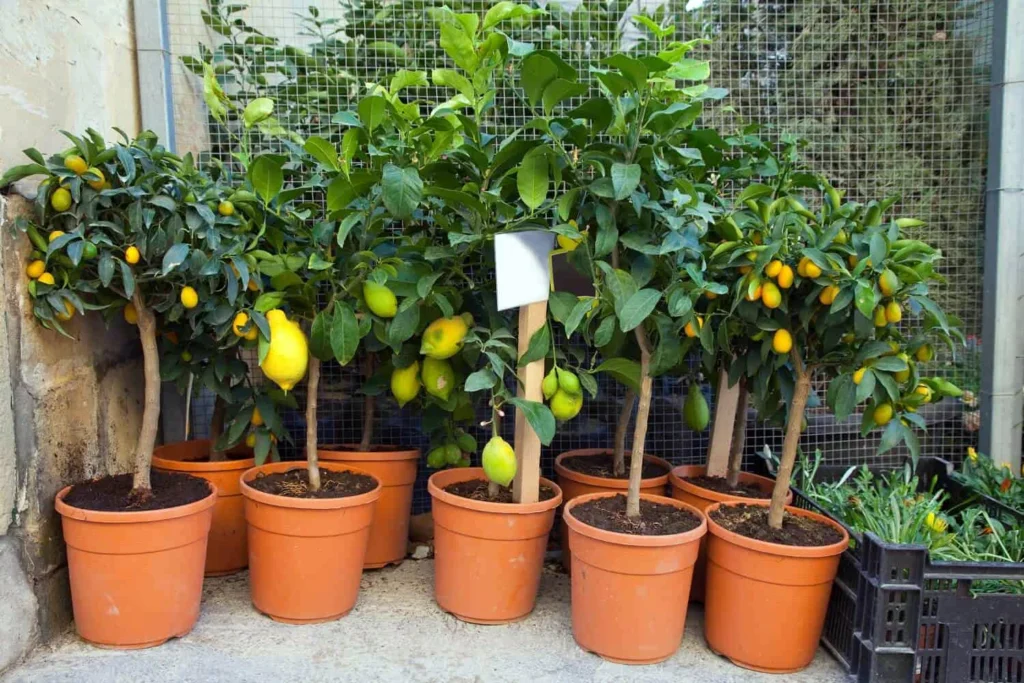
Lemon is one of the most popular citrus fruits grown worldwide. Known for its refreshing acidity, fragrant peel, and wide culinary uses, lemon is a valuable addition to home gardens. From beverages and desserts to cooking and natural cleaning solutions, lemons are incredibly versatile. With proper care, a lemon tree can produce fruit for many years, whether planted in the ground or grown in containers. This comprehensive guide explains how to grow lemon successfully from planting to harvest.
Understanding Lemon Growing Conditions
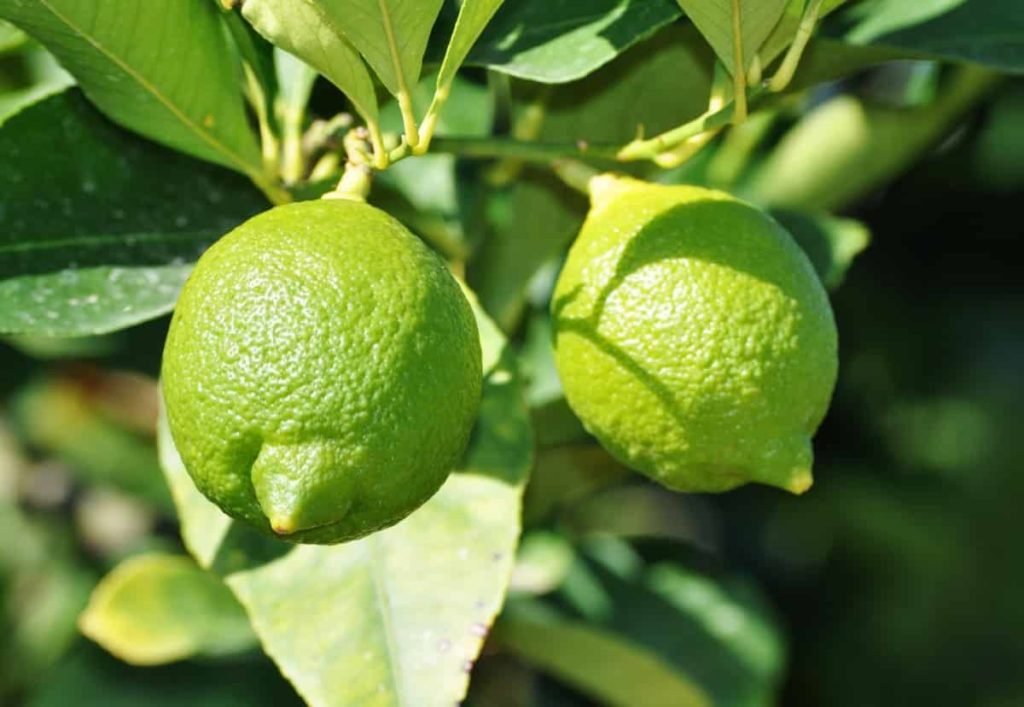
Lemon trees thrive in warm, sunny climates with temperatures between 20°C and 30°C. They prefer mild winters and warm summers. While mature trees can tolerate brief cold periods, temperatures below 0°C can damage leaves, flowers, and fruit.
Full sunlight is essential for healthy growth and fruit production. Lemon trees require at least six to eight hours of direct sunlight daily. Insufficient light reduces flowering and fruit quality.
Lemon trees are evergreen and can bloom multiple times per year under favorable conditions.
Choosing the Right Lemon Variety
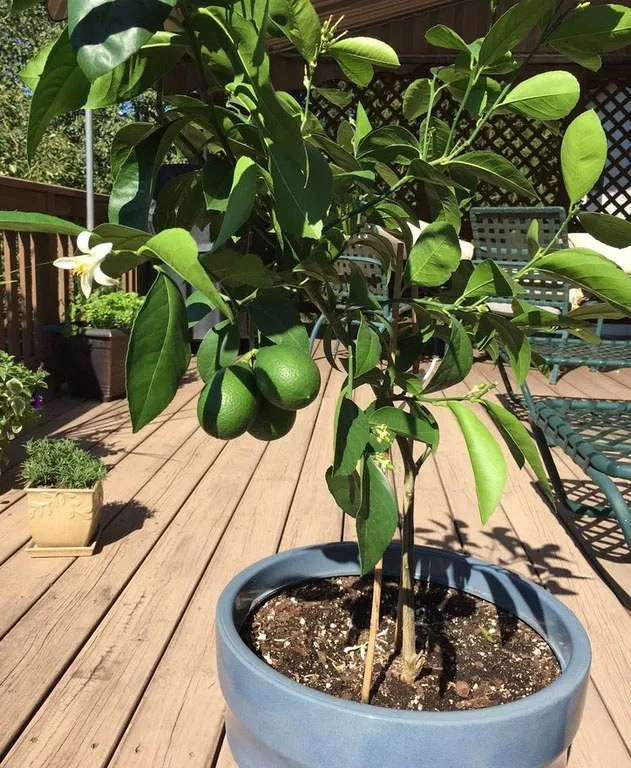
There are several lemon varieties suited to different climates and garden sizes. Some varieties are more cold-tolerant, while others are ideal for container growing.
For home gardeners, grafted lemon trees are highly recommended. Grafted trees begin producing fruit within two to three years, while seed-grown trees may take much longer and may not produce consistent fruit quality.
Dwarf varieties are especially suitable for small gardens and container cultivation.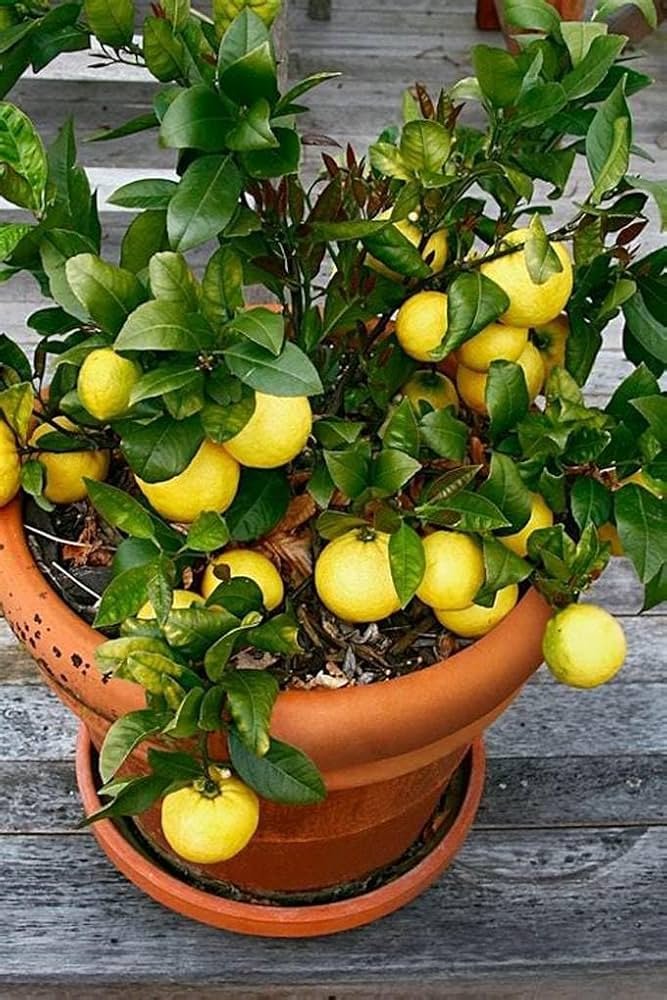
Selecting the Ideal Location
Choose a sunny, sheltered location protected from strong winds. Good air circulation is important to reduce fungal disease risk.
Space trees at least 3 to 5 meters apart to allow canopy development and sunlight penetration.
If growing in containers, place the pot in a bright location such as a patio, balcony, or near a sunny window.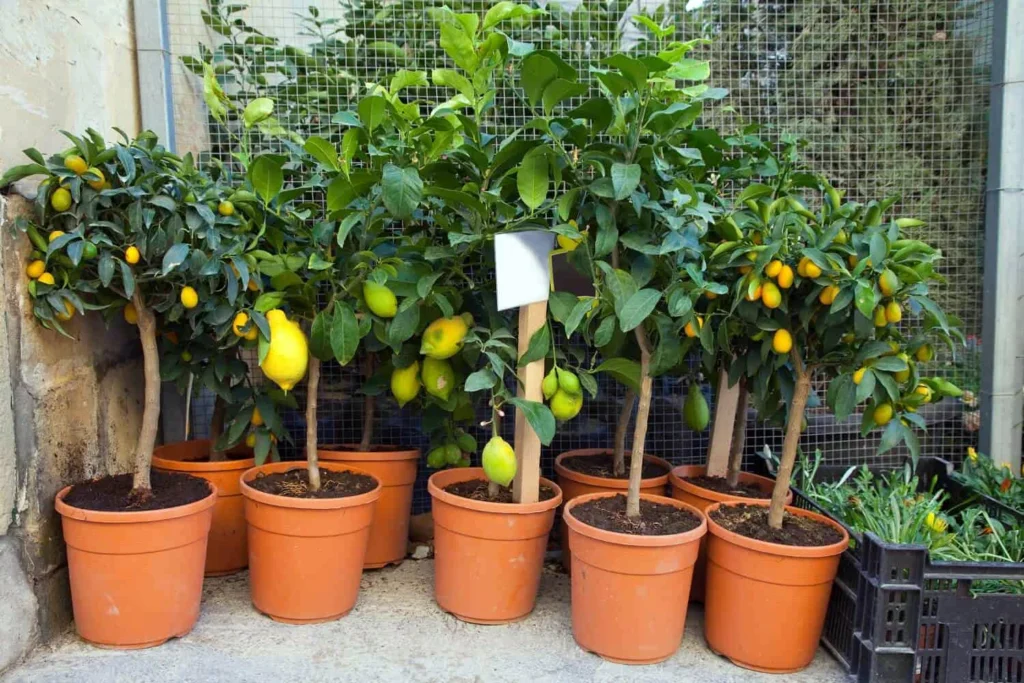
Preparing the Soil
Lemon trees require well-draining soil with a slightly acidic to neutral pH between 5.5 and 7.0.
Before planting, dig a hole twice as wide as the root ball and slightly shallower than its height. Mixing compost into the soil improves structure and nutrient availability.
Good drainage is critical, as citrus roots are highly sensitive to waterlogging.
For container growing, use high-quality citrus potting mix and ensure the pot has adequate drainage holes.
Planting Lemon
To plant a lemon tree:
-
Remove the tree carefully from its container.
-
Place it in the prepared hole at the same depth as previously growing.
-
Backfill with soil and gently firm around the base.
-
Water thoroughly after planting.
Apply mulch around the base to conserve moisture and regulate soil temperature, but keep mulch away from the trunk.
Watering Requirements
Young lemon trees require regular watering to establish strong roots. Water deeply once or twice per week, depending on climate and soil conditions.
The soil should remain evenly moist but not soggy. Overwatering can cause root rot and yellowing leaves.
During flowering and fruit development, consistent moisture improves fruit size and quality.
Reduce watering slightly during cooler months.
Fertilizing for Healthy Growth
Lemon trees are moderate feeders and benefit from regular fertilization. Apply citrus-specific fertilizer three to four times per year during the growing season.
Nitrogen promotes leafy growth, while potassium supports fruit development and quality.
Micronutrients such as magnesium and iron are also important. Yellowing leaves may indicate nutrient deficiency.
Organic compost or well-rotted manure can be applied annually to improve soil fertility.
Pruning and Maintenance
Pruning helps maintain tree shape and improve air circulation. Remove dead, damaged, or crossing branches regularly.
Light pruning after harvest encourages new growth and future flowering.
For container-grown trees, pruning helps control size and promote balanced growth.
Remove any suckers growing below the graft union, as they may reduce fruit quality.
Flowering and Fruit Development
Lemon trees produce fragrant white blossoms that attract pollinators. In warm climates, flowering can occur multiple times per year.
Fruit typically takes several months to mature after flowering. Consistent watering and fertilization during this period support healthy development.
Some fruit drop is natural as the tree regulates its crop load.
Pest and Disease Management
Common lemon pests include aphids, scale insects, and citrus leaf miners. Inspect trees regularly and treat infestations early using organic pest control methods.
Fungal diseases may occur in humid conditions. Proper spacing, pruning, and avoiding overhead watering reduce disease risk.
Maintain garden hygiene by removing fallen leaves and fruit.
Harvesting Lemon
Lemons are ready to harvest when fully colored and firm to the touch. Fruit size and color depend on variety.
Cut fruit from the branch using pruning shears rather than pulling to avoid damaging the tree.
Unlike some fruits, lemons can remain on the tree for a period after ripening without losing quality.
Conclusion
Growing lemon successfully requires full sunlight, well-draining soil, consistent watering, and regular fertilization. With proper pruning and pest management, lemon trees can provide fragrant blossoms and fresh fruit for many years. Whether grown in gardens or containers, lemon trees are both ornamental and productive. By following these guidelines, you can enjoy a healthy tree and a steady supply of fresh, homegrown lemons season after season.