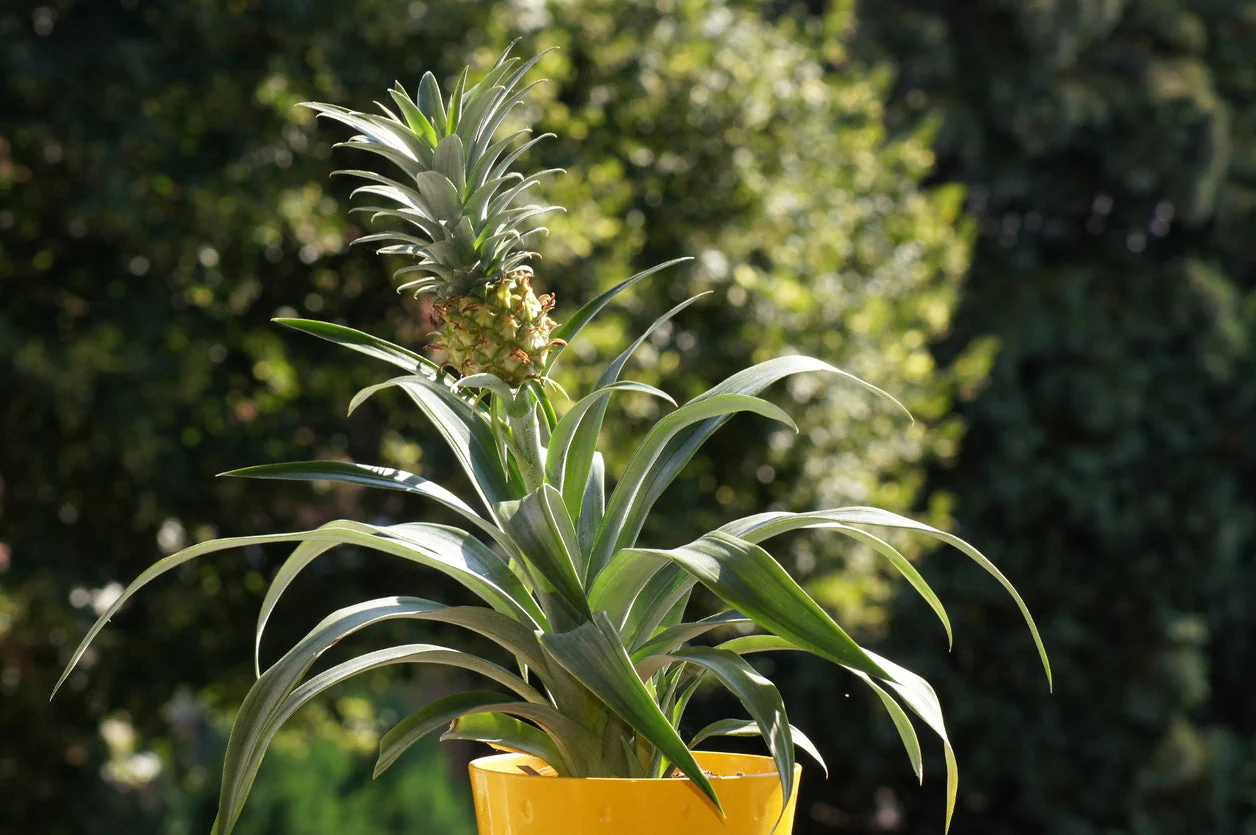
How to Grow Pineapple Successfully – A Complete Guide to Sweet Tropical Harvests
Pineapple is a tropical fruit loved for its sweet, juicy flavor and refreshing aroma. Unlike many fruits that grow on trees or vines, pineapple grows from a low, herbaceous plant that produces a single fruit at its center. Pineapples are surprisingly easy to grow at home, especially in warm climates, and can even be cultivated in containers indoors with sufficient light. With patience and proper care, gardeners can enjoy homegrown pineapples that are sweeter and more flavorful than store-bought varieties. This complete guide explains how to grow pineapple successfully from planting to harvest.
Understanding Pineapple Growing Conditions
Pineapples thrive in warm, tropical, and subtropical climates with temperatures between 20°C and 32°C. They are sensitive to frost and prolonged cold weather. Temperatures below 10°C can slow growth, while frost may permanently damage the plant.
Full sunlight is essential for strong growth and fruit production. Pineapple plants require at least six to eight hours of direct sunlight daily. Insufficient light results in slow growth and smaller fruit.
Pineapples are drought-tolerant once established but perform best with moderate, consistent moisture.
Choosing a Pineapple Planting Method
Pineapples can be grown from three main sources:
-
The crown of a fresh pineapple fruit
-
Slips (shoots growing beneath the fruit)
-
Suckers (shoots growing from the base of the plant)
For home gardeners, planting the crown from a store-bought pineapple is the easiest and most common method.
Preparing the Crown for Planting
To grow pineapple from a crown:
-
Twist off the leafy crown from a ripe pineapple fruit.
-
Remove a few lower leaves to expose the stem.
-
Allow the base to dry for one to two days to prevent rot.
-
Optionally, root the crown in water before transferring to soil.
Drying the crown reduces the risk of fungal infection.
Selecting the Ideal Location
Choose a sunny location with excellent drainage. Pineapples do not tolerate waterlogged soil.
If growing outdoors, select a sheltered area protected from strong winds.
For container growing, use a pot at least 20 to 30 centimeters wide with drainage holes. Place the container in a sunny location such as a patio, balcony, or near a bright window.
Preparing the Soil
Pineapples prefer light, well-draining soil with a slightly acidic pH between 4.5 and 6.5.
A sandy loam mix enriched with compost works well. Avoid heavy clay soils that retain excess water.
If planting in containers, use a cactus or succulent potting mix for better drainage.
Planting Pineapple
To plant the crown:
-
Dig a shallow hole deep enough to cover the exposed stem.
-
Place the crown upright in the soil.
-
Firm the soil gently around the base.
-
Water lightly after planting.
Ensure the crown sits securely but avoid burying it too deeply.
Roots typically develop within several weeks.
Watering Requirements
Pineapples require moderate watering. Water thoroughly but allow the soil to dry slightly between waterings.
Overwatering is a common mistake and can cause root rot. Ensure proper drainage at all times.
Unlike many plants, pineapples absorb some moisture through their central leaf cup. However, avoid letting water sit there for long periods to prevent rot.
Reduce watering during cooler seasons.
Fertilizing for Healthy Growth
Pineapples benefit from regular feeding during the growing season. Apply a balanced fertilizer every two to three months.
Nitrogen supports leafy growth, while potassium encourages fruit development.
Organic compost or diluted liquid fertilizer can also be used.
Avoid excessive fertilization, which may delay flowering.
Encouraging Flowering
Pineapple plants typically take 18 to 24 months to produce fruit. Flowering occurs once the plant reaches maturity.
In warm climates, flowering happens naturally. In some cases, gardeners can stimulate flowering by placing a ripe apple near the plant and covering both with plastic for several days. The ethylene gas released by the apple can encourage blooming.
Fruit Development
After flowering, the fruit begins forming at the center of the plant. Fruit development takes about five to six months.
Continue consistent watering and light fertilization during this stage.
The plant produces only one main fruit, but it may develop side shoots afterward.
Pest and Disease Management
Pineapples are relatively resistant to pests. Occasionally, mealybugs or scale insects may appear. Remove them manually or treat with mild insecticidal soap.
Fungal diseases can occur in poorly drained soil. Ensuring proper drainage and avoiding overwatering prevents most problems.
Harvesting Pineapple
Pineapple is ready to harvest when the fruit turns golden yellow and emits a sweet aroma.
Cut the fruit from the plant using a sharp knife. Avoid pulling, as this may damage the plant.
After harvesting, the main plant will not produce another fruit, but it may produce suckers that can be replanted.
Conclusion
Growing pineapple successfully requires warm temperatures, full sunlight, and well-draining soil. With moderate watering, occasional fertilization, and patience, pineapple plants can reward gardeners with sweet, tropical fruit. Whether grown in gardens or containers, pineapples are both ornamental and productive. By following these guidelines, you can cultivate a healthy plant and enjoy fresh, homegrown pineapple harvested at peak ripeness.