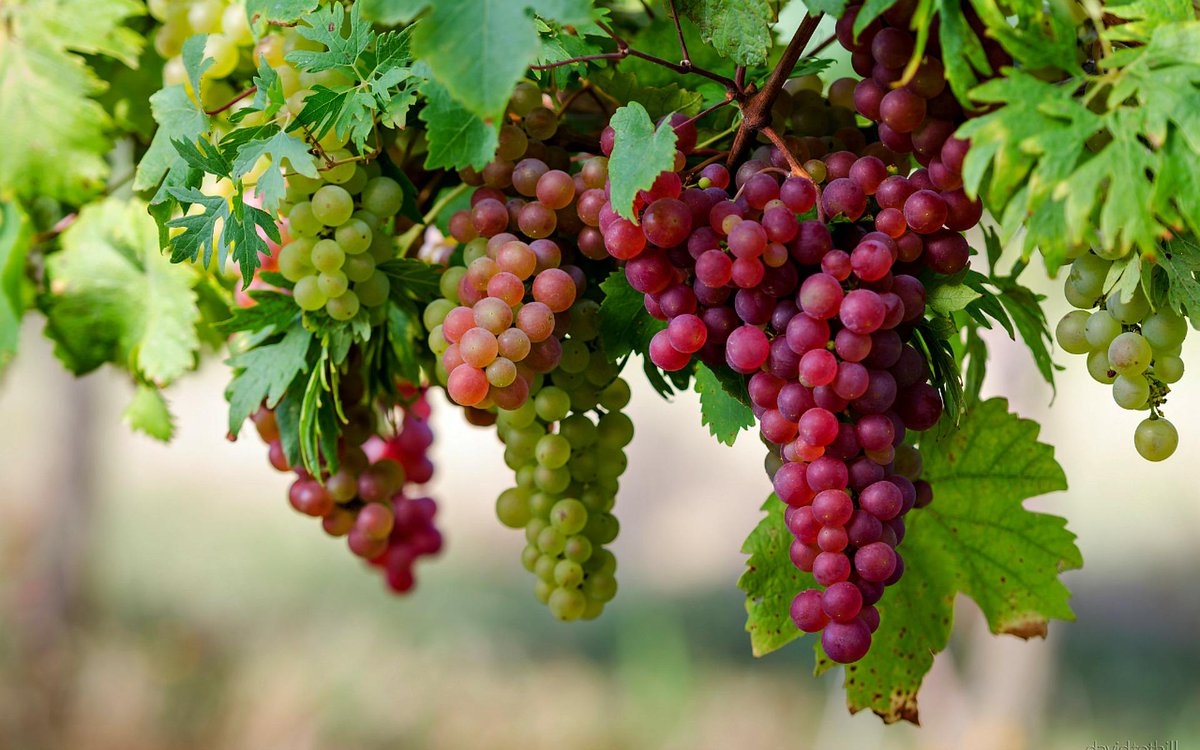
How to Grow Grapes Successfully – A Complete Guide to Sweet and Productive Vines
Grapes are one of the oldest cultivated fruits in the world, valued for fresh eating, juice, raisins, and winemaking. With their vigorous growth and attractive vines, grape plants are both productive and ornamental. Growing grapes at home can be highly rewarding, but success requires proper pruning, sunlight, and seasonal care. Once established, grapevines can produce fruit for decades. This complete guide explains how to grow grapes successfully from planting to harvest.
Understanding Grape Growing Conditions
Grapes thrive in temperate climates with warm summers and cool winters. They require a period of winter dormancy to produce fruit effectively. Ideal growing temperatures during the active season range between 20°C and 32°C.
Full sunlight is essential for grape production. Grapevines need at least seven to eight hours of direct sunlight daily. Insufficient sunlight results in poor fruit development and reduced sweetness.
Good air circulation is important to prevent fungal diseases, especially in humid climates.
Choosing the Right Grape Variety
There are three main types of grapes: table grapes, wine grapes, and seedless varieties. Table grapes are best for fresh eating, while wine grapes are grown for juice and wine production.
Choose a variety suited to your local climate. Some grapes tolerate cold winters, while others prefer warmer regions.
Purchase certified disease-free plants from reputable nurseries for best results.
Selecting the Ideal Location
Choose a sunny location with well-draining soil. Grapes do not tolerate waterlogged conditions.
Plant vines along fences, trellises, pergolas, or dedicated support systems. Grapevines need strong support structures because they grow vigorously.
Avoid planting in low areas where cold air collects, as frost can damage young shoots.
Preparing the Soil
Grapes prefer well-draining soil with a slightly acidic to neutral pH between 5.5 and 7.0.
Before planting, loosen the soil to a depth of at least 30 to 40 centimeters. Mix in compost to improve fertility and soil structure.
Avoid overly rich soil, as excessive nutrients may encourage leaf growth instead of fruit production.
Planting Grapevines
Plant grapevines in early spring while they are still dormant.
To plant:
-
Dig a hole large enough to spread the roots comfortably.
-
Position the vine at the same depth it was previously growing.
-
Backfill with soil and firm gently.
-
Water thoroughly after planting.
Space vines about 1.5 to 3 meters apart, depending on variety and support system.
Install a trellis or support structure at planting time.
Watering Requirements
Young grapevines require regular watering during their first growing season. Keep the soil evenly moist but not soggy.
Once established, grapevines are relatively drought-tolerant. However, consistent watering during flowering and fruit development improves fruit size and yield.
Avoid overhead watering, which can encourage fungal diseases.
Fertilizing for Healthy Growth
Grapevines require moderate fertilization. Apply a balanced fertilizer in early spring before new growth begins.
Avoid excessive nitrogen, as it promotes leafy growth at the expense of fruit production.
Compost applied annually can improve soil fertility naturally.
Pruning and Training
Pruning is the most important practice for successful grape growing. Grapes produce fruit on new shoots that grow from one-year-old wood.
Prune vines during winter dormancy to remove old wood and encourage productive growth.
Training vines along trellises improves sunlight exposure and air circulation.
Without proper pruning, vines become overgrown and produce less fruit.
Flowering and Fruit Development
Grapevines produce small clusters of flowers in spring. These flowers are usually self-pollinating, meaning they do not require additional plants for fruit set.
After pollination, small green berries begin to form. Continue consistent watering and avoid excessive fertilization during this stage.
As fruit matures, reduce watering slightly to enhance sweetness.
Pest and Disease Management
Common grape pests include aphids, spider mites, and birds. Use protective netting to prevent birds from eating ripening fruit.
Fungal diseases such as powdery mildew and downy mildew are common in humid conditions. Proper spacing, pruning, and air circulation help reduce risk.
Inspect vines regularly and remove any diseased leaves or fruit promptly.
Harvesting Grapes
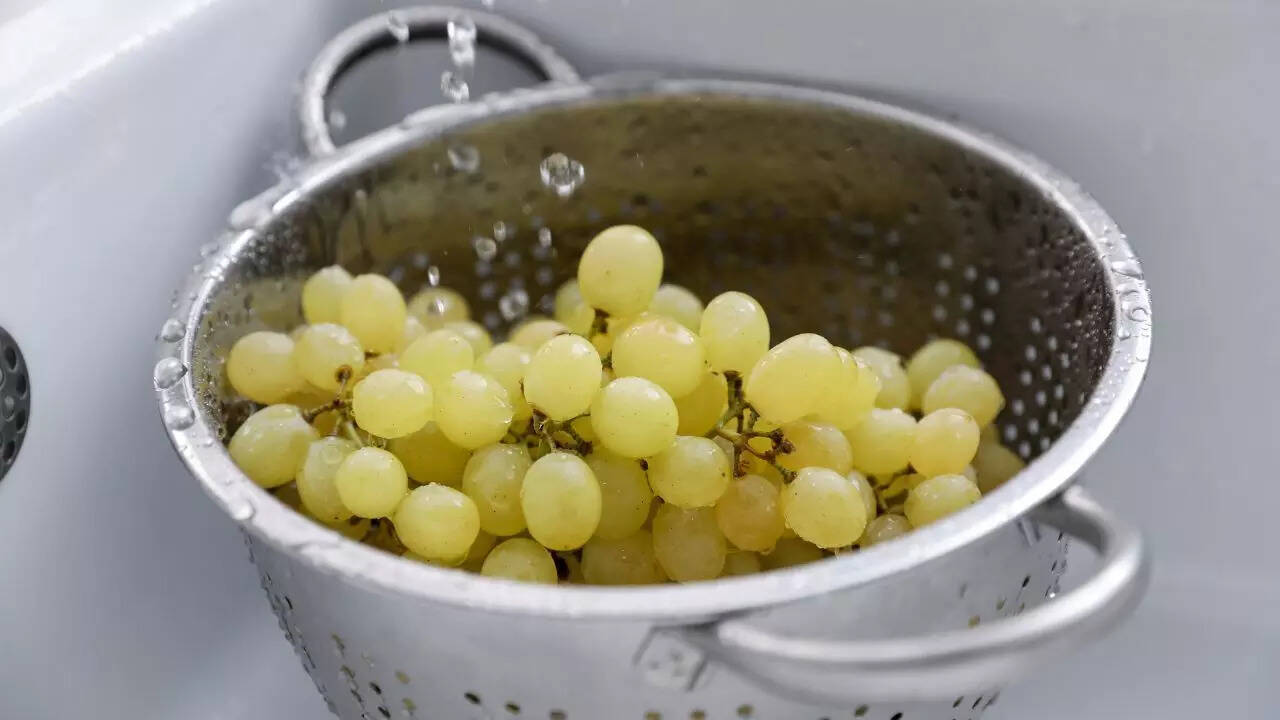
Grapes are ready to harvest when they reach full color and sweetness. Unlike some fruits, grapes do not continue ripening after being picked.
Taste-testing is the best way to determine ripeness.
Use sharp scissors or pruning shears to cut clusters from the vine carefully.
Handle grapes gently to avoid bruising.
Maintaining Grapevines
After harvest, continue watering lightly until leaves fall naturally. In autumn, vines enter dormancy.
Apply mulch in colder regions to protect roots during winter.
With proper pruning and care, grapevines can remain productive for 20 years or more.
Conclusion
Growing grapes successfully requires full sunlight, well-draining soil, consistent pruning, and seasonal care. Although grapevines require attention, especially during pruning season, they reward gardeners with abundant clusters of sweet fruit year after year. By providing strong support structures, balanced nutrition, and good disease management, you can cultivate healthy grapevines and enjoy fresh, homegrown grapes straight from your garden.