How to Grow Apples Successfully – A Complete Guide to Crisp and Flavorful Harvests
Apples are among the most widely cultivated and beloved fruits in the world. Known for their crisp texture, refreshing flavor, and nutritional value, apples can be eaten fresh, baked into desserts, or pressed into juice and cider. Growing apple trees at home is both rewarding and practical, especially in temperate climates where they thrive. With proper selection, pruning, and seasonal care, apple trees can produce abundant harvests for many years. This comprehensive guide explains how to grow apples successfully from planting to harvest.
Understanding Apple Growing Conditions
Apple trees grow best in temperate climates with distinct seasons. They require a period of winter chill to produce flowers and fruit effectively. Ideal growing temperatures during the active season range between 18°C and 30°C.
Apples need full sunlight for optimal fruit production. A minimum of six to eight hours of direct sunlight daily is recommended. Insufficient sunlight reduces fruit size and sweetness.
Good air circulation is essential to minimize fungal diseases, which are common in apple orchards.
Choosing the Right Apple Variety
There are hundreds of apple varieties, each with different flavors, textures, and ripening times. Some varieties are sweet, while others are tart or balanced.
When selecting a variety, consider your local climate and chilling hour requirements. Some apples require long cold winters, while others are adapted to milder regions.
Most apple trees require cross-pollination from another compatible variety to produce fruit. Planting at least two different varieties that bloom at the same time improves fruit set.
Dwarf and semi-dwarf varieties are ideal for small gardens, as they are easier to manage and harvest.
Selecting the Ideal Location
Choose a sunny location with well-draining soil. Avoid low areas where cold air and frost may accumulate.
Space standard apple trees about 5 to 6 meters apart. Dwarf trees can be spaced closer, approximately 2 to 3 meters apart.
Ensure the site allows good air movement to reduce disease risk.
Preparing the Soil
Apple trees prefer well-draining soil with a slightly acidic pH between 6.0 and 7.0.
Before planting, dig a hole twice as wide as the root ball and slightly shallower than its depth. Loosen surrounding soil to encourage root expansion.
Mix compost into the soil to improve fertility and structure.
Avoid planting too deeply, as this may cause poor growth.
Planting Apple Trees
Plant apple trees in early spring or late autumn while they are dormant.
To plant:
-
Position the tree so the graft union remains above soil level.
-
Spread the roots gently.
-
Backfill with soil and firm lightly.
-
Water thoroughly after planting.
Stake young trees if necessary to protect them from strong winds.
Apply mulch around the base to conserve moisture and suppress weeds, keeping it away from the trunk.
Watering Requirements
Young apple trees require consistent watering during the first few years. Water deeply once per week, depending on rainfall and soil conditions.
Mature trees are more drought-tolerant but benefit from regular watering during flowering and fruit development.
Avoid overwatering, as soggy soil can lead to root diseases.
Fertilizing for Healthy Growth
Apply a balanced fertilizer in early spring before new growth begins.
Nitrogen promotes vegetative growth, but excessive nitrogen can reduce fruit production.
Compost applied annually helps maintain soil fertility naturally.
Monitor leaf color and growth to adjust fertilization as needed.
Pruning and Training
Pruning is essential for apple tree health and productivity.
Prune trees during winter dormancy to remove dead, damaged, or crossing branches.
Training young trees to an open-center or central-leader shape improves sunlight penetration and air circulation.
Regular pruning encourages strong branch structure and larger fruit.
Flowering and Pollination
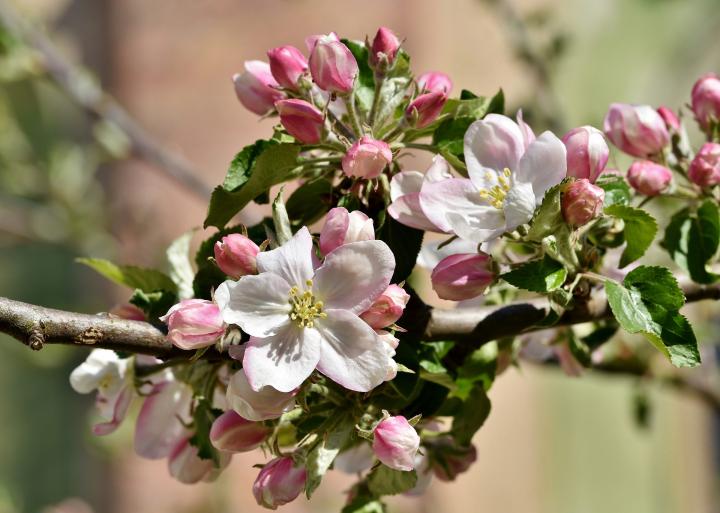
Apple trees produce clusters of blossoms in spring. Bees are essential pollinators.
Ensure compatible varieties are planted nearby for cross-pollination.
Avoid using pesticides during flowering to protect pollinators.
After pollination, small fruits begin to develop. Thin excess fruits early to improve size and quality.
Pest and Disease Management
Common apple pests include aphids, codling moths, and mites. Regular inspection helps detect problems early.
Fungal diseases such as apple scab and powdery mildew are common in humid climates. Proper pruning and good air circulation reduce risk.
Remove fallen leaves and fruit to maintain orchard hygiene.
Harvesting Apples
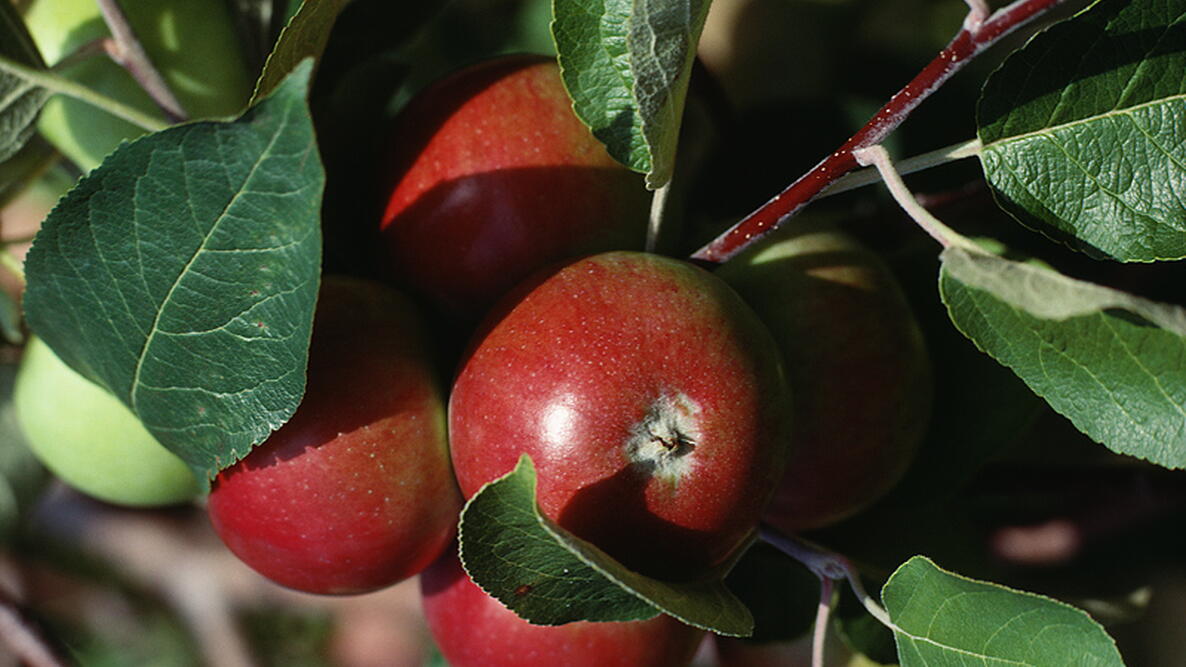
Apples are ready to harvest when they reach full color and detach easily from the branch with a gentle twist.
Taste-testing is the best way to determine ripeness.
Handle fruit carefully to avoid bruising.
Store harvested apples in a cool, dry place to extend shelf life.
Conclusion
Growing apples successfully requires full sunlight, proper pollination, regular pruning, and consistent care. With the right variety selection and seasonal maintenance, apple trees can provide abundant harvests for many years. Although they require attention, especially during pruning and pest management, apples reward gardeners with crisp, flavorful fruit suitable for fresh eating and cooking. By following these guidelines, you can cultivate healthy apple trees and enjoy homegrown apples straight from your garden year after year.