
How to Grow Custard Apple (Sugar Apple) Successfully – A Complete Guide to Sweet and Fragrant Harvests
Custard apple, also known as sugar apple, is a tropical fruit prized for its creamy texture and naturally sweet flavor. The fruit has a green, segmented exterior and soft white flesh inside, often described as custard-like. It is popular in tropical and subtropical regions and can be grown successfully in home gardens with proper care. Custard apple trees are relatively small compared to many fruit trees, making them suitable for medium-sized gardens. This comprehensive guide explains how to grow custard apple successfully from planting to harvest.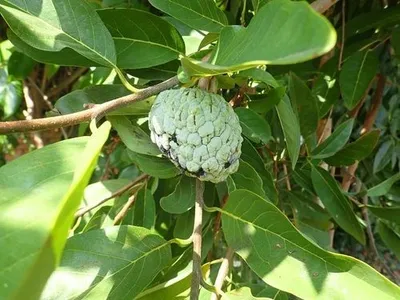
Understanding Custard Apple Growing Conditions
Custard apple thrives in warm tropical and subtropical climates with temperatures between 22°C and 35°C. It prefers hot summers and mild winters. Although mature trees can tolerate short periods of cooler temperatures, frost can severely damage young plants.
Full sunlight is essential for healthy growth and fruit production. Custard apple trees require at least six to eight hours of direct sunlight daily.
The tree performs best in areas with moderate rainfall but can tolerate short dry periods once established.
Choosing the Right Custard Apple Variety
There are several varieties of custard apple, differing in fruit size, sweetness, and seed content. Some varieties produce larger fruits with fewer seeds.
For quicker fruit production and consistent quality, choose grafted plants from reputable nurseries. Grafted trees typically bear fruit within two to three years, while seed-grown trees may take longer.
Select varieties suited to your local climate and growing conditions.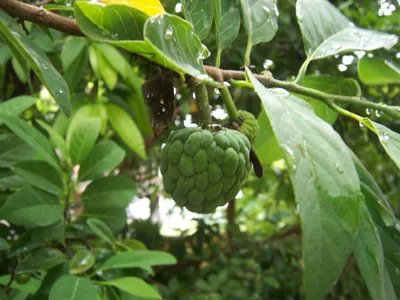
Selecting the Ideal Location
Choose a sunny location with good air circulation. Custard apple trees grow to a moderate height and spread, so allow spacing of at least 4 to 6 meters between trees.
Avoid low-lying areas prone to waterlogging, as the roots are sensitive to excessive moisture.
The tree can also be grown in large containers if space is limited, provided adequate sunlight is available.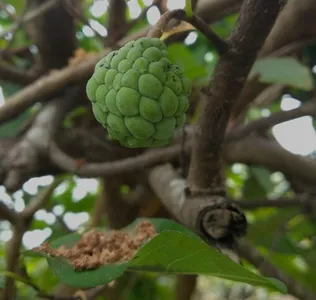
Preparing the Soil
Custard apple prefers well-draining soil with a slightly acidic to neutral pH between 6.0 and 7.5.
Before planting, dig a hole twice as wide as the root ball. Mix compost or well-rotted manure into the soil to improve fertility and structure.
Good drainage is essential. Sandy loam soil works particularly well for custard apple cultivation.
Planting Custard Apple
Plant during the warm season to encourage strong establishment.
To plant:
-
Remove the tree carefully from its container.
-
Place it in the prepared hole at the same depth it was previously growing.
-
Backfill with soil and press gently around the base.
-
Water thoroughly after planting.
Apply mulch around the base to retain moisture and suppress weeds, keeping it away from the trunk.
Watering Requirements
Young custard apple trees require regular watering to establish roots. Water deeply once or twice per week, depending on rainfall and temperature.
Once established, the tree is moderately drought-tolerant. However, consistent watering during flowering and fruit development improves fruit size and quality.
Avoid overwatering, as excessive moisture can cause root rot and reduce fruit production.
Fertilizing for Healthy Growth
Apply a balanced fertilizer three to four times per year during the growing season.
Nitrogen promotes leafy growth, while phosphorus and potassium support flowering and fruit development.
Organic compost applied annually helps maintain soil fertility.
Reduce nitrogen fertilization once flowering begins to encourage better fruit set.
Flowering and Pollination
Custard apple trees produce small, fragrant flowers that open in stages. Pollination can be challenging in some regions because natural pollinators may be limited.
Hand pollination can significantly improve fruit set. Use a small brush to transfer pollen from male to female flowers during early morning or late afternoon.
Proper pollination results in larger, well-formed fruits.
Pruning and Maintenance
Light pruning helps maintain tree shape and improve air circulation. Remove dead, damaged, or overcrowded branches.
Pruning after harvest encourages new growth and future flowering.
Removing excess fruit early can improve the size and quality of remaining fruits.
Pest and Disease Management
Common pests include fruit borers, aphids, and scale insects. Regular inspection helps detect problems early.
Fungal diseases may occur in humid conditions. Proper spacing and good air circulation reduce disease risk.
Maintain garden cleanliness by removing fallen leaves and fruit.
Harvesting Custard Apple
Custard apples are ready to harvest when the segments on the fruit begin to separate slightly and the fruit softens.
The skin may change slightly in color, and the fruit emits a sweet fragrance.
Harvest carefully by cutting the fruit from the tree. Handle gently, as ripe fruits bruise easily.
Allow fruit to soften further at room temperature before consumption.
Conclusion
Growing custard apple successfully requires warm temperatures, full sunlight, well-draining soil, and moderate watering. With balanced fertilization, proper pollination, and light pruning, custard apple trees can produce sweet, creamy fruits for many years. Although some attention is needed during flowering and fruit development, the tree rewards gardeners with delicious tropical harvests. By following these guidelines, you can cultivate a healthy custard apple tree and enjoy fresh, homegrown fruit straight from your garden.