How to Grow Star Apple (Milk Fruit) Successfully – A Complete Guide to Sweet Tropical Harvests
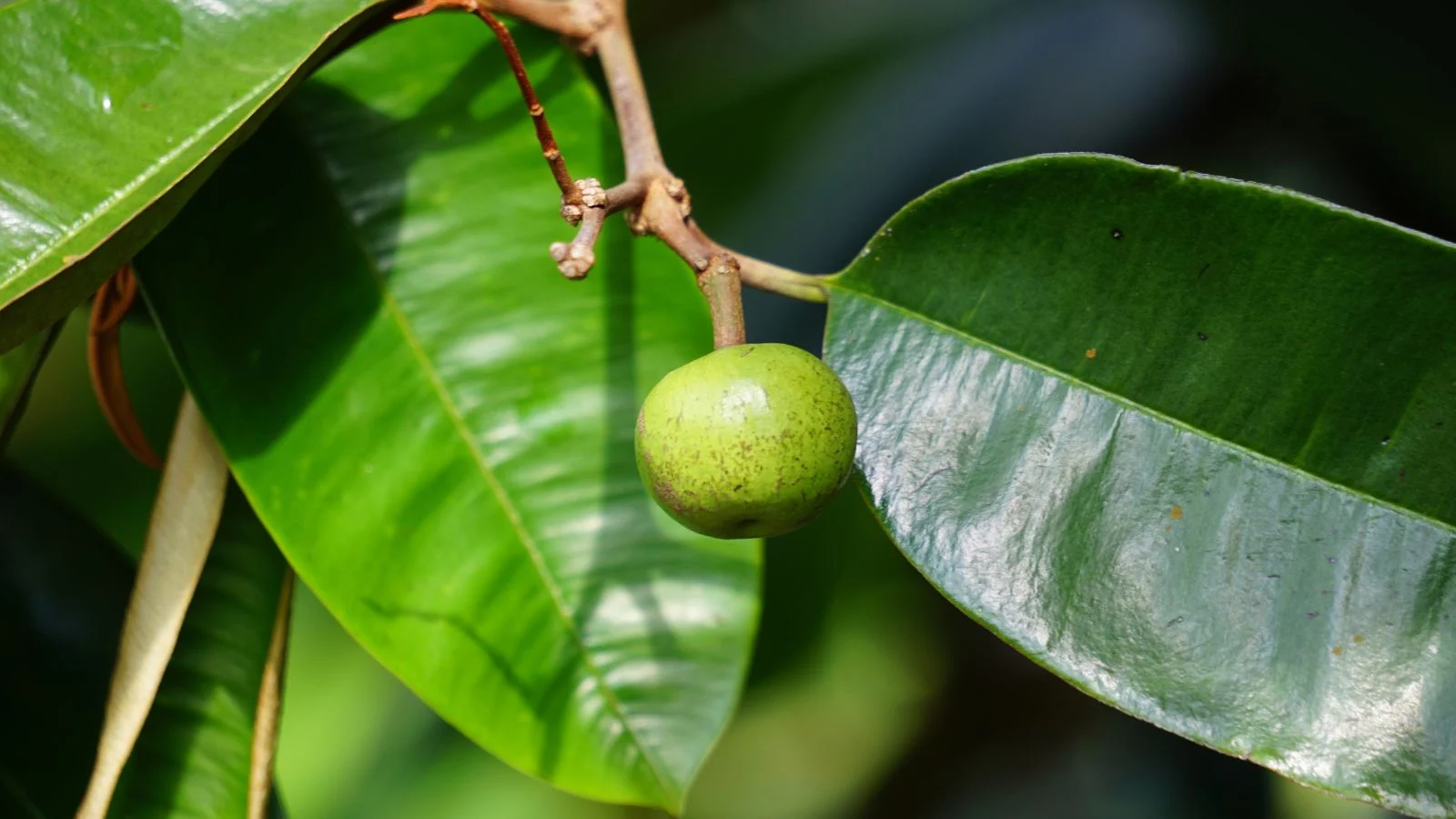
Star apple, commonly known as milk fruit, is a tropical fruit prized for its smooth purple or green skin and sweet, milky flesh. When cut crosswise, the fruit reveals a star-shaped pattern, which gives it its English name. The fruit is highly popular in tropical regions for its unique flavor and refreshing texture. Growing star apple at home can be very rewarding in warm climates, as the tree is attractive, long-lived, and capable of producing abundant harvests. This comprehensive guide explains how to grow star apple successfully from planting to harvest.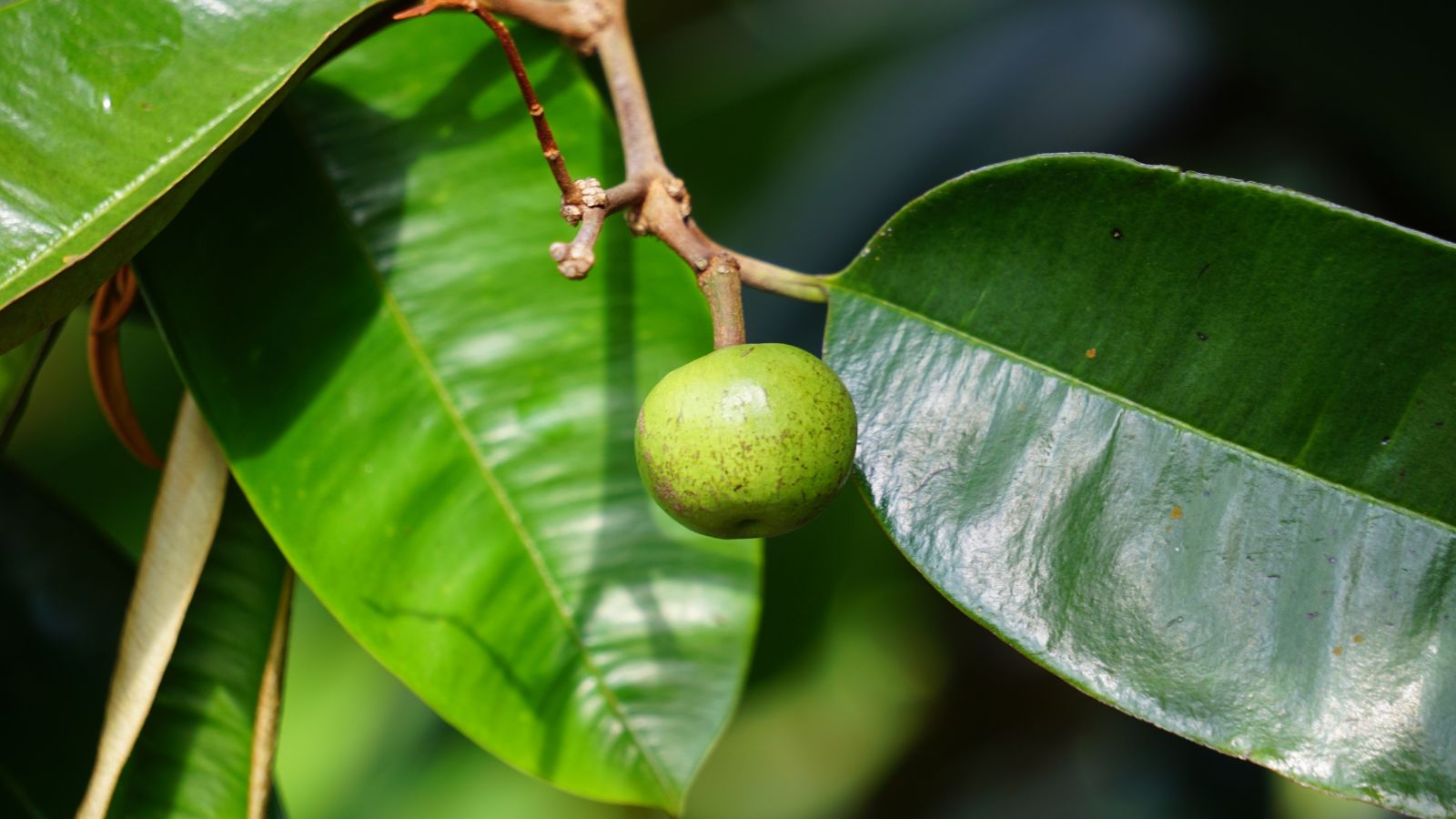
Understanding Star Apple Growing Conditions
Star apple thrives in tropical and subtropical climates with temperatures between 22°C and 35°C. It prefers warm weather year-round and does not tolerate frost. Temperatures below 5°C can severely damage young trees.
The tree requires full sunlight for strong growth and fruit production. At least six to eight hours of direct sunlight daily is recommended.
Star apple performs best in areas with moderate to high rainfall but can tolerate short dry periods once established.
Choosing the Right Star Apple Variety
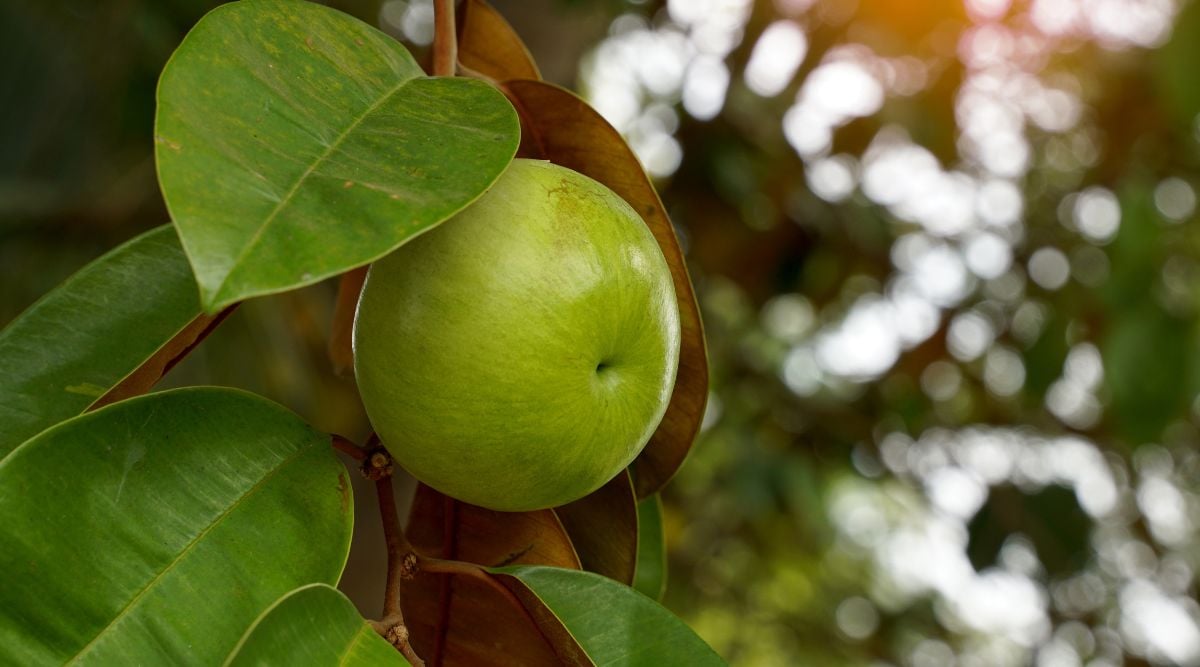
There are two main types of star apple: purple-skinned and green-skinned varieties. Both have sweet flesh, but flavor and texture may vary slightly.
When possible, choose grafted plants from reputable nurseries. Grafted trees typically produce fruit within three to four years, while seed-grown trees may take five to eight years and may not produce fruit identical to the parent tree.
Select varieties suited to your local climate and soil conditions.
Selecting the Ideal Location
Choose a sunny, open location with good air circulation. Star apple trees can grow large, so allow spacing of at least 8 to 10 meters between trees.
Avoid planting in areas prone to waterlogging. Although the tree enjoys moisture, its roots are sensitive to standing water.
If space is limited, young trees can be grown in large containers, though mature trees perform best when planted in the ground.
Preparing the Soil
Star apple prefers well-draining, fertile soil with a slightly acidic to neutral pH between 5.5 and 7.5.
Before planting, dig a hole twice as wide as the root ball and mix compost or well-rotted manure into the soil to improve fertility.
Good drainage is essential to prevent root rot and fungal diseases.

Planting Star Apple
Plant during the warm season to encourage strong establishment.
To plant:
-
Remove the tree carefully from its container.
-
Place it in the prepared hole at the same depth as it was growing previously.
-
Backfill gently and firm the soil around the base.
-
Water thoroughly after planting.
Apply mulch around the tree to retain moisture and suppress weeds, keeping mulch several centimeters away from the trunk.
Watering Requirements
Young star apple trees require regular watering during the first two years. Water deeply once or twice per week, depending on rainfall.
Once established, the tree is moderately drought-tolerant but benefits from consistent watering during flowering and fruit development.
Avoid overwatering, as excessive moisture can damage the roots.
Fertilizing for Healthy Growth
Apply a balanced fertilizer three to four times per year during the growing season.
Nitrogen supports leafy growth, while phosphorus and potassium promote flowering and fruit development.
Organic compost applied annually improves soil fertility and long-term tree health.
Reduce nitrogen levels once the tree begins flowering to encourage better fruit production.
Flowering and Pollination
Star apple trees produce small, fragrant flowers. Pollination is typically carried out by insects.
Fruit set may vary depending on weather conditions and pollinator activity.
Ensuring a healthy garden ecosystem encourages better pollination and improved yields.
Pruning and Maintenance
Light pruning helps maintain tree shape and remove dead or damaged branches.
Prune after harvest to improve air circulation and manage tree height.
Removing overcrowded branches allows sunlight to reach inner parts of the canopy, promoting better fruit quality.
Pest and Disease Management
Common pests include fruit flies, aphids, and scale insects. Inspect trees regularly and treat infestations early.
Fungal diseases may occur in humid climates. Proper spacing, pruning, and avoiding waterlogged soil reduce risk.
Remove fallen fruit and leaves to maintain cleanliness around the tree.
Harvesting Star Apple
Star apples are ready to harvest when the skin turns fully colored and slightly soft to the touch.
Ripe fruit should detach easily from the branch. Harvest carefully to avoid bruising.
Allow fruit to soften slightly at room temperature before eating for the best flavor and texture.
Conclusion
Growing star apple successfully requires warm temperatures, full sunlight, well-draining soil, and moderate watering. With balanced fertilization, light pruning, and proper pest management, star apple trees can produce sweet, refreshing fruit for many years. Although they require space and a frost-free climate, these attractive trees reward gardeners with abundant tropical harvests. By following these guidelines, you can cultivate a healthy star apple tree and enjoy fresh, homegrown milk fruit straight from your garden.