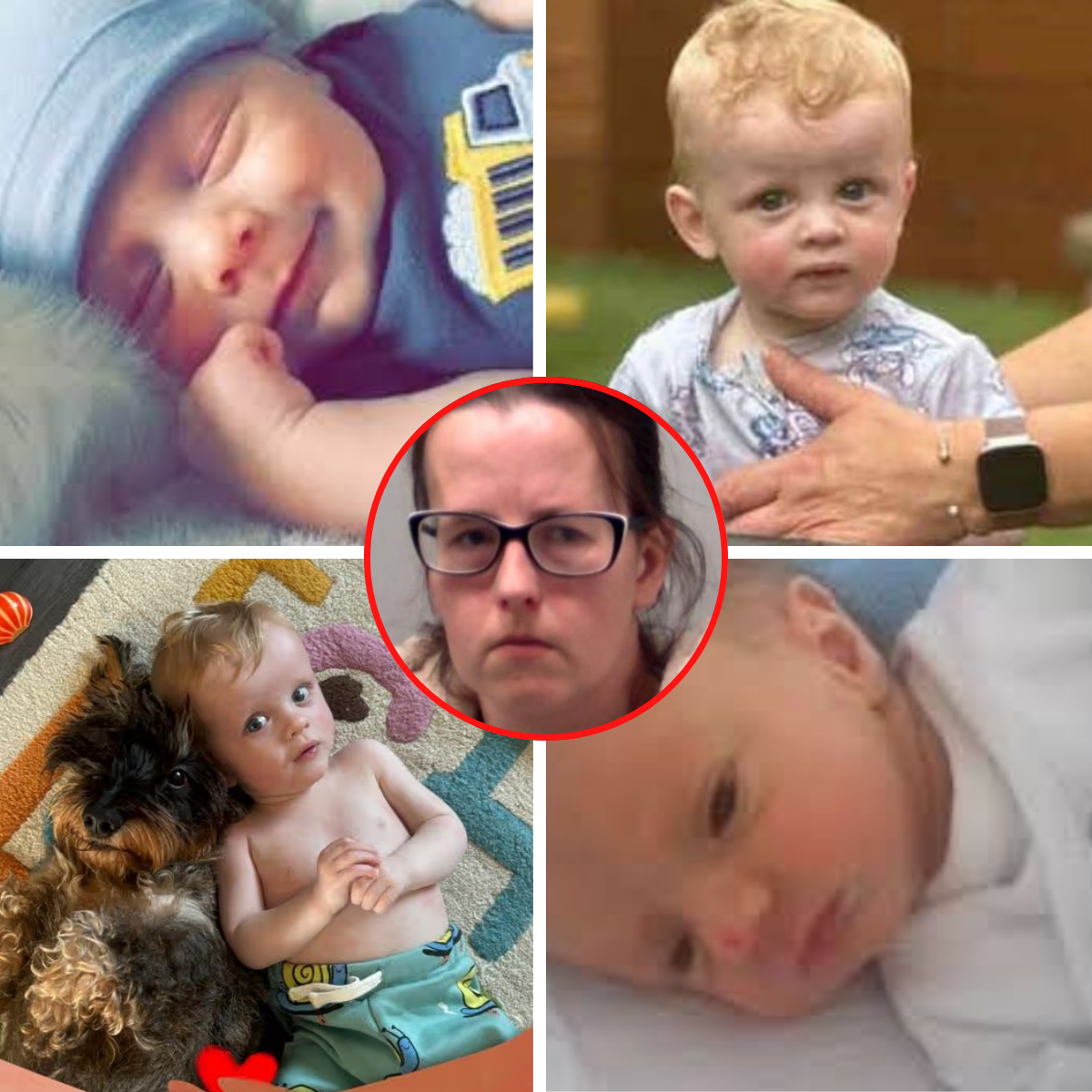
Mother’s Chilling “I Have Killed Him” Confession as Bombshell Probe Reveals Shocking Failures by Social Worker in Charge of Baby Oakley Case
The conviction of Emma Barnett, 36, for the murder of her 14-month-old son Oakley has rocked the East of England — but it is the deepening investigation into systemic failures that is now sending waves of outrage across the nation. What began as a heartbreaking custody case ended in a dusty attic with a mother’s devastating confession, and questions about how the system tasked with protecting vulnerable children could have allowed this horror to unfold.
Police discovered Barnett and her lifeless baby hidden in the loft of their Essex home just hours after a family court ruled that Oakley would be removed from her care. The mother’s own words — “I have killed him” — still send chills down the spine of everyone who has followed the case.
Yet as details from the ongoing probe emerge, a far more disturbing picture is forming. Not only did the tragedy occur while Oakley was supposedly under active social services supervision, but explosive new findings about the key social worker assigned to the family have left the public demanding answers and accountability.

The Final, Terrifying Hours in the Attic
On the day of the critical court hearing, Emma Barnett had picked up medication from a pharmacy. When the judge decided Oakley would be taken into care, Barnett left abruptly and went off the radar. Worried relatives reported her missing.
When officers forced entry into the family home, they found the pair concealed in the cramped, dusty loft space. Through the loft hatch, Barnett first claimed her son was “sleeping.” Then came the horrifying admission that would define the case: “I have killed him.”
Emergency crews rushed in, but it was too late. Oakley was pronounced dead. Forensic evidence later confirmed Barnett had prepared a bottle laced with a fatal mixture of milk and prescription medication and given it to her tiny son.
A jury at Cambridge Crown Court convicted her of murder following a trial that laid bare the desperate and tragic circumstances. Sentencing is set for June 5, 2026.
Shocking Revelations About the Social Worker
What has truly horrified the public is what the post-conviction investigation is uncovering about the social services department responsible for Oakley’s welfare.
The key social worker assigned to the Barnett family — whose name is being protected for legal reasons but is now under intense scrutiny — is at the centre of deeply disturbing allegations. Sources close to the probe claim this individual repeatedly downplayed warning signs about Barnett’s mental health struggles and ability to care for Oakley safely.
Internal records allegedly show multiple missed home visits, ignored reports from concerned neighbours about Barnett’s increasingly erratic behaviour, and a failure to escalate the case despite clear red flags in the months leading up to the tragedy. One particularly alarming revelation suggests the social worker signed off on continued contact with minimal supervision even after previous incidents that raised serious safeguarding concerns.
A senior source within the investigation told this publication: “There were clear opportunities to intervene more aggressively. The level of oversight appears shockingly inadequate given the known risks.”
These findings have triggered an urgent independent review of the entire Essex social services department. Questions are being asked about workload pressures, training deficiencies, and whether the social worker’s personal connections or caseload overload contributed to the catastrophic lapse in judgement.
A System That Failed a Defenceless Baby
Oakley Barnett was just 14 months old — a toddler who should have been taking his first steps, learning new words, and playing safely under loving protection. Instead, he became another statistic in Britain’s troubling record of children slipping through the cracks of the care system.
Barnett had been known to social services for some time. Court documents from the custody hearing highlighted ongoing concerns about her capacity as a parent. The decision to remove Oakley was intended as a life-saving measure — yet it appears to have triggered the very tragedy authorities were trying to prevent.
Neighbours in the quiet Essex street have spoken of their shock. “She seemed like a normal mum, pushing the pram, but she always looked so overwhelmed,” one resident said. “We assumed social services were on top of it. How did this happen?”
The case has exposed deep cracks in the child protection system. Experts say overstretched departments, high staff turnover, and fear of “over-intervention” often lead to deadly hesitation.
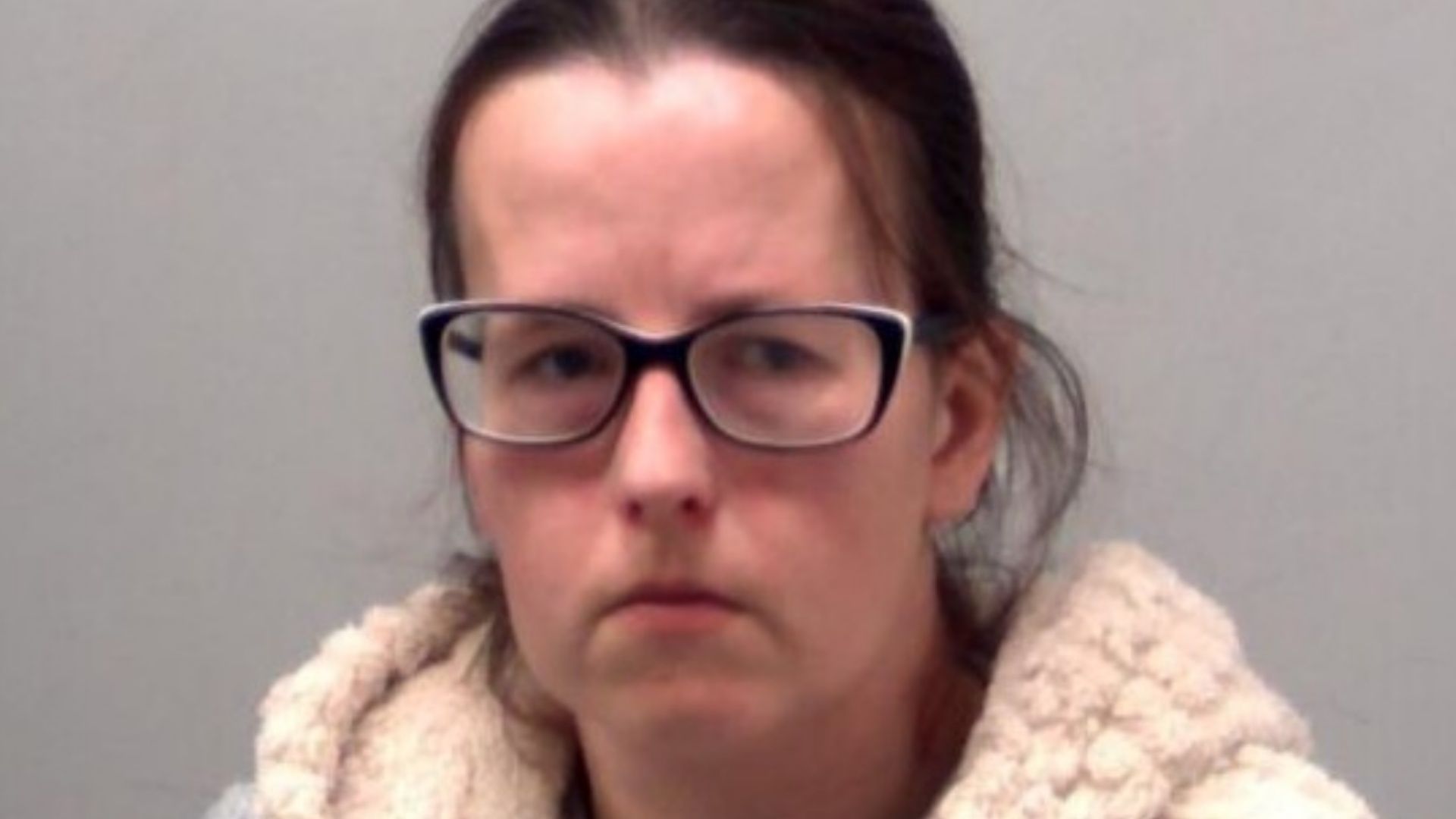
Public Outrage and Calls for Reform
News of the social worker’s alleged failings has ignited fury across the UK. Parents, child protection campaigners, and politicians have taken to social media and airwaves demanding a full public inquiry.
“How many more babies have to die before heads roll?” read one viral post that has been shared thousands of times. Petitions calling for the immediate suspension and investigation of all involved staff have gathered momentum rapidly.
Local MP for the area has vowed to raise the matter in Parliament, stating: “This is not just one tragic failure. It points to systemic issues that put vulnerable children at risk every single day.”
Support organisations for families in crisis report a surge in calls, with many expressing fear that their own situations are not being taken seriously enough.
Inside the Courtroom and the Investigation
During the trial, prosecutors presented a meticulous case built on pharmacy records, toxicology reports, and the mother’s own confession. Expert medical witnesses explained how the medication-milk mixture was certain to prove fatal to a child of Oakley’s age.
Defence arguments reportedly focused on Barnett’s fragile mental state, but the jury ultimately held her responsible for the deliberate act.
Now, the separate investigation into social services is moving at pace. Forensic examination of case files, interviews with colleagues, and analysis of the social worker’s decision-making timeline are all underway. Early leaks suggest a pattern of inadequate documentation and failure to follow protocol.
One particularly shocking claim involves a report from a health visitor that was allegedly minimised or lost in the system, potentially altering the course of events.
The Human Cost of Systemic Failure
For Oakley’s extended family, the pain is compounded by the knowledge that the system meant to protect him may have contributed to his death. “He was just a baby,” a relative said in a heartbreaking statement. “He deserved better from everyone.”
Emma Barnett’s own family is said to be torn between grief for Oakley and devastation over her actions. The mother now faces life behind bars, while the social worker at the heart of the scandal continues to draw intense scrutiny.
The case has also reignited national conversations about maternal mental health, the pressures of parenting under supervision, and the desperate need for better resourcing of children’s services. Charities report overwhelmed helplines as more parents seek support.
What Must Change Now
As the full dark truth continues to emerge, authorities have promised transparency. The independent review is expected to deliver initial findings within weeks, with recommendations for sweeping reforms.
Possible outcomes include mandatory training reviews, reduced caseloads for social workers, better inter-agency communication, and stronger protocols for high-risk custody cases.
Child safeguarding experts emphasise that while individual accountability is essential, the real solution lies in addressing chronic underfunding and systemic overload. “We cannot keep placing impossible demands on overworked professionals and then act surprised when tragedies occur,” one leading advocate said.
A Nation Mourns and Demands Justice
Vigils for little Oakley have sprung up across Essex, with flowers, soft toys, and candles creating heartbreaking memorials. Messages from the public pour in: “Rest in peace, sweet angel,” and “Never again.”
The quiet streets where Oakley should have grown up now carry a heavy shadow. Schools and community centres are offering counselling to residents struggling to process the horror.
As sentencing approaches and the social services investigation deepens, the British public is watching closely. The chilling confession in that attic was only the beginning. The revelations about those who were supposed to protect Oakley are proving even more disturbing.
This publication will continue to bring you every shocking development as the full extent of the failures is exposed. The dark truth about what really happened to baby Oakley Barnett — and who else may bear responsibility — is finally coming to light.
A tiny life was lost in the most heartbreaking way imaginable. The question now is whether Britain will finally learn the lessons and prevent the next tragedy.