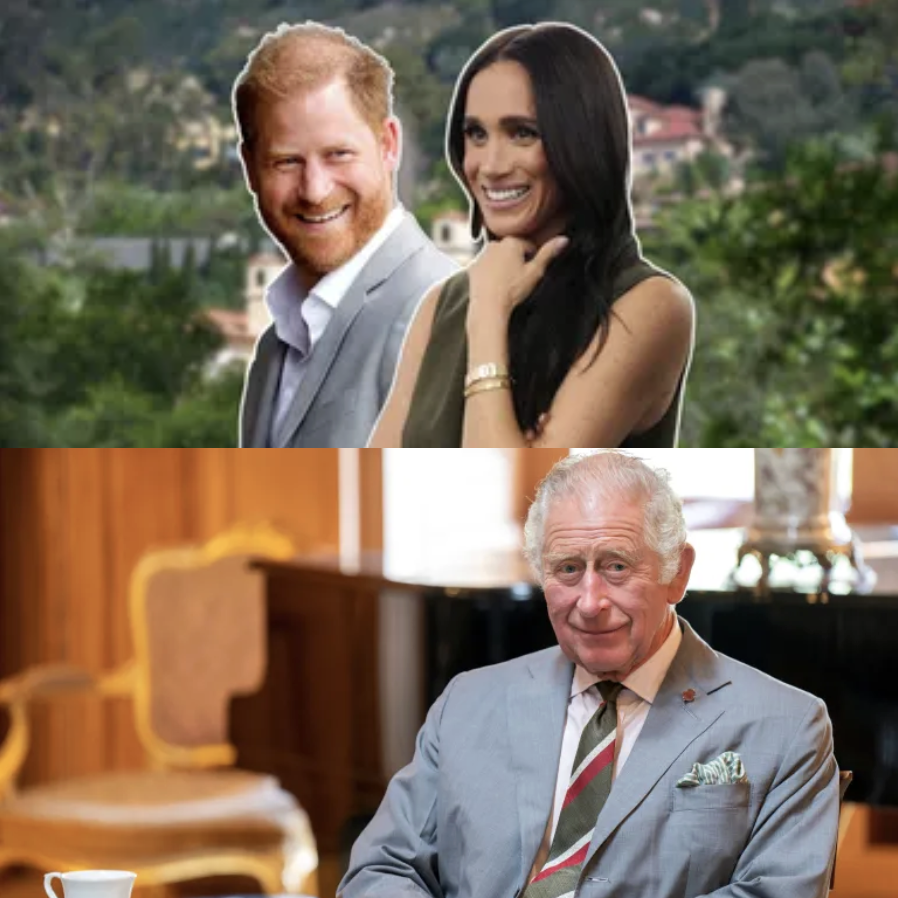
DEBATE OVER ROYAL TITLES RETURNS TO THE SPOTLIGHT AS PUBLIC DISCUSSION CONTINUES
LONDON — Public discussion surrounding the royal titles held by Prince Harry and Meghan, Duchess of Sussex has once again attracted significant attention, prompting renewed debate among commentators, constitutional experts, and members of the public.
For several years, questions about the role of the Duke and Duchess of Sussex within the broader framework of the British monarchy have generated headlines around the world. Their decision to step back from official royal duties in 2020 marked one of the most significant developments in the modern history of the royal family and continues to influence public discussion today.
Recent commentary has focused on whether changes to royal or peerage titles should ever be considered for members of the royal family who no longer undertake official duties on behalf of the Crown.
Constitutional scholars note that discussions about peerages and royal titles are complex matters involving centuries of legal tradition, parliamentary authority, and constitutional practice.
As a result, any significant changes would generally require formal legal processes rather than public debate alone.
The subject remains politically sensitive.
Supporters of maintaining existing titles often argue that peerages are legal honors granted under established constitutional procedures and should not be altered in response to shifting public opinion or media controversies.
Others contend that titles carry expectations regarding public service and representation and therefore remain appropriate topics for discussion.
The debate has intensified periodically following major public appearances, interviews, documentaries, and publications involving the Sussexes.
Each new development tends to generate renewed commentary regarding the couple’s relationship with the monarchy and their place within the broader royal institution.
Political analysts emphasize, however, that public discussion does not necessarily translate into legislative action.
While individual politicians and commentators have occasionally expressed views on the matter, constitutional change typically requires substantial legal consideration and parliamentary support.
Experts also point out that issues involving the monarchy often attract international attention far beyond the United Kingdom.
The global profile of both Harry and Meghan means that developments connected to their status frequently become major stories in North America, Europe, Australia, and beyond.
That worldwide interest helps explain why conversations about titles continue to generate extensive media coverage years after the couple’s departure from frontline royal duties.
Meanwhile, the broader constitutional role of the monarchy remains a subject of ongoing public interest.
Questions regarding modernization, tradition, accountability, and public expectations have been debated for decades and are likely to continue evolving in the years ahead.
For many observers, the discussion surrounding Harry and Meghan is part of that larger conversation.
Regardless of individual viewpoints, analysts agree that any changes involving royal titles would represent a significant constitutional matter requiring careful consideration.
As a result, observers continue to distinguish between political commentary, public debate, and confirmed governmental action.
For now, discussion surrounding the Sussex titles remains a topic of public interest rather than a settled constitutional question.
What remains certain is that the Duke and Duchess of Sussex continue to occupy a unique place in the public conversation, ensuring that debates about monarchy, tradition, and modern public life remain firmly in the spotlight.