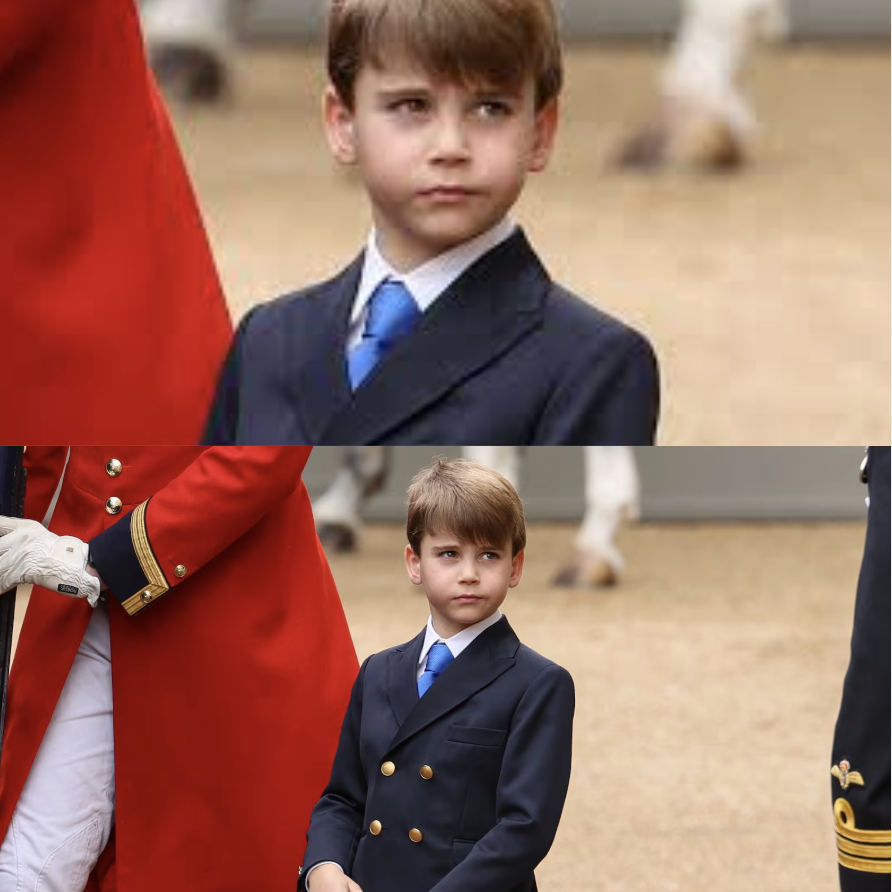
PRINCE GEORGE AND THE FUTURE OF THE MONARCHY: WHY GLOBAL ATTENTION CONTINUES TO FOCUS ON THE YOUNG ROYAL
LONDON — Few children in the world attract the level of public attention that follows Prince George.
Born into one of the most recognizable families on the planet, the eldest child of the Prince and Princess of Wales has spent his entire life under the gaze of international media, royal historians, constitutional experts, and millions of people fascinated by the future of the British monarchy.
Yet despite the extraordinary public interest surrounding him, Prince George remains, first and foremost, a young boy growing up within a family that has repeatedly emphasized its desire to provide him with as normal a childhood as possible.
As discussions continue about the future of the monarchy in the decades ahead, many observers believe Prince George represents one of the most important figures in the institution’s long-term future.
A POSITION UNIQUE IN MODERN BRITAIN
Prince George’s place in history was established from birth.
As the eldest child of the heir to the throne, he occupies a prominent position in the line of succession.
While constitutional arrangements may seem distant from everyday life, succession remains one of the most important elements of the British monarchy.
Royal historians note that previous generations often spent years preparing future monarchs for the responsibilities they would eventually inherit.
However, the modern royal family faces challenges that previous generations could scarcely have imagined.
Social media.
Global news coverage.
Digital communication.
Instant worldwide attention.
Every public appearance involving younger members of the royal family can generate headlines across dozens of countries within minutes.
As a result, palace officials have generally adopted a cautious approach regarding Prince George’s public role.
GROWING UP IN A DIFFERENT ROYAL ERA
Royal experts frequently point out that Prince George’s upbringing differs significantly from that of earlier heirs.
Previous generations often experienced more formal royal childhoods characterized by stricter traditions and greater separation from ordinary life.
By contrast, the Prince and Princess of Wales have repeatedly emphasized family involvement, education, and stability.
Public appearances suggest a parenting approach that seeks to balance royal responsibility with modern family life.
Observers have noted that George is frequently seen attending sporting events, national celebrations, and family occasions alongside his parents and siblings.
These appearances provide carefully controlled opportunities for the public to see the young royal while preserving a substantial degree of privacy.
EDUCATION AND PREPARATION
One of the most discussed aspects of Prince George’s future concerns education.
Throughout history, future monarchs have received preparation designed to help them understand constitutional responsibilities, public service, diplomacy, and national institutions.
Experts believe that education will continue playing a central role in George’s development.
However, royal commentators also emphasize that modern preparation is likely to extend beyond traditional constitutional matters.
The future king will inherit a world shaped by technological change, global challenges, evolving social expectations, and increased international interconnectedness.
As a result, many observers believe that adaptability, communication skills, and public engagement may become increasingly important aspects of royal leadership.
THE CHALLENGE OF PUBLIC ATTENTION
One of the most significant issues facing Prince George is the extraordinary level of interest surrounding his life.
Every milestone attracts attention.
School choices become headlines.
Birthday photographs become international news.
Public appearances generate extensive commentary.
Royal experts often argue that managing this attention responsibly is one of the greatest challenges confronting younger members of the royal family.
Excessive publicity can create pressures for children who have not chosen public life for themselves.
Consequently, many commentators have praised efforts to limit media exposure while still acknowledging public interest.
THE EVOLUTION OF THE MONARCHY
Discussions about Prince George inevitably lead to broader questions regarding the future of the monarchy itself.
The institution has undergone significant transformation throughout modern history.
The reign of Queen Elizabeth II witnessed enormous social, political, and technological changes.
King Charles III inherited a monarchy operating in a very different environment from the one that existed when his mother became queen.
Many analysts expect further evolution in the decades ahead.
Future monarchs will likely face new expectations regarding transparency, accessibility, environmental issues, charitable work, and public engagement.
In that context, Prince George is frequently viewed as a symbol of continuity and adaptation.
PUBLIC PERCEPTION
Opinion polls consistently demonstrate strong public interest in younger members of the royal family.
While attitudes toward the monarchy vary across different regions and demographic groups, many people express curiosity about how the next generation will shape the institution.
Royal commentators suggest that younger royals may play an important role in maintaining relevance among future generations.
Their experiences, education, and communication styles could influence how the monarchy connects with an increasingly diverse and digitally connected society.
A LIFE OF SERVICE?
Traditionally, senior members of the royal family devote substantial time to charitable causes, public engagements, and ceremonial duties.
Although Prince George remains years away from assuming significant responsibilities, observers often speculate about the causes and issues he may eventually champion.
Historically, members of the royal family have supported initiatives involving health, education, conservation, veterans, mental health awareness, and community development.
Experts expect that future generations will continue participating in public service, though the methods may evolve alongside societal changes.
THE IMPORTANCE OF STABILITY
Perhaps the most important theme emerging from discussions about Prince George is stability.
The monarchy has traditionally derived much of its strength from continuity across generations.
For supporters of the institution, the presence of younger royals represents a visible reminder of that continuity.
At the same time, royal historians caution against placing excessive expectations on children.
Prince George’s future responsibilities remain many years away.
His development, education, and personal growth will occur gradually.
Major constitutional milestones, should they occur, will be announced through official channels and established procedures.
LOOKING AHEAD
For now, Prince George continues to occupy a unique position—simultaneously one of the most recognizable children in the world and a young person whose family seeks to provide normality amid extraordinary circumstances.
Public interest in his future is unlikely to diminish.
Questions about the next generation of the monarchy will continue attracting attention.
Royal observers will continue analyzing developments.
Historians will continue discussing the institution’s future.
Yet despite all the speculation, one fact remains clear.
Prince George’s story is still being written.
The future king is growing up in an era unlike any experienced by his predecessors, and the role he may one day inherit will likely reflect both centuries of tradition and the realities of a rapidly changing world.
Until then, official announcements—not rumors, anonymous sources, or sensational headlines—remain the most reliable guide to understanding the future of the British royal family.