A Forensic Analysis of ‘Big Boys Don’t Cry’ and the St. Leonard’s Abuse Scandal
Institutional Trauma and Male Vulnerability: A Forensic Analysis of ‘Big Boys Don’t Cry’ and the St. Leonard’s Abuse Scandal
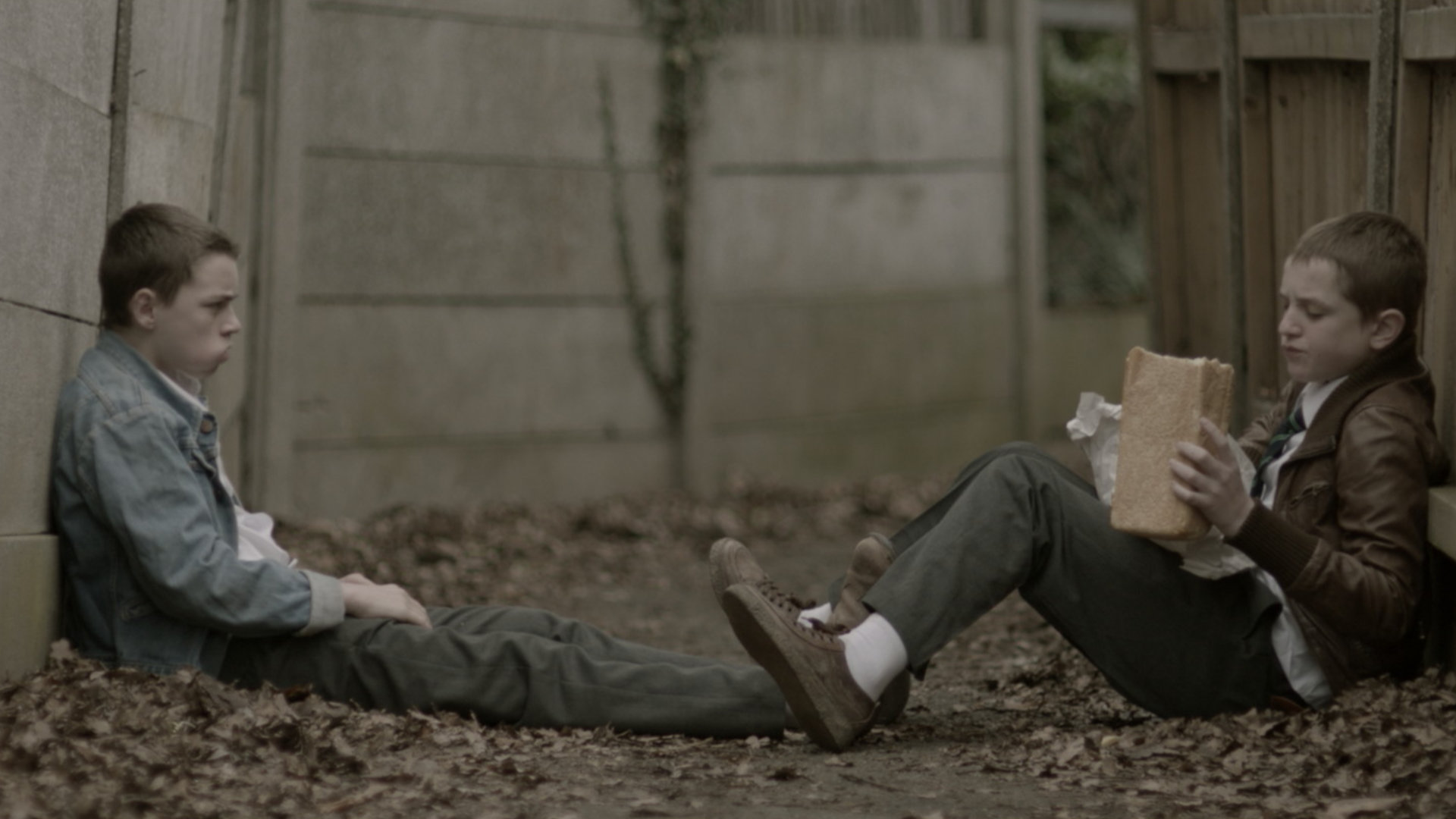
In the contemporary landscape of biographical drama and streaming cinema, films adapted from documented real-world atrocities face a continuous tension between narrative dramatization and historical fidelity. The 2020 feature film Big Boys Don’t Cry, directed by Steve Crowhurst and starring Michael Socha, stands as a stark case study in this genre. Based on the traumatic upbringing of author and advocate Paul Connolly, the film examines the severe, systematic physical and sexual abuse perpetrated against vulnerable children at St. Leonard’s Children’s Home in Hornchurch, Essex, during the late 20th century.
While viral social media campaigns routinely frame such productions through sensationalized clickbait—promising “shocking plot twists” and hyper-emotional reactions—a forensic analysis of the film and its underlying historical facts reveals a far more sobering reality. Big Boys Don’t Cry is not a piece of sensationalized entertainment designed for temporary shock value; rather, it is a deliberate, psychologically grounded examination of institutional failure, post-traumatic stress disorder (PTSD), and the complex, lifelong struggle for survivor justice.
The Historical Basis: Systemic Failure at St. Leonard’s
To evaluate Big Boys Don’t Cry within its proper context, one must examine the verified historical record of the institution in which Paul Connolly was raised. St. Leonard’s, a large care facility in Hornchurch managed by local municipal authorities, housed hundreds of state-dependent children from the 1960s through the 1980s. Intended to serve as a sanctuary for vulnerable youth requiring state protection, the facility instead operated for decades with virtually no meaningful independent oversight, creating an environment where staff members could perpetrate horrific abuse with total impunity.
Police investigations and subsequent official reviews into UK care home scandals during that era revealed widespread systemic breakdowns:
-
The Absence of Whistleblower Protections: Junior care workers and residents who attempted to report abusive behavior were routinely dismissed, reprimanded, or subjected to administrative retaliation by senior administrators.
-
Institutional Siloing: Local authorities failed to establish independent auditing channels, allowing internal management to control internal records, suppress complaints, and insulate perpetrators from criminal investigation.
-
Exploitation of Ward Vulnerability: Children placed in state care lacked external support networks, family advocacy, or legal representation, rendering them uniquely vulnerable to predatory staff who leveraged their authority to enforce silence.
For Paul Connolly, who entered the care system as an infant, the environment at St. Leonard’s resulted in years of severe physical violence and emotional degradation. The eventual closure of the facility and the subsequent criminal prosecution of former care workers decades later underscored a tragic reality: the state had failed in its fundamental in loco parentis legal obligation to protect the children entrusted to its care.
Narrative Deconstruction: Portraying PTSD and Suppressed Memory
Cinematically, Big Boys Don’t Cry distinguishes itself by eschewing the linear tropes of standard true-crime procedurals. Instead, the screenplay constructs a fragmented, non-linear narrative that mirrors the internal psychological state of its adult protagonist, Paul (portrayed with intense restraint by Michael Socha).
The film opens long after Paul has left the care system. As an adult, he attempts to maintain a structured, ordinary life, working a steady job and building personal relationships. However, when news breaks that a police task force has launched a formal investigation into historical abuse at St. Leonard’s, Paul’s carefully constructed psychological defenses begin to unravel. The police request for testimony forces him to confront long-buried memories of his friend Liam and the systemic violence they endured together.
Director Steve Crowhurst avoids gratuitous depictions of violence—often referred to in film studies as “trauma porn”—focusing instead on the neurobiological and social consequences of long-term trauma:
-
Hypervigilance and Involuntary Triggering: The film accurately depicts how sensory inputs—a specific tone of voice, an unexpected touch, or official legal correspondence—can instantly trigger severe dissociative episodes and panic responses in survivors of childhood abuse.
-
The Burden of Disclosure: Big Boys Don’t Cry captures the immense psychological barrier survivors face when deciding whether to participate in formal law enforcement inquiries. Retelling trauma requires victims to re-experience profound helplessness, often straining their contemporary domestic and professional lives.
-
Somatic Symptom Expression: Rather than framing emotional distress purely through tears or verbal outbursts, the performance illustrates how unaddressed childhood trauma manifests physically through insomnia, sudden explosive aggression, and emotional detachment.
The Title Motif: Deconstructing Toxic Masculinity and Emotional Repression
The title of the film, Big Boys Don’t Cry, serves as a central thematic thesis, directly confronting the cultural and societal mandates that govern male emotional expression, particularly within working-class environments and state institutions.
Historically, male victims of childhood sexual and physical abuse have faced unique societal stigmas that severely impede recovery and disclosure. Cultural conditioning that equates masculinity with physical dominance, stoicism, and emotional suppression often leads young male victims to internalize shame, convincing themselves that expressing vulnerability is a sign of weakness. Within the rigid hierarchy of a children’s home, emotional distress was frequently punished by staff or targeted by peers, forcing boys to adopt aggressive, emotionally numb exteriors as a primary defense mechanism.
The film meticulously deconstructs this toxic paradigm. As adult Paul navigates his past, his insistence on “being fine” and maintaining a tough exterior repeatedly threatens to destroy his romantic relationship and self-worth. The narrative trajectory demonstrates that true emotional recovery requires dismantling the false premise embedded in the title. Healing cannot occur through continued repression; it requires the courage to acknowledge vulnerability, process suppressed grief, and abandon the destructive myth that men must bear trauma in silence.
Legal Recourse, Institutional Accountability, and the Limits of Justice
A critical dimension of Big Boys Don’t Cry is its realistic portrayal of the legal and administrative hurdles that confront historical abuse survivors seeking judicial accountability. In both the film and the real-life experience of Paul Connolly, the path toward legal justice was fraught with institutional resistance and statutory limitations.
When police forces across the United Kingdom initiated historical inquiries into care homes during the 1990s and 2000s, investigators faced formidable evidentiary obstacles:
-
Document Degradation and Loss: Decades of poor record-keeping, missing logbooks, and destroyed administrative files complicated the process of establishing formal duty rosters and corroborating victim timelines.
-
Statute of Limitations and Procedural Delays: Legal systems historically struggled to accommodate claims brought decades after the fact, forcing courts to balance the rights of defendants with the reality of suppressed traumatic memory in victims.
-
Witness Credibility Attacks: Defense attorneys routinely targeted the credibility of adult survivors, attempting to frame their testimonies as unreliable memories influenced by media coverage or financial compensation motives.
By highlighting these legal realities, the film underscores that criminal convictions alone cannot fully restore what was stolen from victims in childhood. While the prosecution of former care workers provides necessary legal validation, the psychological scars remain a lifelong burden that requires continuous therapeutic support and community understanding.
De-Sensationalizing Survivor Stories in the Digital Age
The contrast between the grave, educational intent of Big Boys Don’t Cry and the sensationalized digital marketing that often surrounds streaming titles highlights a broader issue in modern media consumption. When online outlets reduce complex biographical dramas about institutional abuse to sensational clickbait—framing real human suffering around tropes of “shocking twists” or “devastating secrets”—they trivialize the lived experiences of real survivors.
Paul Connolly’s journey—from a brutalized ward of the state to a published author, personal trainer, and advocate for disadvantaged youth—is an extraordinary testament to human resilience. However, his story’s ultimate value lies not in providing passive emotional entertainment for streaming audiences, but in exposing institutional vulnerabilities so that future generations of children are protected.
Conclusion: The Imperative of Historical Memory
Big Boys Don’t Cry remains a vital, uncompromising entry in the cinema of social accountability. By rejecting melodramatic tropes and focusing on the rigorous, painful reality of trauma recovery, the film honors the courage of Paul Connolly and countless other survivors of institutional abuse.
Understanding the narrative of Big Boys Don’t Cry requires moving beyond the noise of viral marketing and engaging with the sobering facts of historical care system failures. Through rigorous investigative reporting, transparent institutional oversight, and a cultural commitment to supporting male vulnerability, society can ensure that the failures of institutions like St. Leonard’s are never repeated, and that the voices of survivors are heard with the dignity, seriousness, and justice they deserve.