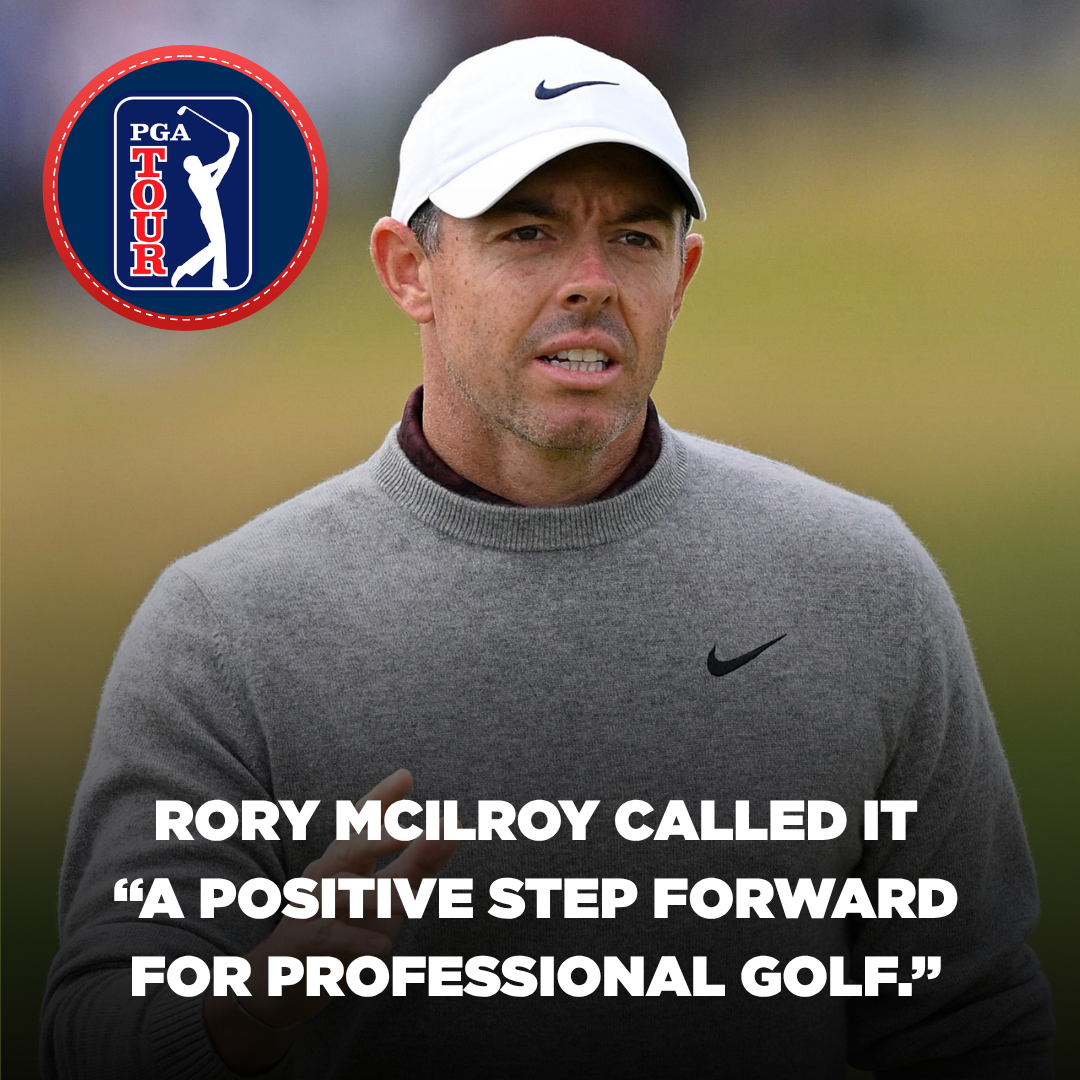
The Future of Professional Golf: PGA Tour Unveils Bold Two-Tier Model for 2028 and Rory McIlroy Steps Up as Architect of Change
In a landmark announcement that promises to reshape the landscape of professional golf, the PGA Tour has officially greenlit a transformative new competitive structure set to debut in the 2028 season. The introduction of the PGA Tour Championship Series and the PGA Tour Challenger Series establishes a formal two-tier system complete with promotion and relegation, aiming to inject fresh meritocracy, heightened competition, and long-term sustainability into the sport.
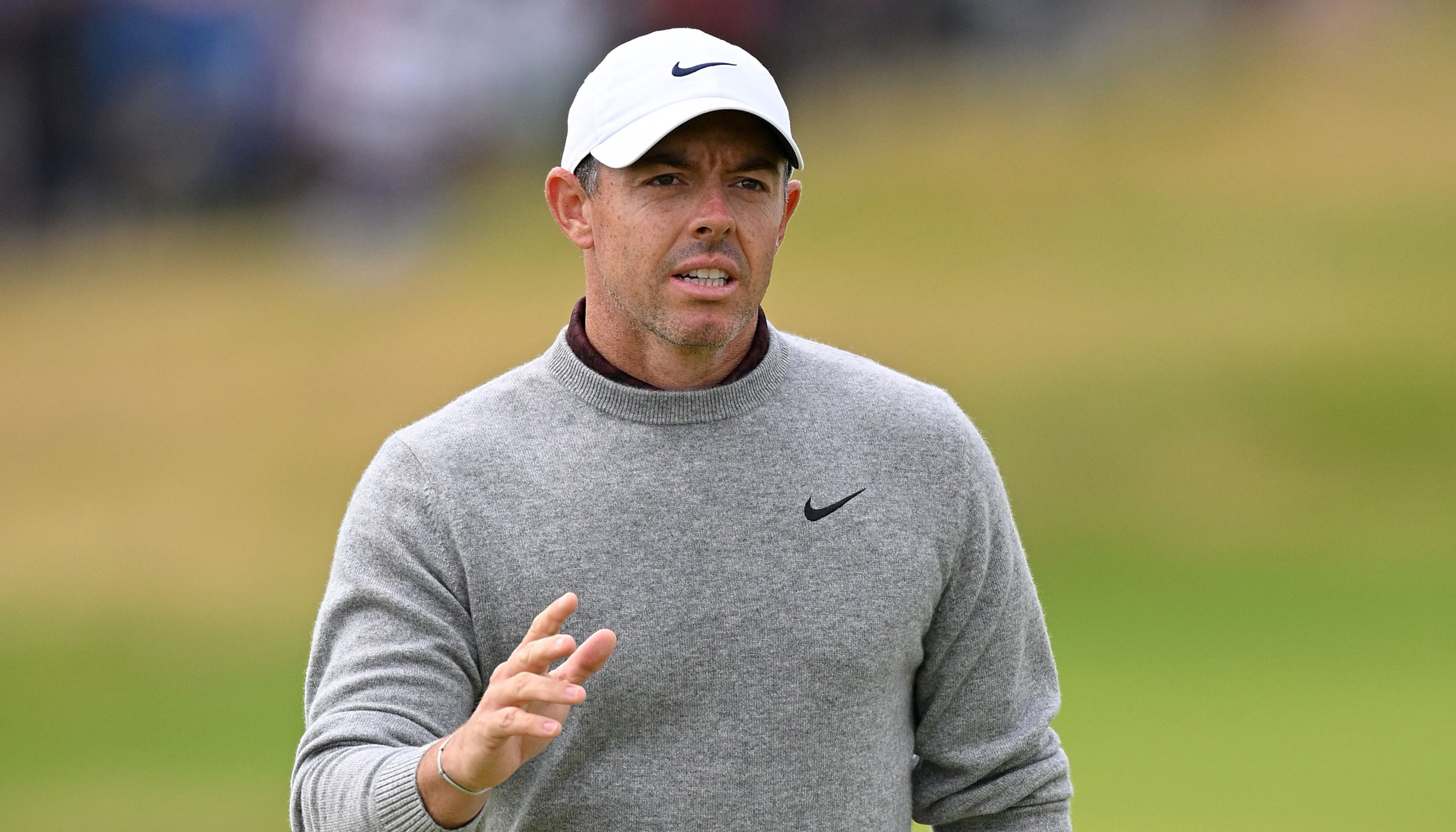
This shift comes after years of upheaval, including the disruptive arrival of LIV Golf, escalating prize funds, and ongoing debates about schedule formats and player commitments. At the heart of the positive reception is none other than Rory McIlroy, whose endorsement carries significant weight. The Northern Irish superstar, long a vocal leader in the game, has not only backed the changes but is positioned as a key influencer helping shape what comes next.

Rory McIlroy: From On-Course Legend to Off-Course Visionary
For more than a decade, Rory McIlroy has been one of golf’s most recognizable and accomplished figures. With multiple major championships to his name, including the 2011 U.S. Open, 2012 PGA Championship, 2014 Open Championship, and 2014 PGA Championship, McIlroy’s explosive playing style and global appeal have made him a cornerstone of the PGA Tour. Yet his influence extends far beyond the fairways.

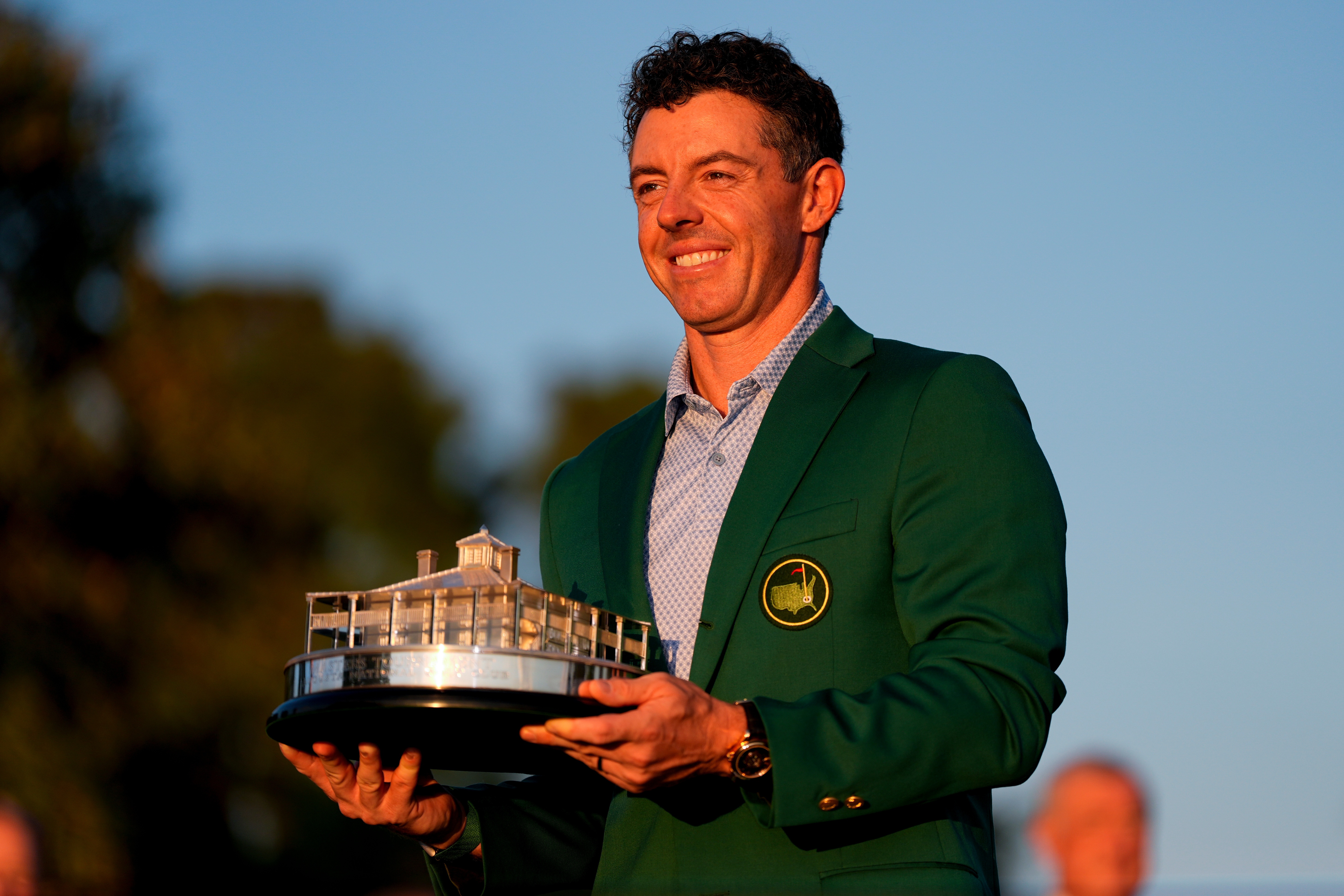
In his statement supporting the new model, McIlroy emphasized unity and fan focus: “Over the last few years, golf has faced a period of uncertainty and division, which has not been in the best interests of the players, or the fans of the game. Today, we are putting the fans first, and I am excited about the future of our sport.” He highlighted the importance of meritocracy and collaboration with the DP World Tour, while praising the elevation of historic international tournaments.
McIlroy’s journey to this point has been nuanced. Just weeks earlier, ahead of the U.S. Open, he expressed reservations about earlier iterations of the two-track proposals, famously referring to potential “Track Two” events as possibly becoming “glorified Korn Ferry” tournaments and questioning the impact on longstanding events like the Canadian Open. His evolution from skeptic to supporter underscores a pragmatic approach: adapting to new realities while preserving the sport’s core values.
This isn’t the first time McIlroy has influenced golf’s direction. He played a pivotal role in player advisory councils and discussions around the PGA Tour’s framework agreement with Strategic Sports Group and other partnerships. His willingness to engage deeply in governance reflects a maturing superstar who understands that on-course excellence alone isn’t enough to secure the game’s future.

Breaking Down the New Structure: Championship Series and Challenger Series
The new model divides the PGA Tour into two interconnected series running concurrently, creating a clear ladder of opportunity and accountability.
PGA Tour Championship Series (Top Tier):
- Approximately 23-24 events, including the four major championships, The Players Championship, Presidents Cup or Ryder Cup, and a reimagined playoff format.
- Fields of around 120 players (expanded from smaller signature events).
- 36-hole cuts to the top 65 players and ties.
- Minimum purses of $20 million per event.
- Focus on elite competition, with top players competing more consistently against each other.
- Optimized schedule around majors with built-in off weeks.
Eligibility for the Championship Series will primarily be determined by the top 90 players from the previous season’s points list, plus promotions from the Challenger Series. This ensures the best performers stay at the top while creating movement.
PGA Tour Challenger Series (Developmental/Secondary Tier):
- At least 20 events, many at familiar PGA Tour venues.
- Larger fields of 144 players.
- 36-hole cuts to the top 65 and ties.
- Minimum purses of $4 million — significantly lucrative compared to traditional developmental tours.
Primary pathway for promotion to the Championship Series.
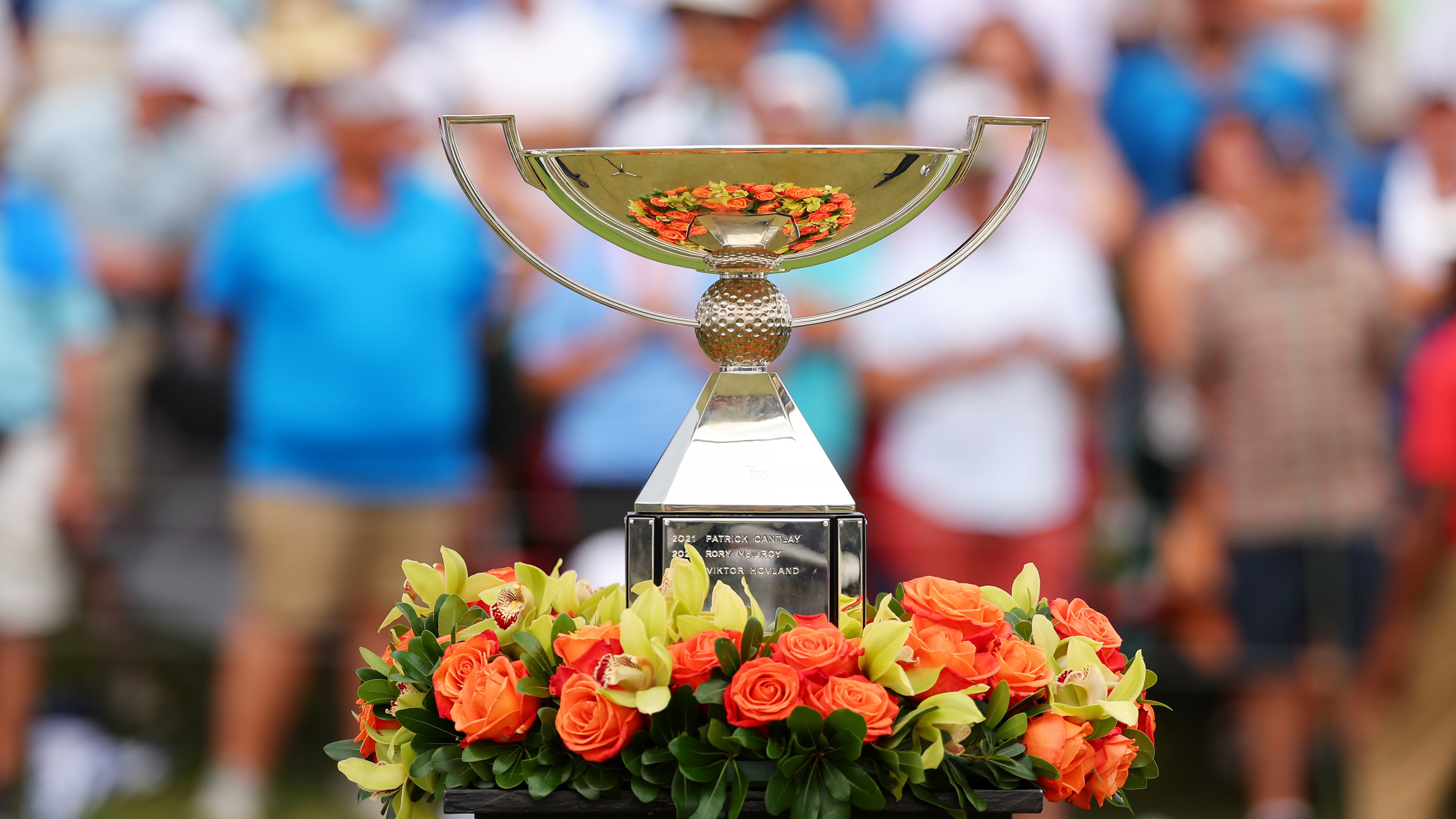
Playoffs are also getting a refresh, shifting toward match play at prestigious, rotating venues (potentially including iconic sites like Pine Valley), adding excitement and a different skill set to the postseason narrative.
Why This Matters: Strengthening Competition and Fan Engagement
The PGA Tour’s leadership, including CEO Brian Rolapp and the Future Competition Committee chaired by Tiger Woods, frames this as a return to merit-based principles while addressing modern challenges. By creating a formal promotion/relegation system, the Tour aims to reduce stagnation at the top and provide clearer pathways for emerging talent.
Economically, the guaranteed high purses signal confidence in sponsorship and media rights growth. However, challenges remain. Some events may lose Championship Series status if sponsors cannot meet the financial thresholds, potentially affecting traditions and local economies tied to those tournaments. McIlroy himself previously voiced these concerns, highlighting the delicate balance needed.
Broader Context: Golf’s Post-LIV Evolution
The announcement arrives amid a period of consolidation in professional golf. The PGA Tour’s partnership frameworks and investments have stabilized finances, but the sport still grapples with fragmentation. The two-series model seeks to unify top competition under one ecosystem while maintaining global ties, such as with the DP World Tour.
Tiger Woods’ involvement via the Future Competition Committee lends immense credibility. His perspective as one of the greatest to ever play adds strategic depth, ensuring the changes respect history while embracing innovation. Other top players are expected to weigh in as details finalize, including specifics on exactly which tournaments land in each series.
Potential Impacts on Players, Sponsors, and the Game
Developmental players benefit from higher purses and visibility in the Challenger Series, making it a more viable career stepping stone. International talent, particularly from DP World Tour collaborations, gains clearer entry points.
Sponsors face a mixed bag: Championship Series events become premium platforms with elite fields and massive exposure, while Challenger events still offer substantial value at lower costs. Venues and organizers will compete to secure top-tier status, driving improvements in course conditions, fan experiences, and marketing.
Critics may worry about reduced opportunities for mid-tier pros or the potential “rich get richer” dynamic. Yet the built-in relegation promotes ongoing competitiveness, preventing complacency.
McIlroy’s Legacy and the Road Ahead
As 2028 approaches, many details remain to be ironed out: final event allocations, exact qualification criteria, international scheduling synergies, and integration with majors (which remain independent but complementary). The PGA Tour has committed to ongoing player input, ensuring the model evolves responsively.
Conclusion: A New Chapter for Golf
The PGA Tour’s 2028 vision represents a bold bet on structured competition as the antidote to recent chaos. By formalizing tiers with real stakes, elevating purses, and prioritizing fan narratives, it seeks to secure golf’s relevance in a crowded sports entertainment world. Rory McIlroy’s enthusiastic backing adds star power and credibility, positioning him as both champion and steward of the game’s future.
Golf has always thrived on drama — whether a dramatic putt on the 18th or high-stakes battles for status. This new model promises more of both, ensuring that the sport’s best stories continue to unfold on the course for generations to come. As McIlroy and his peers tee it up under the new framework, the world will be watching to see if this two-series revolution delivers on its ambitious promise.
(Word count: approximately 1980)
The changes mark an exciting inflection point. Whether you’re a die-hard fan, casual viewer, or aspiring pro, the coming seasons will test and ultimately define this new era of professional golf.