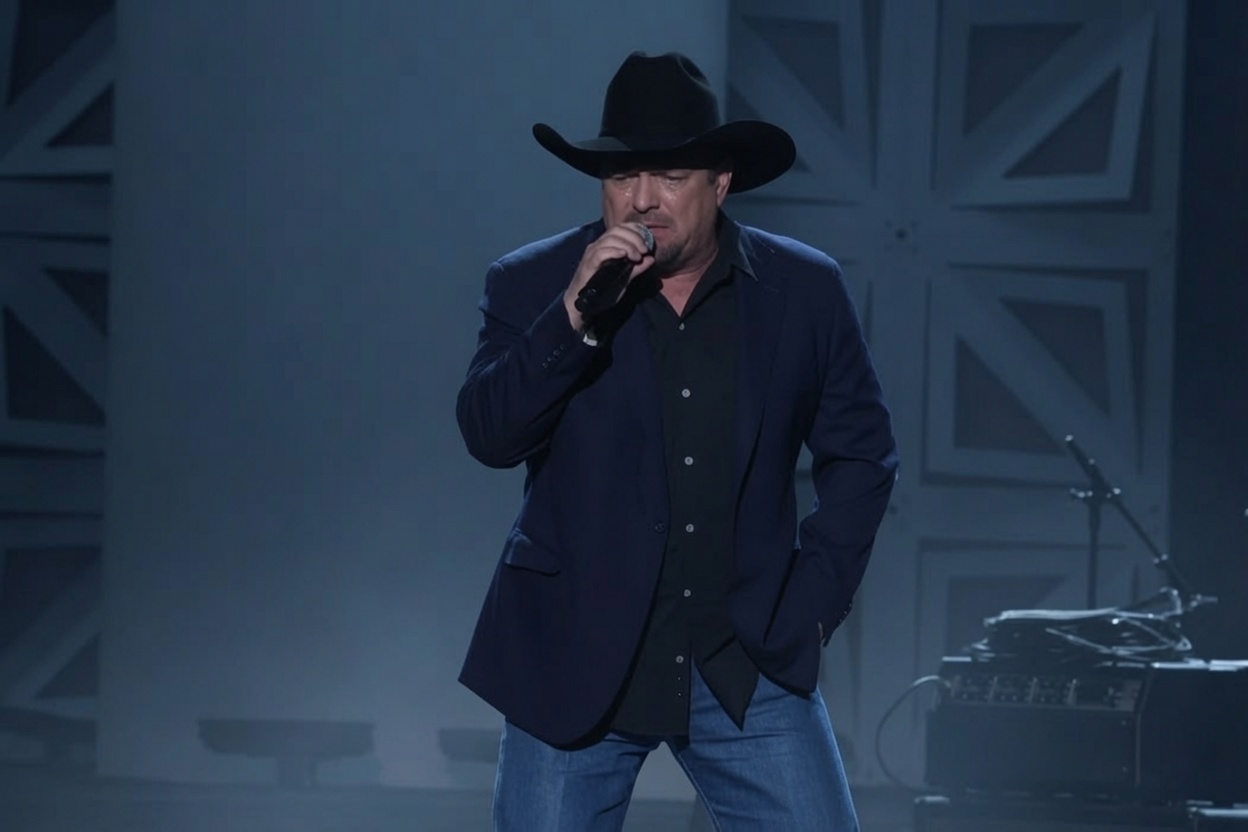
THE PRICE OF BECOMING A COUNTRY MUSIC LEGEND WAS NEVER SIMPLE FOR GARTH BROOKS
Garth Brooks changed the scale of country music and became one of its biggest names. Along the way, fame brought unforgettable achievements, intense public attention, and moments that shaped the way his legacy is discussed today.
Born Troyal Garth Brooks on February 7, 1962, in Tulsa, Oklahoma, the future superstar grew up in a working-class family with a love for music that would define his life. The youngest of six children, Brooks was exposed to a wide range of sounds—from country legends like George Jones and Merle Haggard to rock icons such as Kiss and James Taylor. This eclectic mix would later become the foundation of his signature style: a potent blend of traditional country storytelling with the high-energy delivery of arena rock.
Brooks attended Oklahoma State University on a track scholarship, where he competed in javelin while studying advertising. College life introduced him to the honky-tonk scene in Stillwater, where he honed his performing skills in local bars. It was there that his natural charisma and powerful voice began to draw crowds. After graduating, he moved to Nashville in 1987, facing the harsh realities of the music industry. Rejections piled up, but persistence paid off when he signed with Capitol Records in 1988.
His self-titled debut album, released in 1989, marked the beginning of a revolution. Tracks like “If Tomorrow Never Comes” and “The Dance” showcased Brooks’ ability to craft emotionally resonant ballads that connected deeply with listeners. The album sold millions, but it was his sophomore effort, No Fences (1990), that catapulted him into superstardom. With hits including “Friends in Low Places” and “Thunder Rolls,” the album blended heartfelt lyrics with energetic performances, selling over 17 million copies in the U.S. alone.
The Explosive Rise: Redefining Country Music
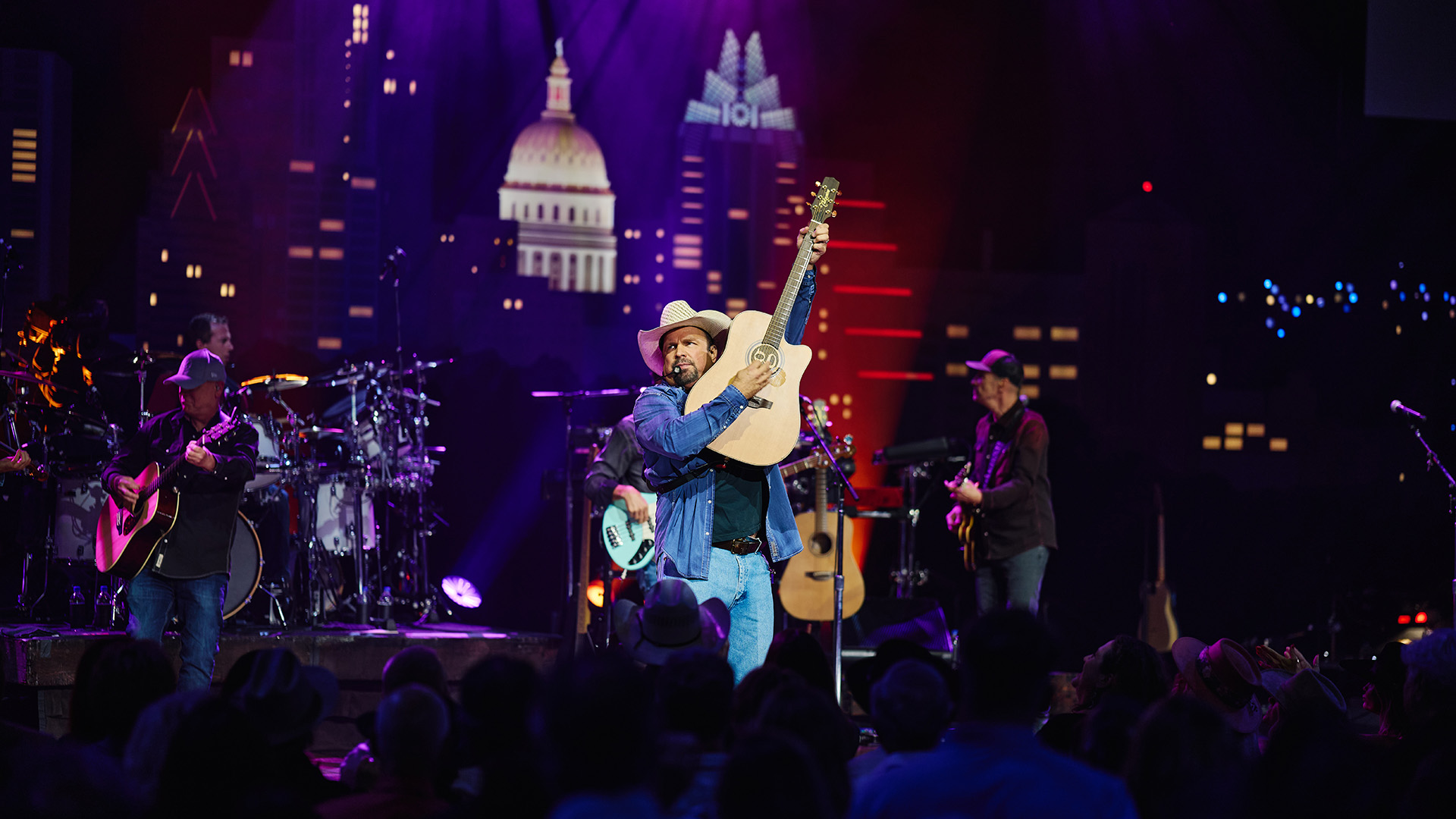
By the early 1990s, Garth Brooks had transformed country music from a niche genre into a mainstream phenomenon. His third album, Ropin’ the Wind (1991), made history as the first country album to debut at No. 1 on the Billboard 200 chart, a feat that underscored his crossover appeal. Brooks didn’t just sing about rural life—he performed it on a grand scale, incorporating theatrical elements like flying across stages, pyrotechnics, and immersive storytelling that filled stadiums.
His concerts became legendary events. Brooks treated every show like a rock spectacle, encouraging audience sing-alongs and emotional engagement. This approach helped shatter attendance records and brought country music to audiences who might never have tuned into the genre before. Albums like The Chase (1992), In Pieces (1993), and Sevens (1997) continued the momentum, each achieving diamond status—certified for over 10 million units sold.
Brooks’ commercial dominance was staggering. He became the only artist in history with nine diamond-certified albums, surpassing even The Beatles in that category at one point. By some measures, his U.S. album sales have reached or exceeded 200 million, cementing his status as the top-selling solo artist in American history. Awards poured in: seven CMA Entertainer of the Year trophies, multiple Grammys, and inductions into the Country Music Hall of Fame, Songwriters Hall of Fame, and more.
Yet, this meteoric rise came with significant personal costs. The relentless touring schedule and media scrutiny tested his marriage to Sandy Mahl, whom he wed in 1986. The couple welcomed three daughters—Taylor, August, and Allie—but the demands of fame strained their relationship. Brooks has spoken candidly about the tug-of-war between his career ambitions and family responsibilities.
:max_bytes(150000):strip_icc():focal(749x0:751x2)/trisha-garth-brooks-099d14e77dc64bc09d838ace8267e328.jpg)
The Price of Fame: Family, Retirement, and Reinvention
In 2000, at the peak of his career, Brooks made a shocking announcement: he was retiring from recording and performing to focus on his family. The decision followed his divorce from Sandy Mahl and the death of his mother from cancer. Brooks retreated to Oklahoma, prioritizing fatherhood in a modest ranch setting. For several years, he largely stepped away from the spotlight, attending school events and raising his daughters away from the chaos of celebrity.
This period was not without challenges. Brooks later reflected on the emotional toll of balancing legacy-building with everyday life. His brief foray into the alter-ego project Chris Gaines in 1999, a rock-pop experiment that received mixed reviews, highlighted the pressures of constant innovation under public eyes. Yet, his commitment to family remained steadfast. He married fellow country star Trisha Yearwood in 2005, forming a supportive partnership that would influence his eventual return.

In 2014, as his youngest daughter headed to college, Brooks launched a comeback. His world tour with Yearwood became one of the highest-grossing in history, selling millions of tickets and breaking his own previous records. Subsequent releases, including Man Against Machine (2014) and later works like Time Traveler (2023), reaffirmed his relevance. Even into his 60s, Brooks continues to tour and release music, proving that authenticity and connection endure.
Legacy Beyond the Numbers
Garth Brooks’ impact extends far beyond sales figures. He helped elevate country music’s cultural status, paving the way for artists who blend genres and command massive audiences. Songs like “The Dance,” with its poignant message about embracing life’s risks, and “We Shall Be Free,” which tackled social issues, resonated across demographics and sparked conversations.
Critics and fans alike note his showmanship—energetic performances that made country concerts feel like major events. His willingness to address personal struggles, from divorce to loss, added depth to his public persona. In recent years, Brooks has explored selling parts of his catalog, with reports suggesting interest in deals valued near $2 billion, reflecting the enduring commercial power of his work.
Challenges have persisted. Brooks has commented on changes in the industry upon his return, noting shifts in Nashville and the broader music landscape. Yet, his loyalty to fans and emphasis on live experiences remain constants. He has received honors like the Kennedy Center Honor and the Gershwin Prize, affirming his place among American music greats.
The Human Side of a Superstar
Behind the accolades lies a man shaped by Oklahoma roots, family values, and an unwavering passion for music. Brooks’ story is one of ambition tempered by sacrifice. The intense public attention that accompanied his success brought both adoration and intrusion. Moments of triumph—stadiums packed with fans singing every word—were balanced by quieter times focused on raising children and navigating personal loss.
His second marriage to Trisha Yearwood has been a source of stability, with the couple often performing together and supporting each other’s careers. Brooks frequently credits family as his anchor, a theme that echoes through his music and life choices.
Today, Garth Brooks stands as a testament to the complexities of fame. He expanded country music’s reach while reminding audiences of its emotional core. From humble beginnings in Tulsa to record-breaking dominance and a deliberate step back for family, his journey illustrates that the path to legend is rarely straightforward. It demands talent, resilience, and the courage to prioritize what matters most amid the glare of success.
As new generations discover his catalog and attend his shows, Brooks’ influence continues to grow. The price of becoming a country music legend was indeed never simple—but for Garth Brooks, it was a price worth paying, measured not just in platinum records, but in a life lived with purpose and heart.