
THEY USED HER OWN GRANDSON’S VOICE AGAINST HER. THE HEARTLESS SCAM THAT DRAINS LIFELONG SAVINGS IN MINUTES
Margaret’s heart pounded. Ethan, her bright, athletic 22-year-old grandson studying engineering at the University of Texas, sounded terrified. In the background, she could hear what seemed like police sirens and muffled voices. The “lawyer” got on the line, sounding professional and insistent, explaining the urgency due to “protocol” and warning her not to tell anyone else to avoid complicating the situation.
Trembling, Margaret followed instructions. She drove to her bank, withdrew the cash as directed, and handed it over to a courier who arrived at a pre-arranged location. By evening, the money was gone. It wasn’t until the next morning, when the real Ethan called to chat casually about his weekend plans, that the horror set in. Margaret had been the victim of an AI-powered voice cloning scam—one of a growing epidemic targeting seniors across Texas and the United States.
The Rise of the AI Grandparent Scam
This isn’t an isolated incident. Across Texas, from the bustling streets of Austin to the retirement communities in San Antonio and the rural areas near the border, law enforcement and elder advocacy groups report a surge in these sophisticated frauds. The FBI and local police departments have issued multiple alerts about AI-enhanced “grandparent emergencies,” where scammers exploit family bonds with chilling precision.
The classic grandparent scam has existed for years: a caller pretends to be a grandchild in distress—arrested, in an accident, or kidnapped—and begs for immediate cash. Traditionally, these relied on vague impersonations and emotional manipulation. But artificial intelligence has supercharged the tactic. Scammers now use voice cloning technology to create audio that sounds indistinguishable from the real person, often in real-time conversations.
In Margaret’s case, like many others, the scammers likely harvested audio samples from Ethan’s public social media profiles—short videos from family gatherings, TikTok clips, or Instagram stories where he spoke casually. Modern AI tools require as little as 3 to 30 seconds of clear audio to generate a convincing replica capable of delivering scripted lines, complete with emotional inflections like crying, panic, or urgency.
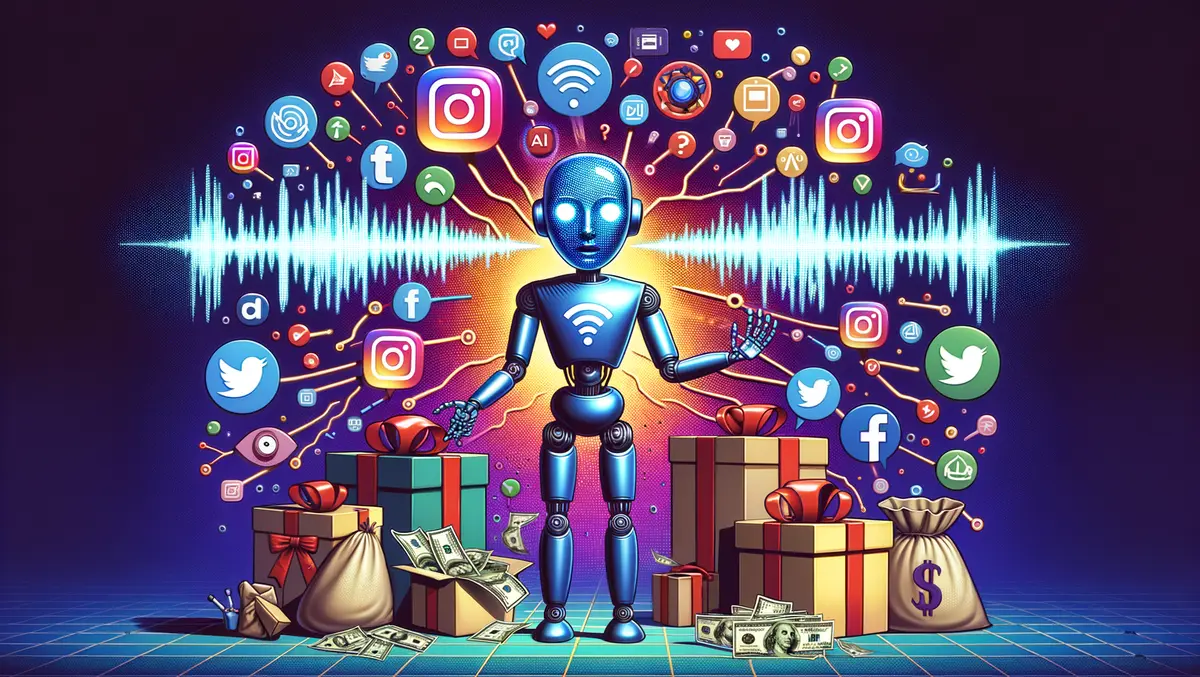
Experts explain that voice cloning relies on deep learning models trained on massive datasets of human speech. These systems analyze pitch, tone, cadence, accent, breathing patterns, and even emotional nuances. Once trained, the AI can synthesize new speech from text input provided by the scammer. Tools available on certain websites allow this process in minutes, sometimes for a small fee, making it accessible even to low-level criminals.
Phone number spoofing adds another layer. Scammers use technology to make the call appear to come from the grandchild’s actual phone number, further eroding any suspicion. In some advanced cases, the AI facilitates back-and-forth dialogue, responding to the victim’s questions with eerie accuracy.
A Devastating Toll on Texas Seniors
Texas, with its large retiree population and vibrant family culture, has become a prime target. Reports indicate that Americans over 60 lost nearly $4.9 billion to cybercrimes in recent years, with a significant portion linked to these evolving scams. Elder fraud cases have risen sharply, with AI voice cloning cited as a key driver.
Victims like Margaret often suffer not just financial loss but profound emotional trauma. “I felt like I failed my family,” she shared in a tearful interview. “I thought I was saving my grandson’s life. How could a machine sound so real?” Many seniors report lasting anxiety, depression, and a deep distrust of technology and even family communications.
The scams drain lifelong savings in minutes because they prey on urgency and love. Requests are often for amounts between $5,000 and $20,000—sums that grandparents might have accessible in savings or retirement accounts without immediate red flags. Payment methods favor the scammers: wire transfers, cryptocurrency, gift cards, or cash handoffs via couriers, all difficult to reverse.
Law enforcement faces challenges in tracking these operations. Many scammers operate internationally, using virtual private networks and disposable accounts. In Texas, the Attorney General’s office and local sheriff departments have ramped up public awareness campaigns, but the technology evolves faster than regulations.

Understanding the Technology: From Science Fiction to Everyday Crime
Voice cloning isn’t new in legitimate applications—it’s used in audiobooks, accessibility tools, and even entertainment. Celebrities and companies license voices for synthetic media. But in the hands of criminals, it becomes a weapon.
The process typically involves:
- Data Harvesting: Scouring social media for audio clips.
- Model Training: Feeding samples into AI software (some open-source or affordable online services).
- Synthesis: Generating custom audio or live voice conversion.
- Execution: Combining with spoofed numbers, fake backgrounds, and pressure tactics.
Detection is difficult even for experts. While tools for identifying deepfakes in video and audio are improving, they aren’t foolproof, especially for phone calls where visual cues are absent.
A McAfee study found that one in four people had encountered or knew someone affected by AI voice scams, with losses ranging from hundreds to tens of thousands of dollars. Seniors are particularly vulnerable due to potential hearing issues, less familiarity with AI, and stronger emotional responses to family pleas.
Real Stories Echo Across the State
Margaret’s experience mirrors others. In Toledo and Philadelphia, grandmothers reported near-identical calls using cloned voices. A California mother was scammed after hearing her daughter’s voice in distress. In Canada, a senior nearly lost money when her grandson’s voice claimed arrest.
These aren’t victimless crimes. Beyond individual losses, they erode community trust and strain family relationships when skepticism becomes necessary.
Protecting Yourself and Your Loved Ones
Prevention requires vigilance and open communication:
- Verify Independently: Always hang up and call the person back on their known number. Use a family “code word” for emergencies.
- Slow Down: Urgent money requests are red flags. Legitimate emergencies allow time for verification.
- Limit Audio Exposure: Review privacy settings on social media; avoid posting clear voice clips.
- Educate and Prepare: Discuss scams with family. Set up shared verification protocols.
- Use Technology Wisely: Apps that screen calls or AI detection tools for recordings can help, though they’re not infallible.
- Report Immediately: Contact banks, local police, the FBI’s Internet Crime Complaint Center (IC3), and the FTC. Quick action sometimes recovers funds.
Texas authorities recommend that banks flag large withdrawals for seniors and offer enhanced fraud alerts. Families should consider joint monitoring of accounts with permission.
A Call to Action in the Age of AI
As artificial intelligence advances, so do the tools for exploitation. What was once the stuff of dystopian thrillers—machines stealing identities with precision—is now a daily reality for vulnerable populations.
Margaret Thompson recovered some of her savings through persistent reporting and bank intervention, but the emotional scars remain. “I hear his voice in my dreams sometimes,” she says. “Not the real one—the fake one begging for help.”
Her story serves as a stark warning. In a world where voices can be manufactured and trust weaponized, protecting our elders demands collective awareness, technological literacy, and unwavering human connection. Families must talk openly, communities must support awareness programs, and policymakers need to push for stricter regulations on voice cloning tools.
The heartless scam that drains lifelong savings in minutes isn’t just about money—it’s about stealing peace of mind and the sacred bond between generations. By shining a light on these tactics, we can arm ourselves against the next evolution of fraud and ensure that technology serves humanity, rather than preying on its most cherished relationships.