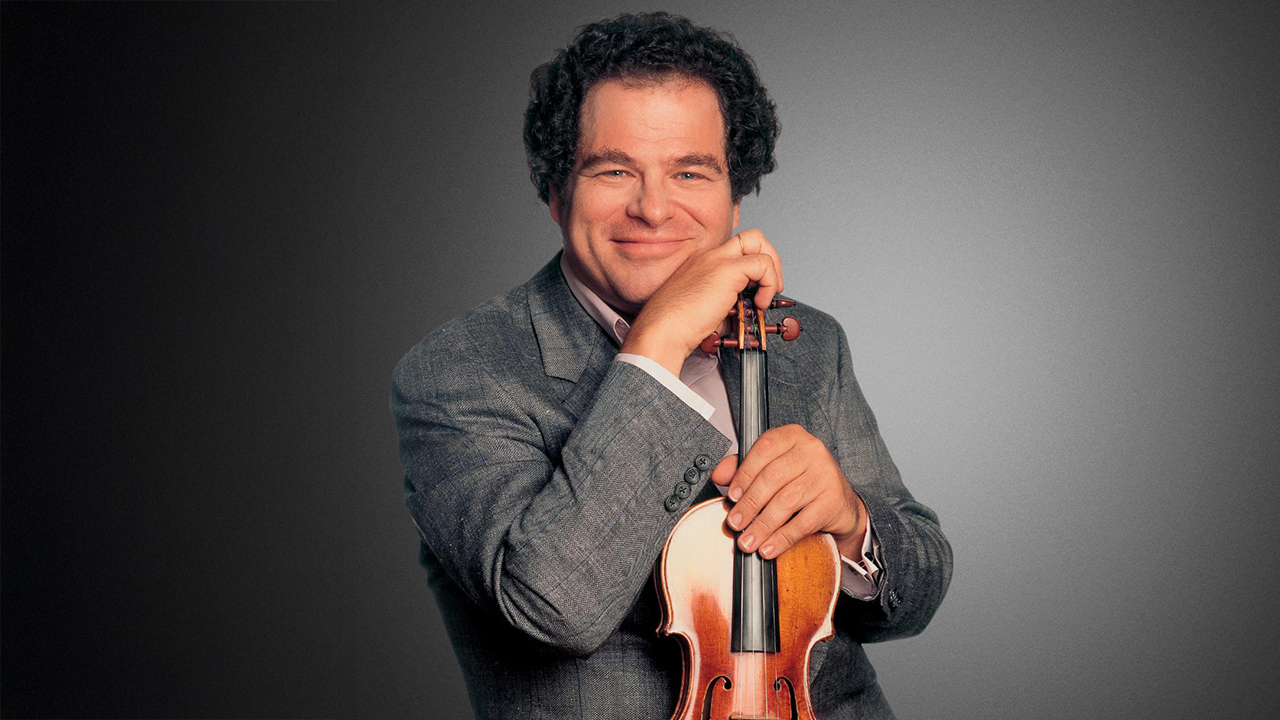
The Maestro Returns: Itzhak Perlman’s Triumphant Homecoming After Three Decades

Thirty years passed before Itzhak Perlman chose to return. It wasn’t just another concert. It wasn’t just another stop on the calendar. There’s a reason this stage called him back after three decades.
On a warm summer evening in 2026, the legendary violinist stepped onto the stage of Blossom Music Center in Cuyahoga Falls, Ohio, to the thunderous applause of thousands. For many in the audience, it was a full-circle moment. Perlman had last performed at this iconic outdoor venue with the Cleveland Orchestra more than 30 years earlier. Now, in his 80th birthday season, the master was back, bringing with him not only his unparalleled virtuosity but a lifetime of stories, warmth, and musical wisdom.
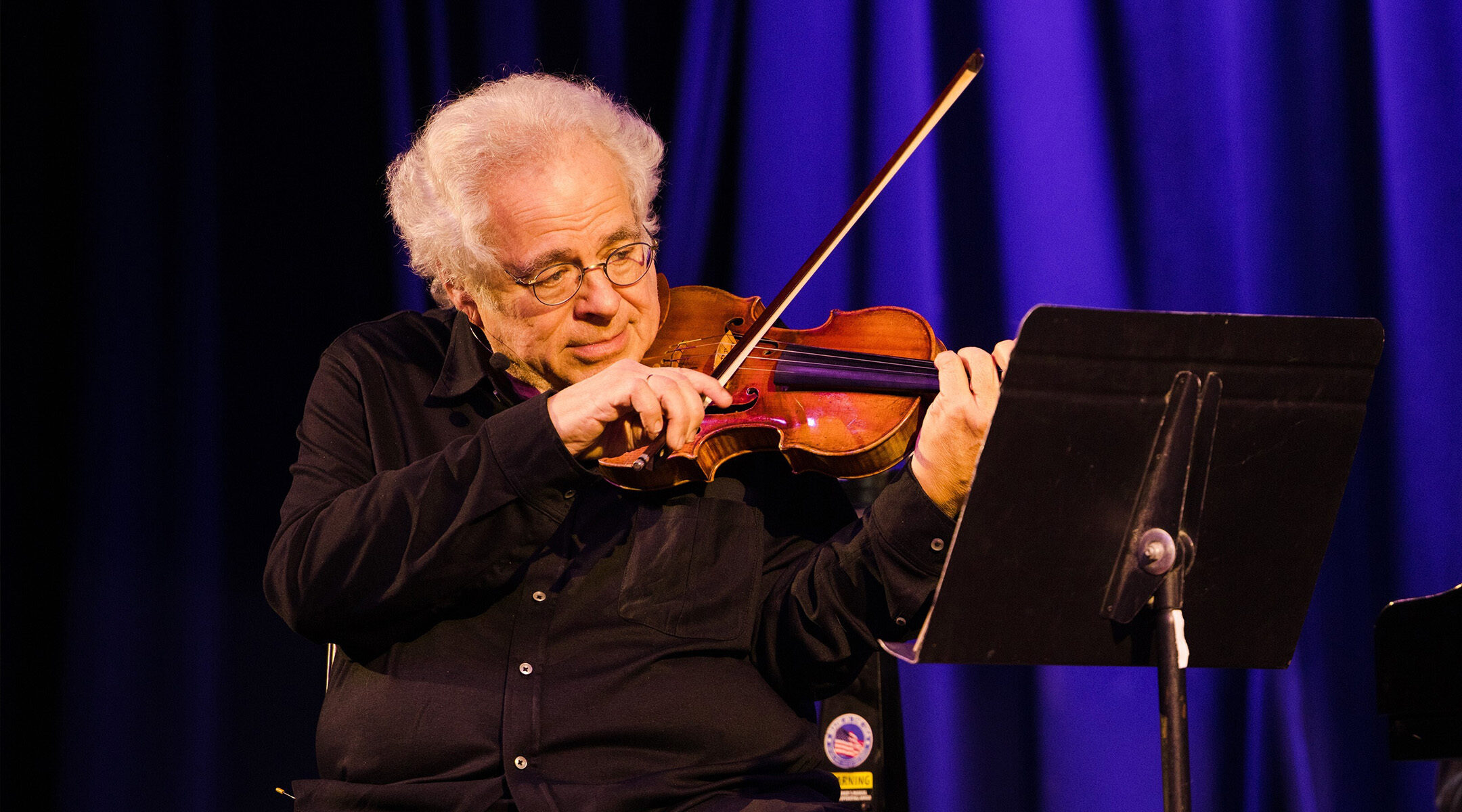
Born in Tel Aviv in 1945 to Polish-Jewish immigrants, Perlman’s journey to global stardom is the stuff of legend. Stricken with polio at age four, he began playing the violin as a form of therapy. By age 10, he had already performed on national radio. His 1964 appearance on The Ed Sullivan Show catapulted him into the American consciousness, and his 1978 recording of Vivaldi’s Four Seasons with the London Philharmonic Orchestra remains a benchmark of beauty and precision.
What sets Perlman apart, however, is not merely technical brilliance—though his tone is famously described as “golden” and his intonation flawless—but his profound humanity. He plays seated, a graceful acknowledgment of his disability that has never hindered his expressive power. Audiences worldwide have come to love not only the violinist but the man: his gentle humor, his generous spirit, and his commitment to mentoring the next generation through the Perlman Music Program, which he founded with his wife Toby in 1994.
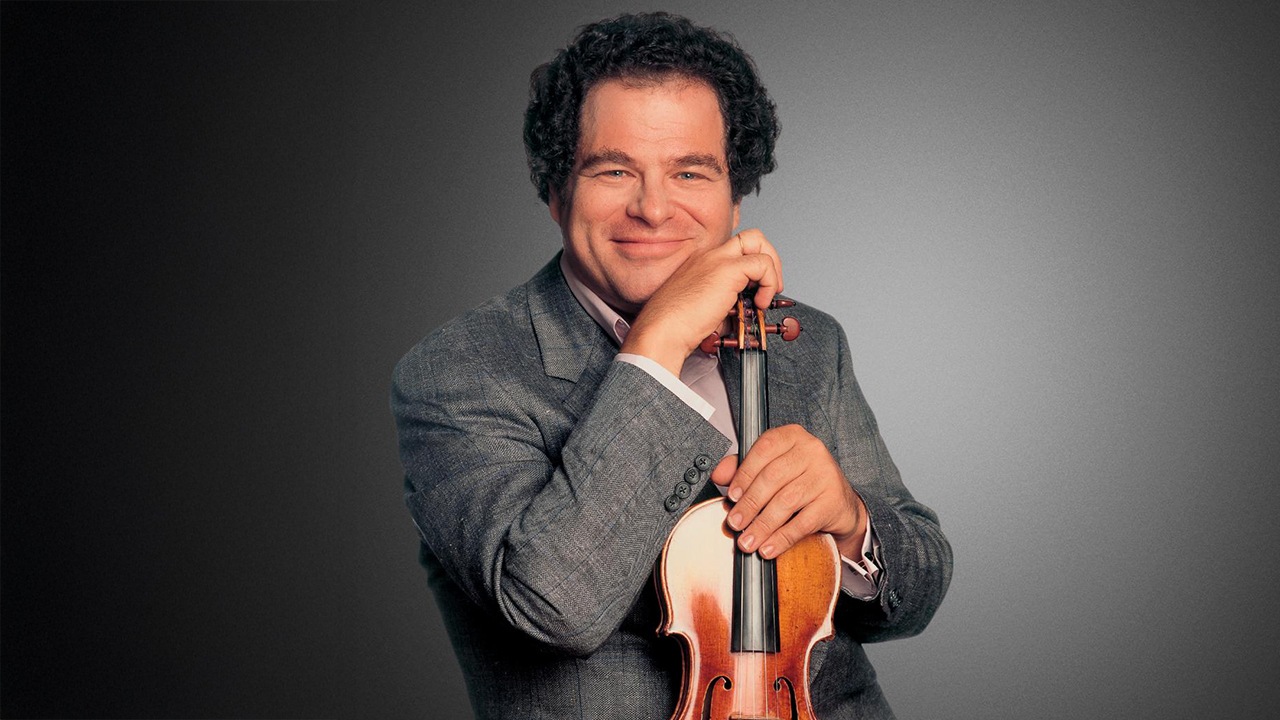
The Blossom return carried special emotional weight. The Cleveland Orchestra has long held a cherished place in Perlman’s career. Decades ago, he dazzled audiences here with Beethoven, Brahms, and Tchaikovsky. Life, touring schedules, and the demands of an international career kept him away for so long. But in 2026, the call of the familiar stage proved irresistible.
“This place holds memories,” Perlman reflected in interviews leading up to the performance. “The acoustics, the open sky, the incredible musicians—it feels like coming home.” The program was fittingly grand: an all-Beethoven evening featuring the Violin Concerto in D Major, a work that demands both technical fireworks and deep lyrical introspection. Accompanied by the Cleveland Orchestra under a distinguished conductor, Perlman delivered a performance that was at once nostalgic and fresh. His phrasing, refined over decades, revealed new layers of insight. Every note seemed to carry the weight of experience—joy, struggle, triumph, and serenity.
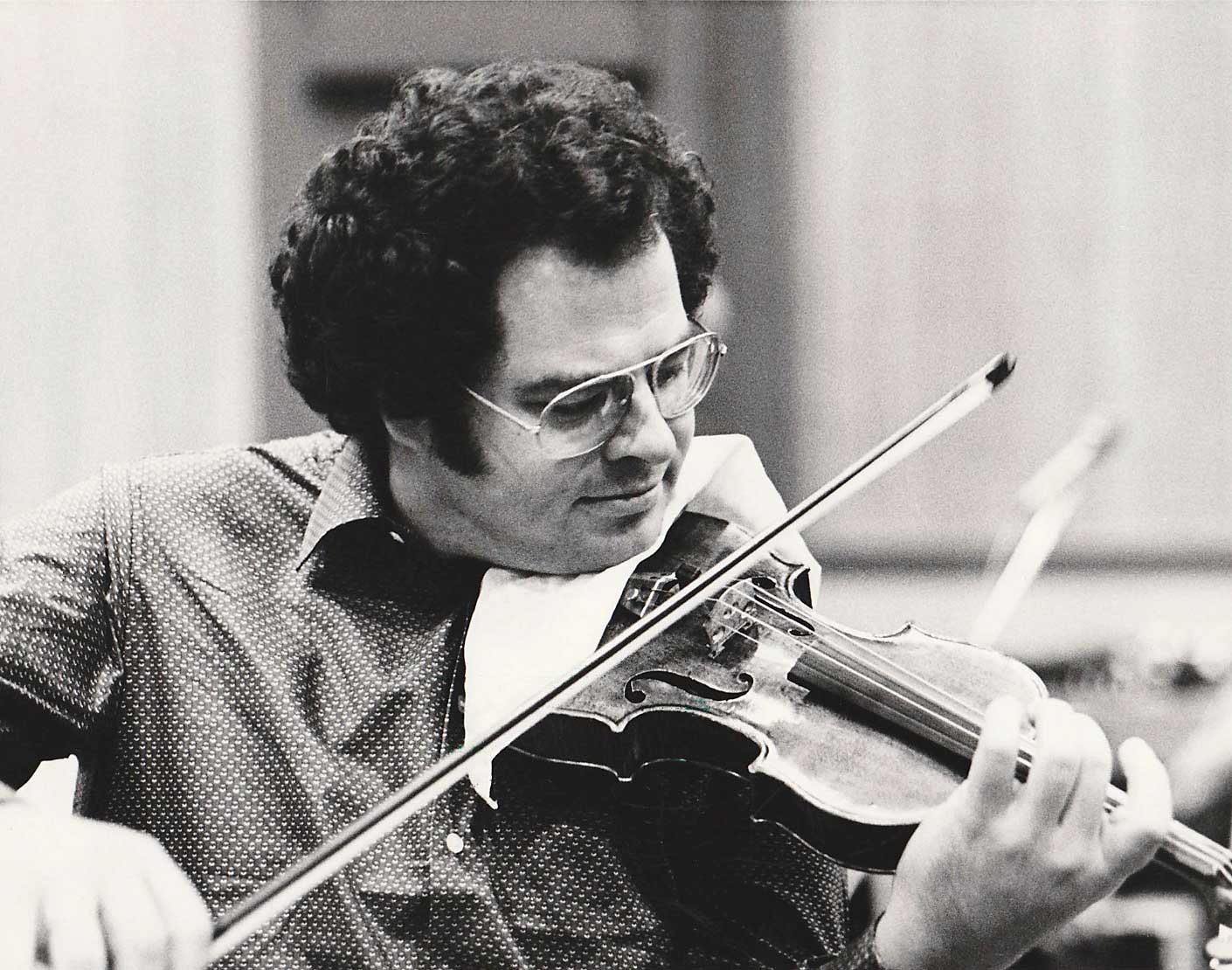
Beyond the music, the evening embodied Perlman’s evolution into a master storyteller. In recent years, his “An Evening with Itzhak Perlman” multimedia recitals have blended performance with personal anecdotes, archival footage, and reflections on a life in music. At Blossom, this warmth infused the orchestral night as well. Between movements, subtle moments of connection— a smile, a nod to the orchestra, a brief word to the audience—reminded everyone present why Perlman remains one of classical music’s most beloved figures.
The audience, a mix of longtime devotees, younger classical enthusiasts, and families drawn by the legend’s name, responded with standing ovations that seemed to shake the summer air. Many wiped away tears. For some, it was their first time seeing the maestro live. For others, it was a reunion with a childhood hero whose recordings had shaped their love of music.
Perlman’s return also highlights broader themes in the classical world. At 80, he continues to tour actively, collaborating with longtime pianist Rohan De Silva in recitals that blend tradition with intimate storytelling. His resilience in the face of physical challenges, his advocacy for music education, and his unwavering passion serve as inspiration in an era when classical music seeks new audiences.
As the final notes of the concerto faded into the Ohio night and encores brought the crowd to their feet once more, it was clear: this was more than a concert. It was a testament to the enduring power of music to bridge time, to heal, and to connect generations. Thirty years had passed, but the magic had only deepened.
Itzhak Perlman didn’t just return to the stage. He reminded us why certain artists become legends—not just for what they play, but for how they make us feel alive.