
Everything Viewers Thought About the Ending Was Just Turned Upside Down.
For years, Yellowstone fans believed they had finally figured out how the Dutton family’s epic saga truly ended. After five seasons of brutal ranch wars, betrayals, and heartbreaking losses, the series finale delivered what many saw as a poetic, redemptive close—particularly for Kayce Dutton. But a surprising evolution in Taylor Sheridan’s expanding Yellowstone universe, especially through the spin-off Marshals, is forcing everyone to rethink the legacy from an entirely different perspective. One overlooked detail—and the harsh realities of continuing the story—suddenly changes the meaning of everything that came before.

:max_bytes(150000):strip_icc():focal(749x0:751x2)/luke-grimes-rollout07252323-b856f67d8cbf409f8a6904dce5ec6200.jpg)
The Finale That Promised Peace
When Yellowstone concluded its flagship run, the focus landed heavily on Kayce Dutton (Luke Grimes), the youngest son who had spent the series torn between his Navy SEAL past, his Indigenous heritage through his wife Monica (Kelsey Asbille), and the crushing weight of his father John Dutton’s (Kevin Costner) legacy. In the emotional finale titled “Life Is a Promise,” Kayce orchestrated a landmark deal: selling the vast Yellowstone ranch back to Chief Thomas Rainwater (Gil Birmingham) and the Broken Rock Reservation for a symbolic $1.25 per acre—the original price paid by the Dutton ancestors in 1883.
This wasn’t just a business transaction; it was a fulfillment of a century-old promise. Kayce secured the East Camp for his family, ensuring they could live on the land without the “Y” brand or the endless cycle of violence. Viewers watched Kayce, Monica, and their son Tate ride off into a hopeful sunset, starting their own modest cattle operation. It felt like true closure—Kayce had broken free from his father’s shadow, forgiven past sins, and chosen family over empire. Many fans celebrated this as the rare happy ending in Sheridan’s often dark world.

“I saved the last script for as long as I could,” Grimes reflected in interviews, noting that Sheridan had known Kayce’s arc from the very beginning. The vision quest that haunted Kayce throughout the series seemed resolved: he no longer had to choose between his birth family and the one he built. Peace, at last.
Taylor Sheridan’s Revelation: The Story Wasn’t Over
But Taylor Sheridan, the mastermind behind the Yellowstone universe, had other plans. While the flagship series wrapped with a sense of resolution, Sheridan kept the door “wide open” for continuation. Recent developments in Y: Marshals—the CBS spin-off starring Grimes as Kayce—have upended that perceived finale in dramatic fashion. What fans thought was a permanent ride into the sunset has been reframed as merely a chapter’s end.
In Marshals, which picks up roughly a year after the Yellowstone finale, Kayce’s idyllic life is shattered. Monica’s absence is glaring—reports and trailer details confirm her character has passed away (from cancer in the narrative), leaving Kayce a widower raising Tate alone. This single tragic turn radically alters the meaning of the finale’s “happy ending.” The peace Kayce fought so hard for proves fleeting, pulling him back into a world of law enforcement as a U.S. Marshal. His SEAL skills and protector instincts, once set aside for ranch life, are reignited.
Sheridan and the Marshals team didn’t just extend the story—they challenged its emotional payoff. Kayce’s decision to sell the ranch and prioritize family now carries new weight: it becomes the calm before another storm. The overlooked detail? Sheridan’s long-term vision for characters often prioritizes ongoing conflict over permanent resolution. As one showrunner noted, the downtime between series forced Kayce to confront demons, but loss and new threats redefine his path. He evolves from a man seeking escape to one embracing duty again, deepening his bond with Tate amid fresh dangers.

This revelation reframes earlier seasons. Kayce’s vision quests, his internal struggles with violence, and his father’s burdensome legacy weren’t leading to a final, unbreakable peace. Instead, they prepared him for cycles of loss and redemption. Fans who believed the ranch sale closed the book now see it as a temporary sanctuary. The land deal with Rainwater, once a triumphant return to Indigenous stewardship, underscores themes of impermanence—even “happy” resolutions in the Yellowstone world are subject to Sheridan’s unpredictable storytelling.
Rethinking the Dutton Legacy
The shift forces a broader rethink of the entire franchise. John Dutton’s obsession with preserving the ranch at all costs led to countless deaths and moral compromises. Kayce’s finale choice seemed to reject that path, honoring the land by returning it while carving out a personal legacy. But Marshals introduces new antagonists eyeing the East Camp and ties back to the Duttons’ infamous “Train Station” dumping ground, suggesting the past’s violence can’t be fully outrun.
Beth (Kelly Reilly) and Rip (Cole Hauser) also moved on in the finale, buying their own ranch for a quieter life. Yet Sheridan’s universe rarely allows characters permanent stillness. The spin-offs explore how legacies ripple outward—Kayce’s story now mirrors his father’s in unexpected ways, as a provider and protector drawn back into conflict. This “upside down” twist highlights Sheridan’s commentary on the American West: cycles of land, family, and violence persist, no matter how hard one tries to break them.

Grimes has spoken about the challenge of returning to Kayce after what felt like a perfect ending. “He has his dream life now, so now what does he do?” The new series allows exploration of a “different Kayce”—one changed by grief, fatherhood, and renewed purpose. This evolution adds layers to the finale: what seemed like closure was actually a pivot point.
Why This Changes Everything for Fans
For dedicated viewers, this revelation is both thrilling and bittersweet. The finale’s emotional highs—Kayce forgiving John at the graveside, the family riding together, the symbolic land return—now carry poignant irony. The “one overlooked detail” is Sheridan’s commitment to authentic, unflinching drama over tidy bows. In interviews, he has emphasized knowing endings early but allowing the universe to grow organically through spin-offs like Marshals, The Madison, and others.
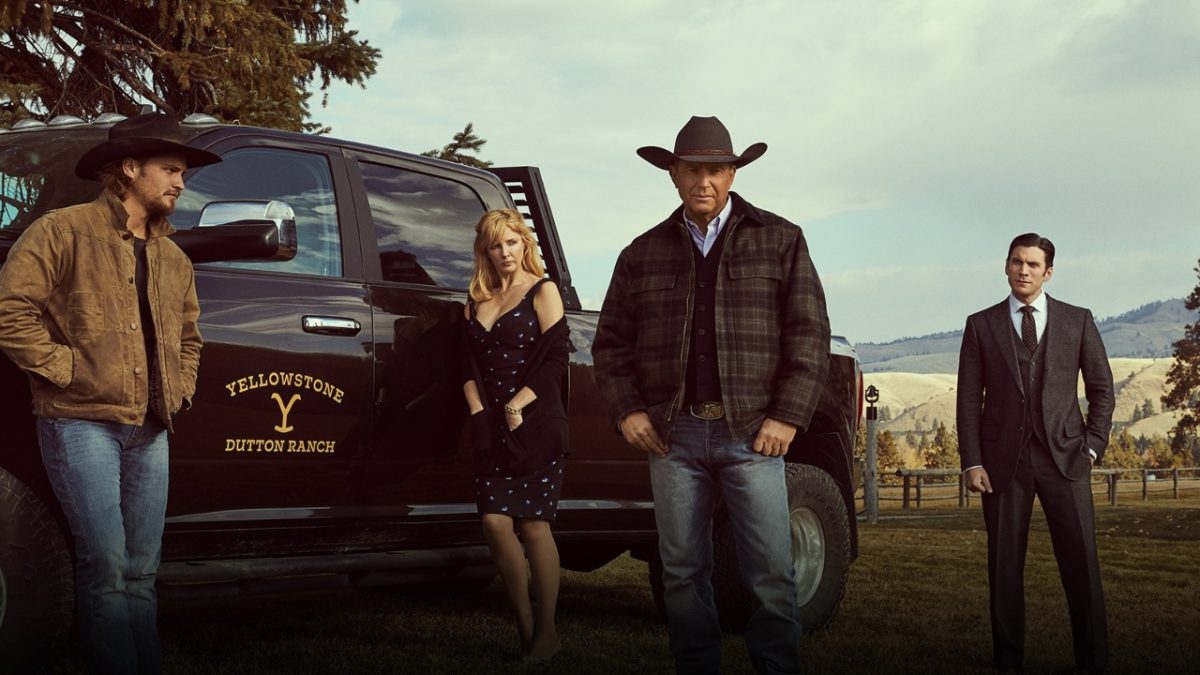
This approach keeps the franchise alive and culturally dominant. Marshals has drawn massive viewership, blending procedural elements with Western grit, while exploring Kayce’s growth as a father and lawman. It invites rewatches of Yellowstone with fresh eyes: every sacrifice, every moral gray area, builds toward an ever-expanding legacy rather than a singular conclusion.
Yet it also risks fan backlash. Some viewers cherished the finale’s hopefulness in a grim TV landscape. Turning that upside down reignites debates about whether characters like Kayce deserve enduring peace or must perpetually embody the West’s harsh realities. Sheridan, known for “rage-bait” elements that spark conversation, seems unconcerned—prioritizing story integrity over universal satisfaction.
What Lies Ahead for Kayce and the Universe
As Marshals unfolds, Kayce’s journey promises high-stakes action, deeper father-son dynamics with a now-older Tate, and confrontations with the Dutton past. The spin-off doesn’t erase the finale’s beauty; it complicates it, showing that legacies aren’t static. One generation’s resolution becomes the next chapter’s catalyst.
Taylor Sheridan’s revelation about Kayce—rooted in extending a beloved character’s arc through real human struggles—reminds us why Yellowstone captivated audiences: its refusal to let characters rest easy. The ranch may belong to the land’s original stewards, but the Dutton spirit, embodied by Kayce, rides on through new battles and bonds.
:max_bytes(150000):strip_icc():focal(999x0:1001x2)/luke-grimes-yellowstone-112924-0f4a18bf30e84c75bf6ad4ff357e1a2d.jpg)
In the end, everything fans thought about the ending was turned upside down—not as a cheap twist, but as a bold continuation of a modern Western epic. The legacy endures, richer and more complex than before. Whether you’re rewatching the original series or diving into the spin-offs, one thing is clear: in Taylor Sheridan’s Montana, the story is never truly over. It simply evolves.
(Word count: approximately 1,950)