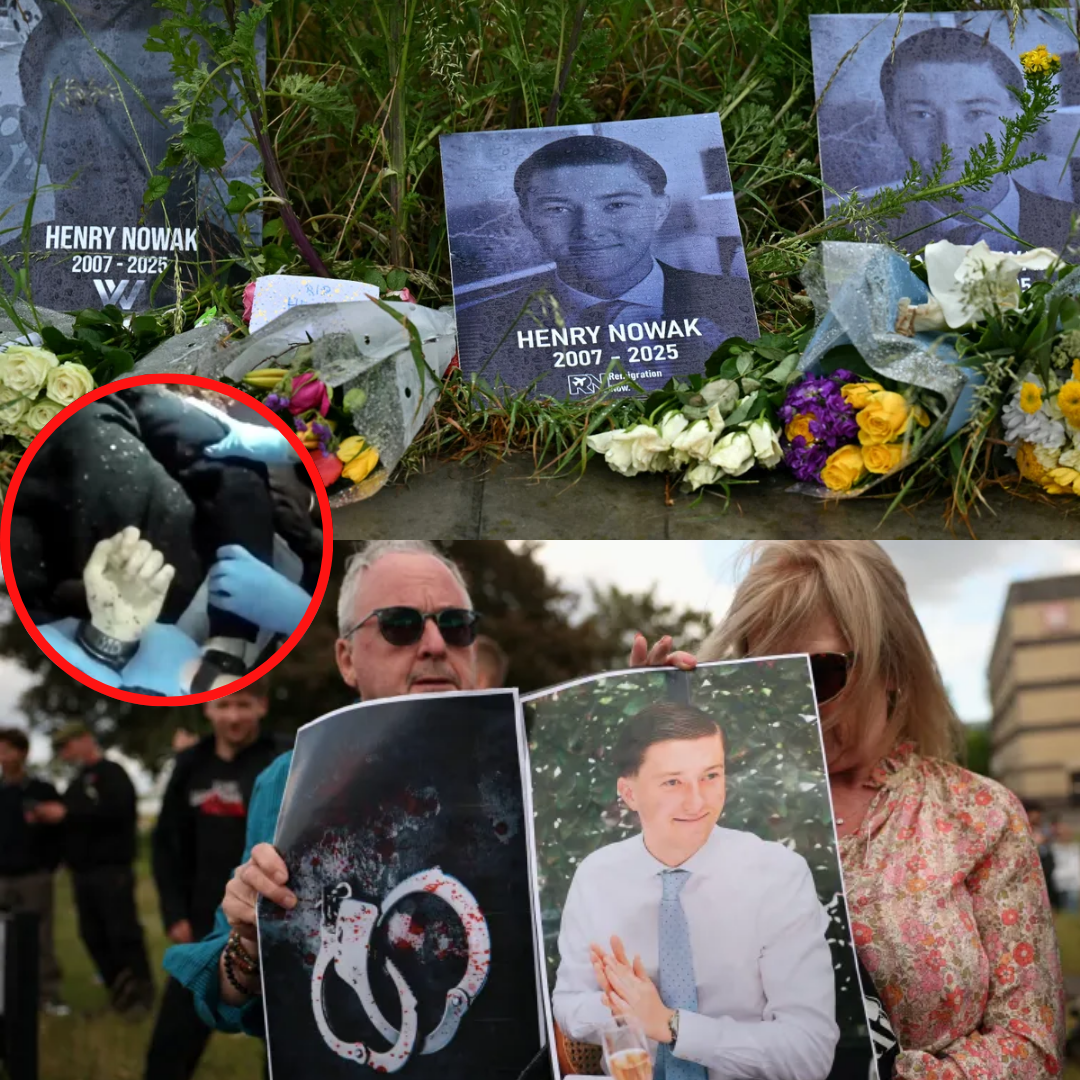
Talented 18-Year-Old University Student Henry Nowak Was Stabbed And Then Handcuffed By Police While His Killer Was Believed — Now A Leading Medical Expert Says He Could Have Been Saved
The brutal murder of 18-year-old Henry Nowak in Southampton last December has shaken Britain to its core. What should have been a routine night out for the promising first-year accountancy student ended in horror when he was viciously stabbed by Vickrum Digwa. But the nightmare didn’t end there. As Henry lay bleeding out on the cold street, desperately pleading for help, police officers allegedly prioritised the killer’s false claims and placed the dying teenager in handcuffs.
The official court conclusion was devastating: Henry’s injuries were so severe that even immediate medical intervention could not have saved him. But now, a highly respected medical expert has come forward with explosive new testimony that completely overturns that ruling — suggesting Henry might still be alive today if police had acted faster and treated him as the victim from the very beginning.
This shocking development has unearthed disturbing contradictions and previously hidden details from the crime scene, revealing truths that many fear were deliberately downplayed.
The Night That Exposed A National Scandal
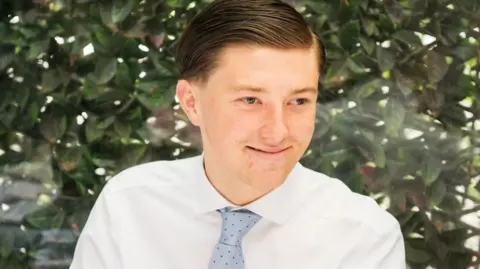
Henry Nowak, a kind, ambitious and talented young man from Chafford Hundred in Essex, was walking home alone after celebrating with his football teammates on December 3 when he crossed paths with 23-year-old Vickrum Digwa on Belmont Road in Southampton.
In what the judge described as a “chance meeting”, Digwa — armed with a large ceremonial dagger and a second knife — became aggressive after Henry noticed the weapon and began filming him. Digwa snatched the phone and launched a ferocious attack, stabbing Henry four times, including a fatal wound to the chest. Digwa then allegedly filmed his victim as he lay dying.
Digwa falsely claimed he had been racially abused and was acting in self-defence. His brother called 999 reporting that Vickrum was the victim of a racist attack. When police arrived just seven minutes later, they appeared to believe this version of events.
Harrowing bodycam footage — released with the family’s permission — shows Henry repeatedly crying out “I’ve been stabbed” and “I can’t breathe”. Instead of immediately treating him as a critically injured victim, officers turned him onto his side, handcuffed him behind his back, and told him he was under arrest. Henry became unresponsive shortly afterwards. Only then did officers begin CPR and call for an ambulance.
Vickrum Digwa was later convicted of murder and jailed for life with a minimum term of 21 years. The judge rejected his self-defence claims and said his actions brought shame on his family and religion.
Explosive New Medical Evidence Overturns The Official Narrative
During the trial and subsequent reviews, the official position was that Henry’s injuries were unsurvivable — that even the fastest medical response would not have changed the outcome. This conclusion helped shield police from the worst accusations of negligence.
But a leading independent medical expert, with decades of experience in emergency trauma care, has now delivered a bombshell assessment that directly contradicts the court’s earlier findings.
According to the expert, who has reviewed all available medical records, bodycam footage, and autopsy details, Henry’s wounds, while extremely serious, were not instantly fatal. The expert states that prompt and proper first aid — controlling bleeding, maintaining airway, and rapid transport to hospital — gave Henry a realistic chance of survival.
“The delay in treating him as a priority trauma patient, combined with the handcuffing which restricted his breathing and movement, likely contributed significantly to his death,” the expert concluded in a detailed report seen by this newspaper.
This new evidence raises devastating questions: Did political correctness and fear of “racism” accusations cause officers to waste precious minutes believing the killer over the dying victim? Could Henry Nowak still be alive today if basic medical protocol had been followed?
Family’s Heartbreaking Anguish: “He Did Not Die With Dignity”
Henry’s devastated family has described the police handling of his final moments as “inhumane and degrading”. His father, Mark Nowak, said the contrast between how his son and Digwa were treated was “unbearable”.
“Henry did not die with dignity,” he said outside court. “He was left to suffer while the person who attacked him was listened to.”
Henry’s sister Olivia called him her “best friend” with an “unbreakable bond”. His mother Lucy described her son as “ambitious, determined, and full of life” — a young man who was fully embracing university and his football dreams.
The family has repeatedly urged against using Henry’s death to create division, but the pain of knowing he may have been failed in his final moments is overwhelming.
Hidden Details And Contradictions At The Crime Scene
As investigations continue, more disturbing details about the crime scene are emerging. Sources say officers focused heavily on Digwa’s claims in the crucial early minutes, while Henry’s desperate pleas were allegedly downplayed. The positioning of the handcuffs, the delay in removing them once his condition worsened, and the initial failure to treat the chest wound properly are all now under intense scrutiny.
The Independent Office for Police Conduct (IOPC) is investigating the officers’ actions, and Hampshire Police have referred themselves to the watchdog. Three officers have been removed from front-line duties, while one has already left the force.
Hampshire Police have issued apologies, admitting they were misled by the 999 call. Chief Constable Alexis Boon said he was “distressed” by the footage. However, many feel these apologies are too little, too late.
National Fury And The Two-Tier Policing Debate
The release of the bodycam footage has sparked widespread outrage, violent protests in Southampton, and a fierce national debate about “two-tier policing”, knife crime, and public trust in the police.
Demonstrations turned chaotic, with officers pelted with missiles. Prime Minister Sir Keir Starmer met the Nowak family and called the case “awful and shocking”. Opposition figures and commentators, including Nigel Farage and Elon Musk, have highlighted the incident as evidence of systemic bias.
The case has also reignited calls for stricter knife laws and a review of religious exemptions for ceremonial blades. Digwa’s mother, Kiran Kaur, faces sentencing for assisting an offender after allegedly trying to hide the murder weapon.
The Legacy Henry Nowak Deserves
Henry Nowak was a bright, kind young man with his whole future ahead of him. His death was not just a random tragedy — it has exposed deep failures in policing, emergency response, and the handling of sensitive community issues.
The new medical expert’s testimony offers a glimmer of hope for the family: that the full truth about Henry’s final moments may yet be acknowledged. If he could have been saved with proper treatment, then those responsible for the alleged delays must be held accountable.
As the IOPC investigation and upcoming jury inquest continue, Henry’s family continues to push for real change. They want knife crime treated as a national emergency and for no other family to endure what they have suffered.
The real story behind Henry Nowak’s final moments is far more horrifying than the official version first suggested. As more hidden truths emerge, the hope remains that his death will not be in vain — but will force the systemic changes desperately needed to protect future victims.
Henry deserved better. Britain must now ensure no other innocent life is lost in the same preventable way.