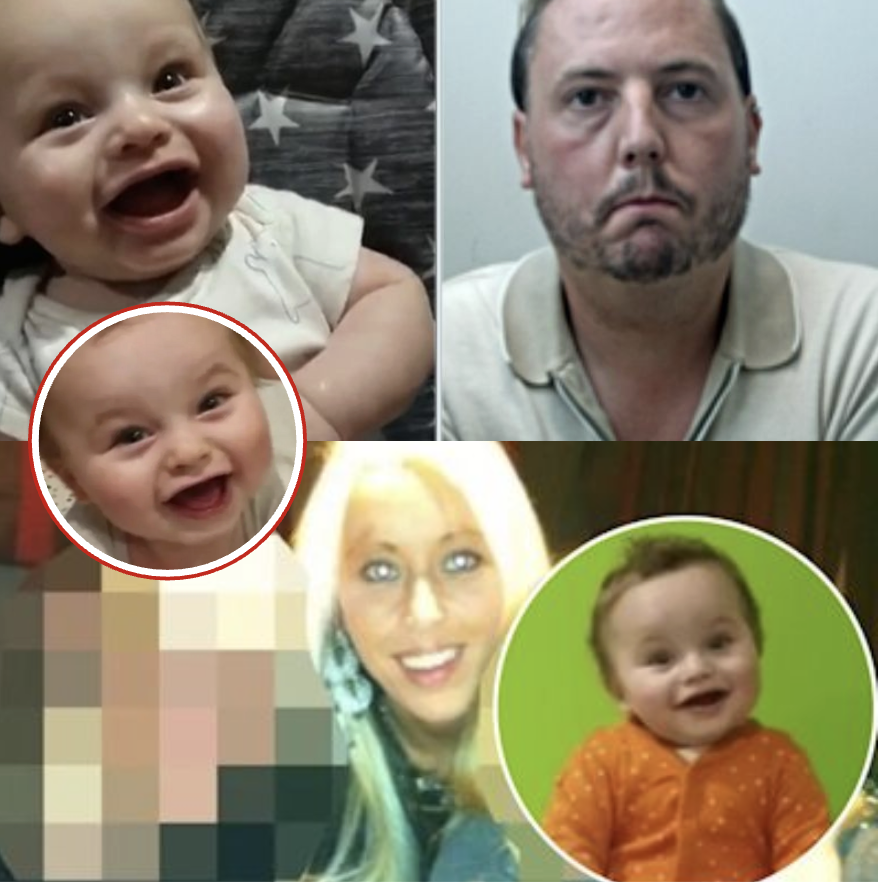
🚨 LEAKED CHILD PROTECTION REVIEWS EXPOSE DISTURBING PATTERNS ACROSS FIVE UK TRAGEDIES
LONDON — A comprehensive, multi-agency audit into five of the United Kingdom’s most agonizing child death cases—Preston Davey, Isabelle Rose Welsh, Kaylani Kalanzi, Kol Page, and Jensen-Lee Dougal—has reached a critical turning point. Following the conclusion of individual criminal trials across various Crown Courts, internal reviews and unsealed safeguarding reports have surfaced, exposing systemic vulnerabilities, fragmented inter-agency communication, and recurring operational blind spots across local social services, healthcare trusts, and law enforcement frameworks.
As public scrutiny over local authority oversight reaches a boiling point, leaked draft findings from independent child safeguarding practice reviews (CSPRs) reveal a consistent, nation-wide pattern: high-risk households frequently fell through structural gaps created by siloed data systems, unverified caregiver disclosures, and high staff turnover.
The Five Cases Under the Safeguarding Lens
While each tragic case occurred under distinct domestic circumstances in different regions across the UK, oversight panels analyzing the overarching systemic footprint identified striking parallels in how early warning signs went uncoordinated:
-
Preston Davey (Blackpool): Placed in a trial adoption setting, the 13-month-old suffered catastrophic physical abuse over a four-month period. Review documents point to inadequate unannounced site checks, an over-reliance on surface-level assessments, and a failure to cross-reference historical social care alerts across regional borders.
-
Isabelle Rose Welsh (Thornaby-on-Tees): The two-year-old succumbed to severe head trauma and was found to have 21 fractured bones at varying stages of healing. Audits highlight missed opportunities by visiting health professionals who accepted plausible explanations—such as cot-slat entanglements—for severe skeletal injuries without triggering immediate multi-agency child protection escalations.
-
Kaylani Kalanzi (Hounslow): Safeguarding files detail how warning flags raised by extended family members and educational contacts regarding domestic instability were managed as isolated incidents rather than evaluated through a cumulative risk matrix.
-
Kol Page (Nottinghamshire): Reports uncover significant delays in multi-agency response times following initial referral alerts, where heavy caseloads and administrative backlogs pushed urgent welfare visits past critical intervention windows.
-
Jensen-Lee Dougal (Scotland/North of England): Review findings emphasize a breakdown in cross-border intelligence sharing between regional police forces and local authority children’s services when high-risk individuals relocated across municipal lines.
Core Findings: The Four Systemic Gaps Exposed
The aggregated oversight documents detail four primary structural failures that allowed severe domestic abuse to remain concealed behind closed doors:
1. The “Optimism Bias” in Assessment Protocols
Inspectors noted a recurring tendency among visiting social workers and health visitors to accept explanations provided by primary caregivers at face value—a psychological phenomenon officially categorized in safeguarding audits as “professional optimism.” In several instances, visible soft-tissue injuries or sudden behavioral shifts were recorded as accidental without requiring mandatory secondary pediatric examinations.
2. Siloed Data and Information Chokepoints
Despite years of digital infrastructure investments, health visitors, local council social care teams, emergency departments, and police units frequently operated on isolated database software. Crucial pieces of context—such as a partner’s unrecorded history of domestic violence or frequent emergency room visits across different hospital trusts—were rarely combined into a unified, real-time risk profile.
3. Mismanaged Trial Placements and Relocations
When families or prospective adoptive parents relocated across council boundaries, case files frequently experienced severe transmission delays. In the cases of Preston Davey and Jensen-Lee Dougal, the transition period between regional authorities created temporary “blind zones” where active monitoring dropped significantly.
4. Staffing Constraints and Caseload Saturation
Audit logs from multiple regional councils highlighted severe workforce retention crises, where frontline child protection officers carried caseloads up to 40% above recommended national standards. This operational strain directly led to delayed follow-ups, reliance on scheduled rather than unannounced visits, and high turnover rates that broke continuity of care.
Ministerial Responses and National Reform Demands
The publication and leak of these consolidated review findings have prompted immediate calls for structural reform from children’s rights advocates, parliamentary committees, and legal experts across the UK.
Speaking in response to the growing national debate, representatives from leading child protection charities emphasized that piecemeal policy updates are no longer sufficient to address systemic breakdowns.
“The recurring patterns identified across the cases of Preston, Isabelle, Kaylani, Kol, and Jensen-Lee demonstrate that our national safeguarding infrastructure is fundamentally fragmented,” stated a senior child welfare advocate. “When agencies fail to talk to one another, when warning flags are viewed in isolation, and when administrative delays override urgent interventions, vulnerable children pay the ultimate price. We need mandatory national data-sharing protocols immediately.”
The Path Forward: Mandatory Policy Overhauls
In response to the audit recommendations, the Department for Education alongside local safeguarding partnerships have announced emergency reviews aimed at implementing nationwide operational changes:
-
Unified Child Protection Register: Accelerated roll-out of a centralized, real-time digital portal linking police flags, NHS emergency admissions, and social care files across all UK councils.
-
Mandatory Dual-Agency Escalations: Establishing strict legal mandates requiring any unexplained injury in a child under the age of five to be automatically investigated by both a social care team and an independent medical specialist.
-
Overhaul of Cross-Border Transfers: Enforcing strict 48-hour data transfer rules when high-risk families or adoption placements cross regional or municipal boundaries.
While the legal judgments against those responsible for these five deaths have concluded in court, the administrative and political battle over systemic accountability is just beginning. Parliamentary committees are scheduled to hold formal hearings in the coming weeks to determine how local authorities will be held accountable to prevent similar tragedies in the future.