CASE CLOSED: THE SEVEREST POSSIBLE SENTENCE HANDED DOWN TO NDODANA MKHANYISI TSHUMA.
GREAT DENHAM, BEDFORDSHIRE — A case involving the deaths of three people has become the focus of renewed attention following claims that 45-year-old Ndodana Mkhanyisi Tshuma pleaded guilty to all charges and received the most severe punishment available under the law.
The reported development would represent a significant turning point in a tragedy that has left devastating questions about the circumstances surrounding the victims’ deaths.
However, the precise sentence, the charges formally admitted, and the outcome of the court proceedings require confirmation from an authoritative court record or reliable reporting.
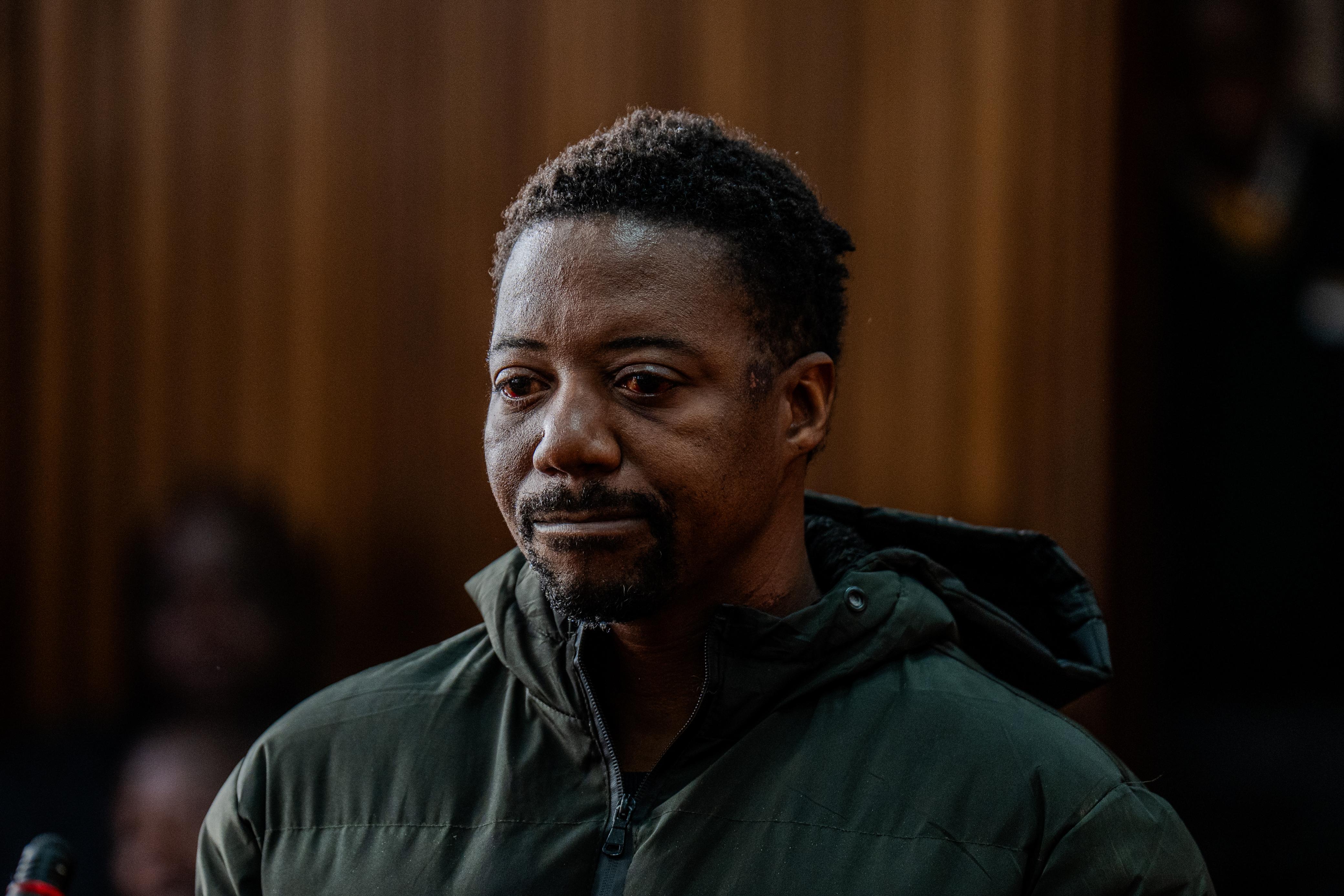
A TRIPLE-MURDER CASE THAT DEMANDS ANSWERS
At the centre of the case is Tshuma, whose name has been linked in the supplied account to three deaths in Great Denham.
The allegation that three lives were taken in a single case makes the circumstances particularly grave. Beyond the legal proceedings lies the human cost: three individuals whose lives ended, and families who must confront the consequences of their loss.
A guilty plea to murder, if confirmed, would mean that the defendant formally admitted criminal responsibility for the killings. Such an admission can remove the need for a full trial to establish guilt, although a sentencing hearing may still examine the circumstances of the offences and their impact on the victims’ families.
The supplied account describes Tshuma as having admitted all charges. Yet it does not provide the names of the victims, the dates of the alleged offences, or the specific charges recorded by the court.
Those details are essential to understanding the case accurately.
WHAT DOES THE HARSHEST SENTENCE MEAN?
The claim that Tshuma received the severest possible punishment has attracted particular attention.
Under the law of England and Wales, murder carries a mandatory life sentence. However, life imprisonment does not automatically mean that a person will remain behind bars until death.
A sentencing judge determines whether an offender must serve a minimum period before becoming eligible for consideration for release, or whether the circumstances justify a whole-life order.
A whole-life order means that the offender will ordinarily never be released from prison.
Such orders are reserved for exceptionally serious murder cases and are subject to strict legal requirements.
Without the actual sentencing remarks, it would be misleading to state that Tshuma received a whole-life order or to specify a minimum prison term.
The distinction matters enormously, particularly for the families waiting to understand the full consequences of the proceedings.
THE VICTIMS AT THE HEART OF THE TRAGEDY
The three victims have been identified as Tshuma’s wife, Nothabo Zandile Tshuma, 42, and their daughters, Natalie, 15, and Nala, five.
Their bodies were discovered at the family’s Great Denham home on July 7, 2026. Subsequent reporting identified blunt-force injuries as the cause of death. <Cite refs={[“turn451392search0″,”turn451392search11”]}/>
The ages of the two girls have made the tragedy especially heartbreaking. Natalie was a teenager, while Nala was only five years old.
The loss of a mother and two children has left relatives seeking answers and accountability.
THE LATEST COURT DEVELOPMENT CHANGES THE PICTURE
Despite claims that the case has concluded, the latest verified reporting tells a different story.
On October 29, Tshuma’s proceedings in Johannesburg were postponed until November 10 after his defence requested further consultations concerning a plea agreement.
He had pleaded guilty to firearms and immigration offences in South Africa, not to the three British murder charges. Extradition proceedings also remained outstanding. <Cite refs={[“turn451392search3″,”turn451392search8”]}/>
British prosecutors have authorised three murder charges, but Tshuma has not been confirmed convicted or sentenced for those deaths.
For the victims’ relatives, the legal process therefore remains unfinished.
The central issue is no longer simply whether a severe punishment might eventually follow. It is whether the proceedings will establish what happened to Zandile, Natalie and Nala, and deliver a legally supported outcome.
Until that happens, the devastating Great Denham case remains a story of three lives lost, a family seeking justice, and crucial court decisions still to come.