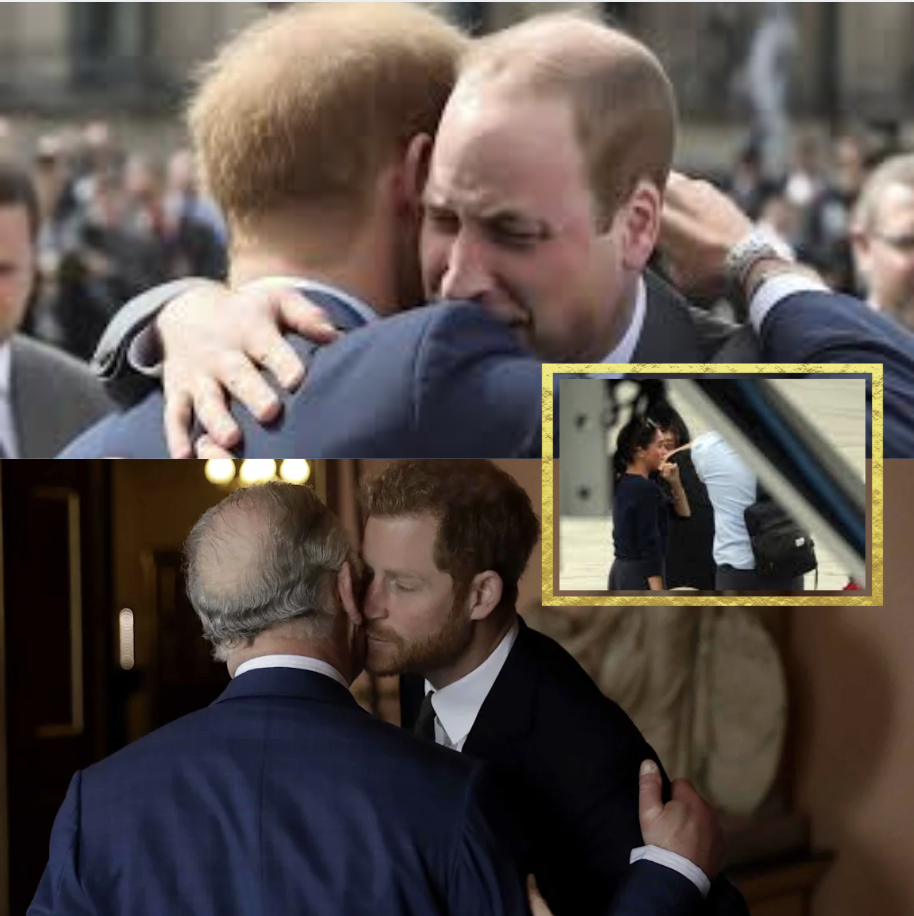
“MY HEART ACHES”: Viral Claims About Prince Harry Spark Confusion — But Where Are the Facts?
A wave of alarming social media posts spread rapidly this week, claiming that Prince Harry broke down on live television while revealing a devastating personal update about his family in the United States. The posts, often paired with emotional language and urgent calls to “watch before it’s taken down,” quickly gained traction across multiple platforms.
But a closer look reveals a very different picture: as of now, there is no verified evidence that such a broadcast ever took place.
A Story That Spread Faster Than It Could Be Verified
The viral claim followed a familiar pattern. Dramatic headlines, vague references to a “live TV moment,” and partial quotes—such as “My heart aches” and “My wife has…”—were used to draw attention without providing concrete details.
Within hours, the story had been shared thousands of times. Yet despite its reach, no major broadcaster, news organization, or official source has confirmed the existence of the alleged interview or statement.
Searches across verified media outlets, including international television networks and royal correspondents, show no record of a recent live appearance by Prince Harry matching the description in the viral posts.
The Montecito Factor
Part of what gave the rumor traction is its reference to Montecito, California, where Prince Harry lives with Meghan Markle and their children.
The couple has made the coastal California town their home since stepping back from official royal duties in 2020. Since then, their personal lives have been the subject of intense global interest—often blurring the line between verified reporting and speculation.
By invoking Montecito and suggesting a hidden crisis, the viral posts tapped into an existing curiosity about the couple’s private life, making the claims feel plausible to some readers despite lacking evidence.
No Confirmed Broadcast, No Verified Statement
Media analysts point out a key issue: in today’s global media landscape, a genuine emotional breakdown by a high-profile figure like Prince Harry on live television would be widely documented across multiple reputable outlets within minutes.
“There’s simply no way a moment like that happens and leaves no credible trace,” said one media expert. “If it were real, you would see full video, official clips, network confirmation—not just fragmented captions and recycled posts.”
So far, none of those indicators have surfaced.
No verified clip has been authenticated. No broadcaster has claimed ownership of the footage. And no official spokesperson has issued a statement addressing such an event.
The Power of Suggestion in Viral Content
The phrasing used in the circulating posts—particularly incomplete quotes like “My wife has…”—is a well-known tactic in viral content design. It creates suspense while encouraging users to click, share, or comment to “find out more.”
In reality, such posts often lead to unrelated or misleading content, or fail to provide any substantiated information at all.
“This kind of structure is engineered to trigger emotional reactions,” explained a digital media researcher. “It gives the impression of urgency and exclusivity, even when there’s no factual basis.”
A Pattern Seen Before
This is not the first time members of the British royal family have been the subject of viral misinformation.
Both Prince Harry and Meghan Markle have frequently appeared in misleading headlines or fabricated narratives online—particularly during periods when they are not actively making public appearances.
Experts say the combination of global recognition, limited direct communication, and high public interest makes them especially vulnerable to rumor cycles.
“When there’s a gap in verified updates, speculation rushes in to fill it,” said one royal correspondent.
What Has Actually Been Confirmed
As of this report, there have been no official announcements from Prince Harry, Meghan Markle, or their representatives indicating any new personal crisis or “tragic update” involving their family.
Recent public information about the couple has focused primarily on their ongoing projects, including media ventures and philanthropic initiatives.
There has also been no confirmation of any emergency situation at their Montecito residence.
Why Verification Matters
While the viral story may seem compelling, it highlights a broader issue in modern media consumption: the speed at which unverified claims can spread compared to the slower process of fact-checking.
In emotionally charged situations—especially those involving well-known public figures—false or exaggerated information can cause unnecessary concern and confusion.
“It’s important for audiences to pause and ask: where is this coming from?” one analyst said. “If there’s no source, no full context, and no confirmation, that’s a strong signal to be cautious.”
The Human Impact of Misinformation
Beyond the headlines, there is also a real-world impact to consider. Public figures, despite their visibility, are still individuals with families. False narratives about health, tragedy, or personal crises can carry consequences—not just for those involved, but for audiences who believe and react to the information.
In this case, the claim of a “devastating revelation” has generated concern among readers without any factual basis to support it.
The Bottom Line
Despite the emotional tone and widespread sharing of the story, there is no verified evidence that Prince Harry has made any recent live television appearance involving a breakdown or a tragic announcement about his family.
There is also no confirmed crisis involving Meghan Markle or their home in Montecito.
What exists instead is a viral narrative—constructed through suggestive language, incomplete quotes, and the powerful pull of curiosity.
A Reminder for Readers
In an age where information travels instantly, credibility still matters. Dramatic headlines may capture attention, but verified facts are what ultimately define the truth.
Until confirmed details emerge from reliable sources, the story remains what it appears to be: a compelling—but unsubstantiated—claim.
And for now, the reality is far less dramatic than the headlines suggest.