Expert Report by Royal Sussex Consultant Casts Fresh Doubt on Safety of Lucy Letby Convictions
A detailed report co-authored by a leading consultant neonatologist has raised significant new questions about the reliability of the evidence that led to nurse Lucy Letby being convicted of multiple murders and attempted murders. The analysis, which has been submitted to the Criminal Cases Review Commission, suggests there may be serious flaws in key aspects of the prosecution’s case against the former neonatal nurse. Letby, 36, was jailed for life after being found guilty of murdering seven newborn babies and attempting to murder seven others while working at the Countess of Chester Hospital. The latest expert intervention adds to a growing body of professional opinion that has expressed concerns about the safety of her convictions.
Neil Aiton and Hilde Wilkinson-Herbots Question Evidence Presented at Trial
The report was prepared by Neil Aiton, a consultant neonatologist at the Royal Sussex County Hospital in Brighton and an honorary senior lecturer at the Brighton and Sussex Medical School, together with Hilde Wilkinson-Herbots, an associate professor at the Department of Statistical Science at University College London. Their 100-page document, according to Private Eye, carefully examines aspects of the medical and statistical evidence used during Letby’s trial. It particularly focuses on the testimony given by Professor Peter Hindmarsh, a paediatric endocrinologist at University College London, alleging errors of fact and significant omissions in the information provided to the jury.
The analysis suggests that certain potential explanations for the babies’ medical conditions were not fully explored or presented in court. Private Eye reported that the document claims an email from Professor Hindmarsh indicated he was aware of other possible causes for the elevated insulin levels observed in some of the infants. These alternative explanations, if they had been placed before the jury, could potentially have led to different conclusions about how the babies’ conditions arose. The report raises important questions about whether all relevant medical possibilities were adequately considered during the original proceedings.
Concerns Over How Alleged Insulin Poisoning Could Have Occurred
One of the most challenging aspects highlighted in the report relates to the practical difficulties of the alleged method of poisoning. The document questions how Letby could have administered insulin in cases where she was not even on duty at the time. It points out the logistical challenges of predicting when a particular nutrition bag would be needed, selecting the correct bag from many available options, and then secretly introducing insulin into a tamper-proof package. These practical issues, the experts suggest, were never satisfactorily explained during the trial, even though poisoning remained a theoretical possibility. The analysis argues that such gaps in the evidence could have important implications for the overall safety of the convictions.
The report represents the latest contribution from medical and statistical professionals who have scrutinised the Letby case. A growing number of experts have identified what they consider to be significant weaknesses in the evidence presented to the jury, adding weight to calls for a thorough review of the verdicts. Dr Aiton’s extensive experience in neonatology and Dr Wilkinson-Herbots’ statistical expertise bring considerable authority to their joint assessment of the medical and evidential issues at the heart of the case.
:max_bytes(150000):strip_icc():focal(1067x485:1069x487)/the-investigation-of-lucy-letby-020626-6e84984fcf694e29a79a78208d29cacd.jpg)
Lucy Letby’s Legal Team Submits Report to Criminal Cases Review Commission
Letby’s legal team has formally submitted the report to the Criminal Cases Review Commission, the independent body responsible for investigating potential miscarriages of justice. The move is part of ongoing efforts to challenge the safety of her convictions and to seek a referral back to the Court of Appeal. The detailed nature of the 100-page document reflects the seriousness with which the experts have approached their review of the original trial evidence. By focusing on specific areas of medical and statistical interpretation, the report aims to demonstrate that important information may not have been fully considered by the jury during the proceedings.
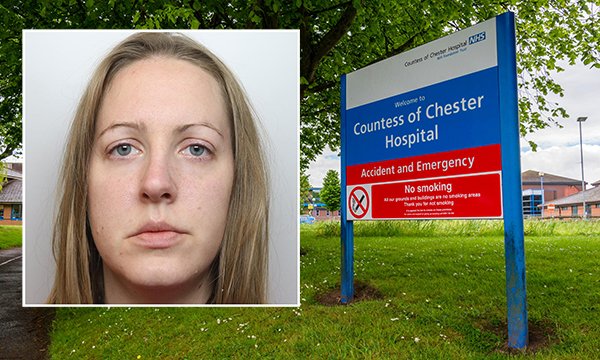
The Countess of Chester Hospital, where Letby worked as a neonatal nurse, became the centre of a major investigation following concerns about an unusual number of collapses and deaths among premature babies in her care. The subsequent trial attracted intense public interest, with Letby ultimately being convicted on multiple counts of murder and attempted murder. However, the emergence of expert criticism in the months since her conviction has fuelled debate about whether the case against her was as conclusive as the jury was led to believe.
Broader Questions Raised About Evidence and Trial Process
The involvement of Dr Aiton, a highly experienced consultant in newborn care, lends particular weight to the concerns about how certain medical evidence was interpreted and presented. His co-author’s statistical background has allowed for a detailed examination of the data and probabilities involved in the case. Together, their report suggests that alternative medical explanations may not have been given sufficient consideration, potentially affecting the jury’s understanding of how the babies’ conditions developed. These issues go to the heart of whether the convictions can be considered safe under the normal standards of criminal justice.
The case has already generated considerable discussion within medical and legal circles, with several professionals coming forward to express reservations about aspects of the evidence. The submission of this latest report to the Criminal Cases Review Commission marks a significant step in the process of seeking a formal review. If the Commission determines that there is a real possibility the convictions are unsafe, it could refer the matter back to the Court of Appeal for further consideration. Such a development would represent a major development in what has become one of the most closely watched criminal cases in recent British history.

Public and Professional Interest in Letby Case Continues to Grow
The Letby case has captivated public attention since the details of the allegations first emerged, with the vulnerability of the tiny victims and the trusted position held by their nurse adding to the sense of horror surrounding the crimes. Letby has consistently maintained her innocence, and her legal team continues to work on challenging the verdicts through every available avenue. The emergence of expert reports questioning key elements of the prosecution’s case has added fuel to the debate about whether justice was properly served in this complex and emotionally charged matter.
As the Criminal Cases Review Commission considers the latest submission, many will be watching closely to see whether the concerns raised by Dr Aiton and Dr Wilkinson-Herbots are deemed sufficient to warrant a fresh look at the convictions. The report’s focus on potential omissions and alternative explanations highlights the importance of ensuring that all relevant medical evidence is thoroughly examined in cases of this nature. For the families of the babies involved, the ongoing legal processes bring additional emotional strain as they seek closure while the case continues to be examined from multiple perspectives.

The involvement of respected medical professionals in questioning aspects of the Letby convictions underscores the complexity of the medical evidence presented at trial. Neonatal care involves highly specialised knowledge, and differing interpretations of clinical data can significantly affect how cases are understood. The latest report adds to the body of expert opinion suggesting that the original trial may not have captured the full range of possible explanations for the babies’ collapses and deaths. As the review process continues, the focus remains on ensuring that justice is both done and seen to be done in this deeply troubling case.