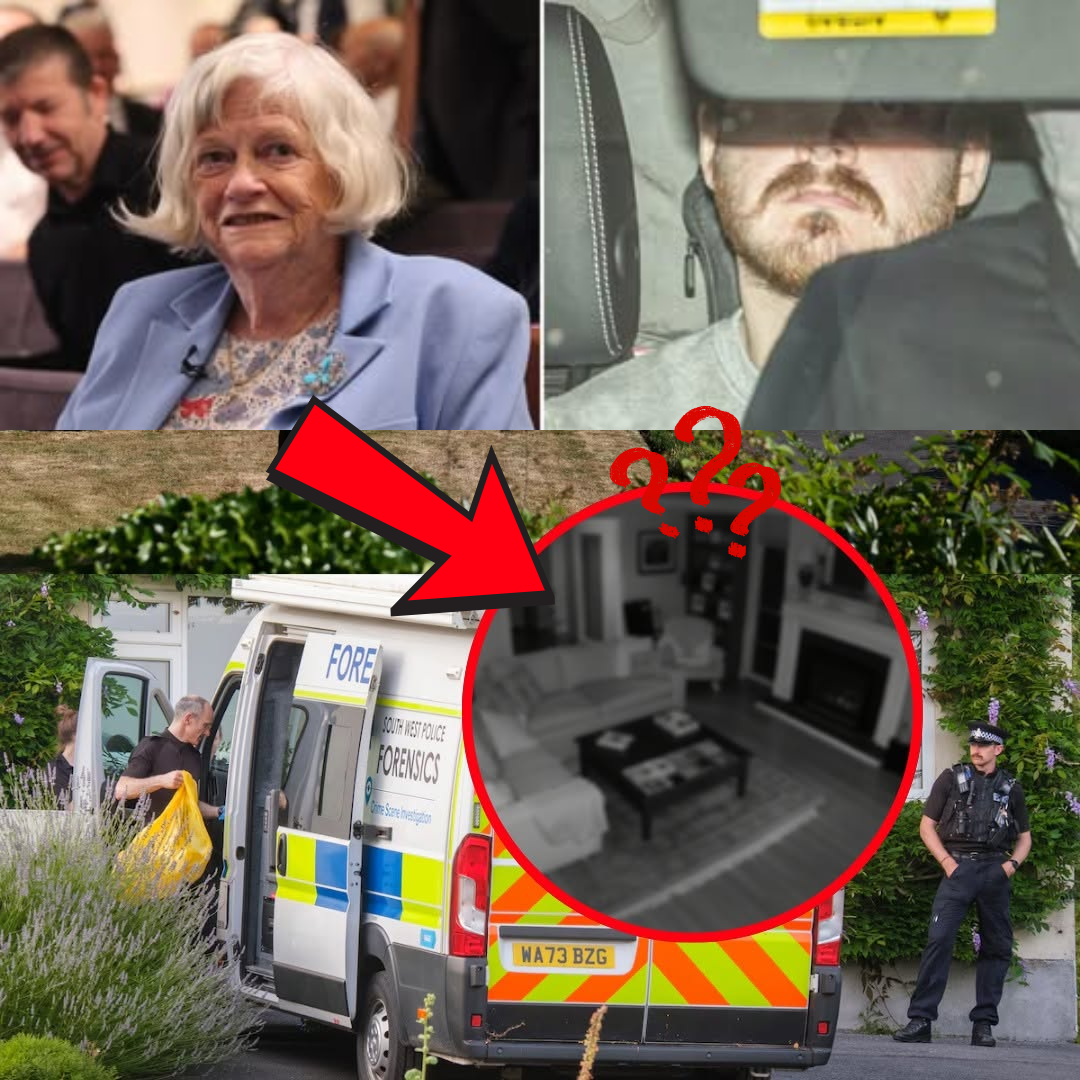
LEAKED SECURITY CAMERA FOOTAGE AT ANN WIDDECOMBE’S HOME BECOMES THE MAIN FOCUS AT TRIAL
As court proceedings continue in the brutal murder of former UK minister Ann Widdecombe, a newly disclosed piece of security camera data has sent shockwaves through the courtroom. Mentioned directly in the official case files, the footage captures the critical minutes immediately preceding the attack at her Devon home. Legal analysts believe this video could be the decisive link needed to reconstruct the exact timeline and expose the premeditated nature of the assault. The eerie movement captured on camera just three minutes before the break-in that stunned prosecutors was the arrival of a lone figure approaching the quiet bungalow on the edge of Dartmoor.
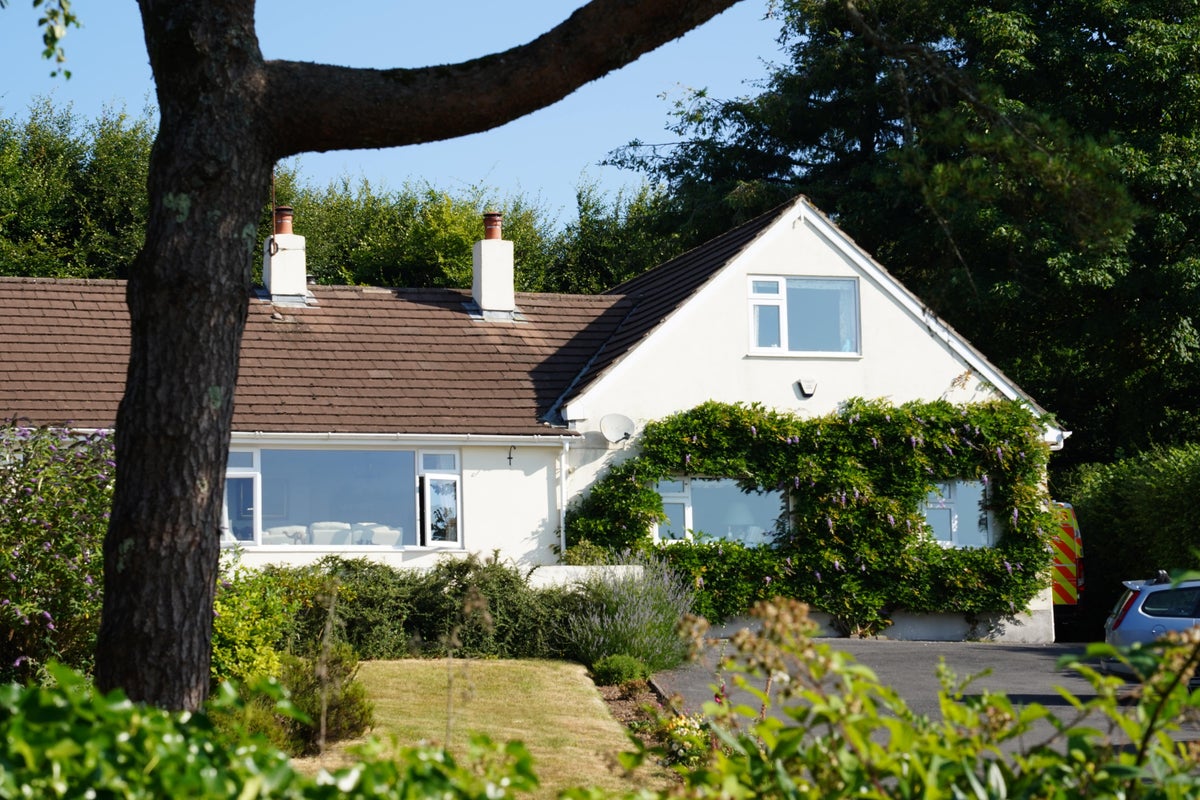
The 78-year-old former Conservative prisons minister, later a Reform UK spokeswoman and familiar face from reality television, was found dead at her home known as Widdecombe’s Rest in Haytor Vale on the morning of 9 July 2026. Her body was discovered by a gardener. Police later established that she had been attacked the previous day, around 12.30pm on 8 July, while eating lunch. Prosecutors told magistrates that she suffered catastrophic head injuries after being struck 21 times with a hammer.
Joshua Kerry, 28, from Rotherham in South Yorkshire, has been charged with her murder. He is accused of driving approximately 270 miles in a red Vauxhall Corsa to the remote Dartmoor property, entering through the front door, carrying out the attack in the hallway and kitchen in under two minutes, taking her wallet, and fleeing. Counter-terrorism officers are leading the investigation, describing the killing as a “targeted attack.” Motive remains under active examination.
The security cameras at Widdecombe’s bungalow have now moved to the centre of the case. Court hearings have heard that two cameras recorded the sequence: the arrival of a man at the property, his entry through an open front door, and the brief, violent assault that followed. Prosecutors stated the entire incident lasted roughly two minutes. Ring doorbell footage is also understood to have provided an early breakthrough, capturing a white British man and his vehicle outside the home.
What has particularly unsettled observers is the suggestion of deliberate timing and preparation. CCTV from the Rotherham area, time-stamped 07:51 BST on the morning of the killing, appears to show Kerry leaving a residential address in a white shirt and shorts. A long object, described by neighbours as resembling a wooden baton or stick, is visible protruding from his shorts pocket as he gets into the red hatchback. The drive from South Yorkshire to the edge of Dartmoor would have taken several hours, placing him at the property around the time of the attack.
Legal sources familiar with the case files say the home security footage is expected to become the most contested and scrutinised piece of evidence as the matter progresses toward trial. It not only places a figure at the scene in the minutes before the assault but also allows investigators to map the precise sequence of movements inside the property. Analysts note that the short duration of the attack, the removal of the wallet, and the rapid departure may be used by the prosecution to argue planning rather than a spontaneous confrontation.
Widdecombe had lived in the quiet Dartmoor community for many years after leaving frontline politics. She named the bungalow Widdecombe’s Rest, a reflection of her desire for solitude after decades in the public eye. Neighbours described a woman who had become simply “one of them,” known for her forthright opinions yet integrated into village life. The remote setting, once a source of peace, now stands as the location of one of the most high-profile political killings in recent British history.
The involvement of counter-terrorism police has fuelled intense speculation. Officers have examined whether the attack had any political or single-issue motivation linked to Widdecombe’s long record of outspoken conservative views. She had appeared on television the morning of the day she was killed. Police have so far declined to release the full home security footage publicly, citing operational reasons, though elements of it have been discussed in open court.

In court, the details already released have been stark. Prosecutor Kashif Malik told Westminster Magistrates’ Court that Kerry arrived at the house, entered, and attacked Widdecombe as she ate. The 21 hammer blows caused fatal blunt-force trauma. Her wallet was taken. The speed of the entire episode has been emphasised repeatedly by the Crown as evidence of a focused and determined assault rather than a prolonged struggle.
Kerry remains in custody. He has not yet entered a formal plea at the higher court stage and is presumed innocent unless and until convicted. Defence arguments are expected to focus closely on identification, the interpretation of the camera footage, and any forensic links between the suspect, the vehicle, and the scene. The Rotherham CCTV showing the object in his pocket will almost certainly feature heavily in arguments about preparation.
The case has already produced tributes from across the political spectrum. Prime Minister Keir Starmer and Reform UK leader Nigel Farage were among those who paid respects. Widdecombe’s family have indicated plans for a private funeral at Buckfast Abbey. In Haytor Vale itself, flowers have been left near the property and a police cordon remained in place for days as forensic work continued.
What makes the newly highlighted security camera material so significant is its potential to lock the timeline with unusual precision. Three minutes of movement before the break-in, followed by a two-minute attack, creates a narrow window that both sides will seek to interpret. For the prosecution it may demonstrate reconnaissance or final approach. For the defence it may raise questions about opportunity, visibility, or alternative explanations for the figure captured on camera.
As the case advances, further hearings are expected to examine the full digital evidence, including any additional camera angles, metadata, and technical analysis of the recordings. The footage from Widdecombe’s own home has already shifted from a piece of investigative material to the central narrative of the trial. In a quiet Devon valley that once offered solitude to one of Britain’s most recognisable political figures, a few minutes of grainy video now stand at the heart of efforts to determine exactly how and why she died.
The coming months will test how completely those cameras captured the truth of 8 July 2026. For now, the images of a figure moving toward a front door in the middle of a summer day remain the most chilling element yet disclosed in a case that continues to grip the nation.