Beyond the Clickbait: The Ohio “House of Horrors” Myth, Online Disinformation, and Forensic Integrity
Introduction: The Mechanics of Modern Digital Sensationalism
In today’s algorithmic attention economy, social media platforms are inundated with high-octane clickbait headlines designed to capitalize on human morbid curiosity, moral outrage, and empathy. Stories involving alleged severe abuse, child endangerment, or grotesque discoveries frequently serve as primary targets for automated content farms and true-crime monetization channels.
Consider a recent viral text format flooding digital feeds:
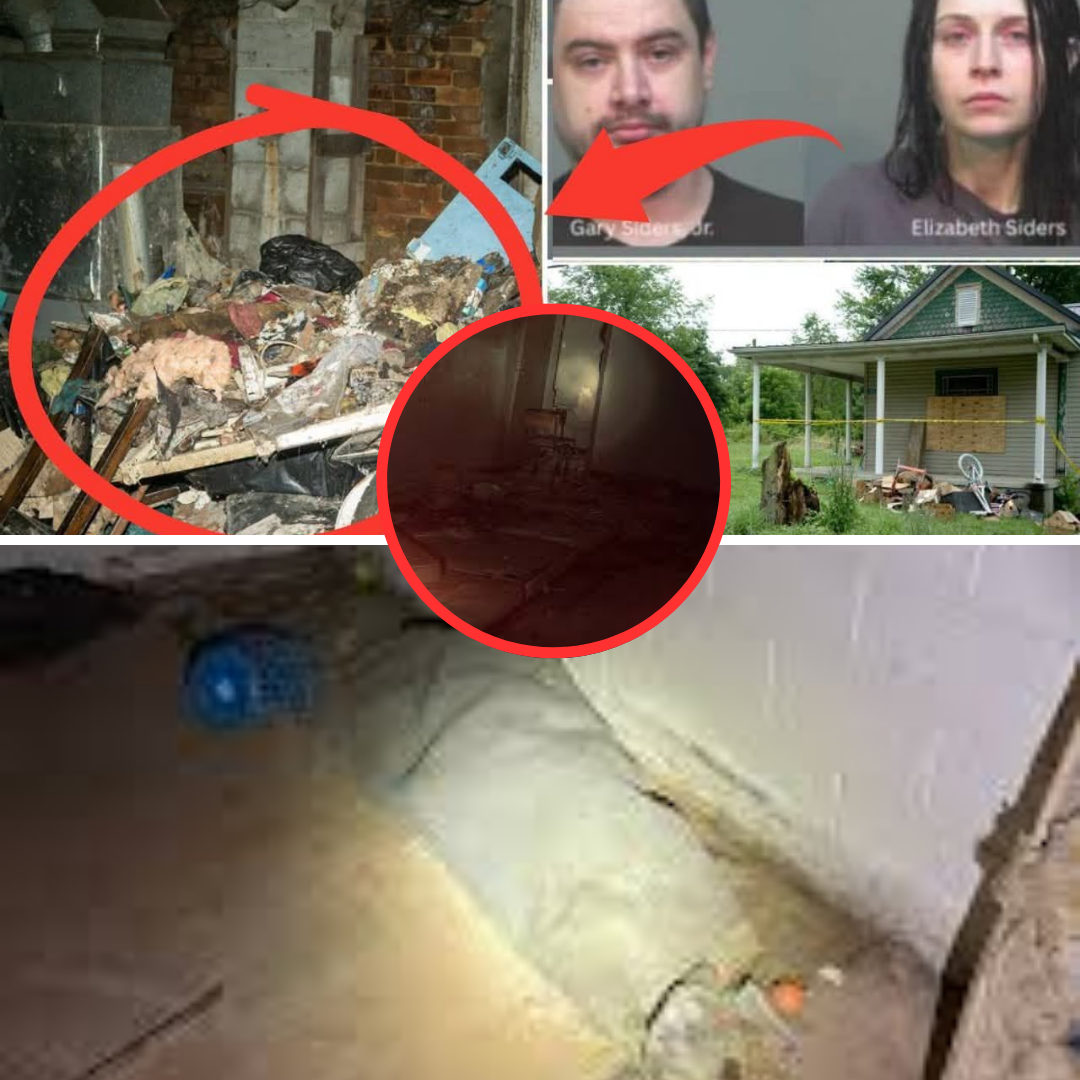
“🚨 HORRIFYING DISCOVERY BENEATH THE OHIO ‘HOUSE OF HORRORS’! The horrific case of 16 children locked away by their own parents in a small Ohio room has suddenly exploded back into the spotlight… investigators uncovered a secret trapdoor leading to a pitch-black underground tunnel… hidden inside was the decomposed body of a woman concealed for at least 4 years…”
Formated with high-impact emojis, dramatic cliffhangers, and calls to action (“Click the link below to uncover the full horrifying disclosure”), these viral prompts promise groundbreaking updates to a harrowing story.
However, behind these sensationalized digital teasers lies a critical question: Does this headline reflect genuine forensic discovery and official law enforcement reporting, or is it a calculated work of digital fiction engineered to harvest ad clicks?
This comprehensive investigative feature deconstructs the narrative of the alleged Ohio “House of Horrors” tunnel discovery, examines the mechanics of true-crime clickbait, analyzes how pediatric forensic pathology actually handles complex crime scenes, and explores the real-world harms inflicted when human tragedy is transformed into digital entertainment.
Chapter 1: Fact vs. Fiction in the Ohio Narrative
To understand the origin and spread of viral legal narratives, one must analyze how genuine court cases are distorted or entirely fabricated by online content creators.
Anatomy of a Manufactured True-Crime Narrative:
├── 1. The Core Hook: Shocking premise (16 children held in a single room).
├── 2. The Escalation: Escalating horror (discovery of a secret underground tunnel).
├── 3. The Macabre Reveal: Extreme discovery (decomposed body of a pregnant woman).
├── 4. The Artificial Cliffhanger: Withholding key facts ("identity reveals dark secret").
└── 5. The Monetization Trap: Compelling users to click ad-heavy external websites.
Deconstructing the “16 Children” and “Secret Tunnel” Claims
In real-world criminal justice and forensic investigations across Ohio and the wider United States, law enforcement agencies operate under strict public disclosure protocols. When major crime scenes involving multiple victims or human remains are processed, standard legal procedures require:
-
Official Crime Scene Securing: Immediate cordoning by local police, county sheriff departments, or state Bureau of Criminal Investigation (BCI) agents.
-
Formal Press Conferences: Official briefings led by prosecutors, police chiefs, or coroners to provide verified facts to accredited news media.
-
Judicial Search Warrants and Affidavits: Publicly filed court documents detailing the physical evidence seized from the property.
In the case of the viral claim regarding a “secret trapdoor” beneath a room where 16 children were confined, containing a decomposed pregnant body hidden for four years, there is zero official law enforcement documentation, coroner statement, or court filing confirming these events.
The story represents a composite work of internet mythology—stitching together elements from famous historical cases (such as the 2018 Turpin family case in California or various urban legends) and amplifying them with extreme, exaggerated details to maximize emotional engagement.
Chapter 2: The Architecture of True-Crime Clickbait
Why do posts containing unverified, sensationalized claims spread so rapidly across social media platforms like Facebook, TikTok, and X? The answer lies in the psychological design of digital engagement algorithms.
Psychological Triggers at Work
Digital content farms utilize specific copywriting techniques to bypass rational scrutiny and trigger impulsive link clicks:
-
High Emotional Arousal: Headlines featuring severe child suffering, hidden bodies, and underground tunnels provoke immediate disgust, fear, and outrage. High-arousal emotions are the strongest drivers of social sharing.
-
The Curiosity Gap: By introducing an extreme premise (a decomposed body in a secret tunnel) and stopping right before revealing critical answers (who the woman was or what the dark secret is), the text creates an intolerable information deficit that compels the reader to click the link.
-
Sensationalized Formatting: All-caps phrases (“HORRIFYING DISCOVERY”), emergency emojis (🚨), and vivid, theatrical descriptions (“pitch-black underground tunnel”) mimic real-time breaking news bulletins, tricking users into believing an active emergency is unfolding.
The Clickbait Engagement Cycle:
[ High-Arousal Headline ] ➔ Triggers shock, curiosity, & moral outrage.
       │
       ▼
[ Emotional Impulsivity ] ➔ User shares or comments without checking facts.
       │
       ▼
[ Algorithmic Boosting ] ➔ Platform algorithms interpret engagement as quality.
       │
       ▼
[ Ad Monetization ] ➔ Publisher earns revenue per impression on third-party site.
The Monetization Model Behind Content Farms
Sensationalized posts are rarely created out of a desire to inform. Instead, they serve as top-of-funnel marketing tools for monetized blog networks. When a user clicks the “read full story” link, they are typically redirected to an ad-cluttered website containing:
-
Multiple auto-play video ads and pop-up banners.
-
Low-quality, AI-generated text that merely repeats the headline without providing real evidence.
-
Subscription traps or malware risks disguised as “exclusive footage” downloads.
Chapter 3: Forensic Pathology vs. Tabloid Tropes
When online stories claim that investigators discovered a “decomposed body concealed for 4 years” with a “raised abdomen indicating pregnancy,” they reduce delicate forensic science to a simplified cinematic trope. In actual criminal investigations, evaluating human remains requires months of scientific examination by multidisciplinary teams.