Britain’s Most Controversial Child Murder Case: The Lucy Letby Conviction Continues to Spark Intense Debate
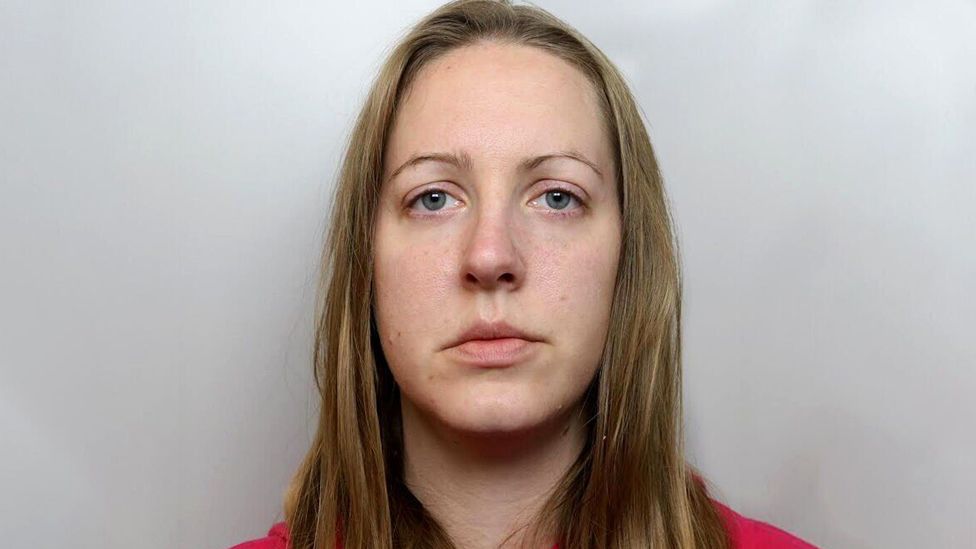
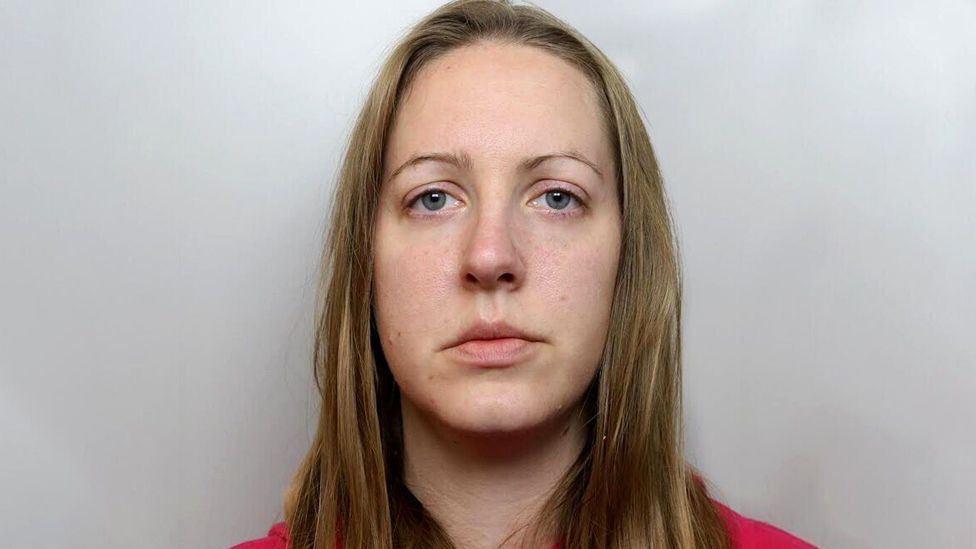
Lucy Letby, a former neonatal nurse at the Countess of Chester Hospital in England, was convicted in 2023 of murdering seven newborn babies and attempting to murder seven others between 2015 and 2016. She received multiple whole-life prison sentences, one of the harshest penalties in the UK justice system. The case shocked the nation, raising profound questions about trust in the healthcare system and the vulnerabilities of premature infants in neonatal units.
The prosecution built its case largely on circumstantial evidence, medical expert testimony, and statistical patterns. Letby was the only staff member consistently present during the suspicious collapses and deaths. Prosecutors alleged she deliberately harmed infants through methods such as injecting air into their bloodstreams or stomachs, overfeeding with milk, or tampering with feeding tubes and intravenous lines. No direct eyewitnesses observed the alleged acts, and there was no forensic evidence like DNA linking her definitively to the harms in many instances.
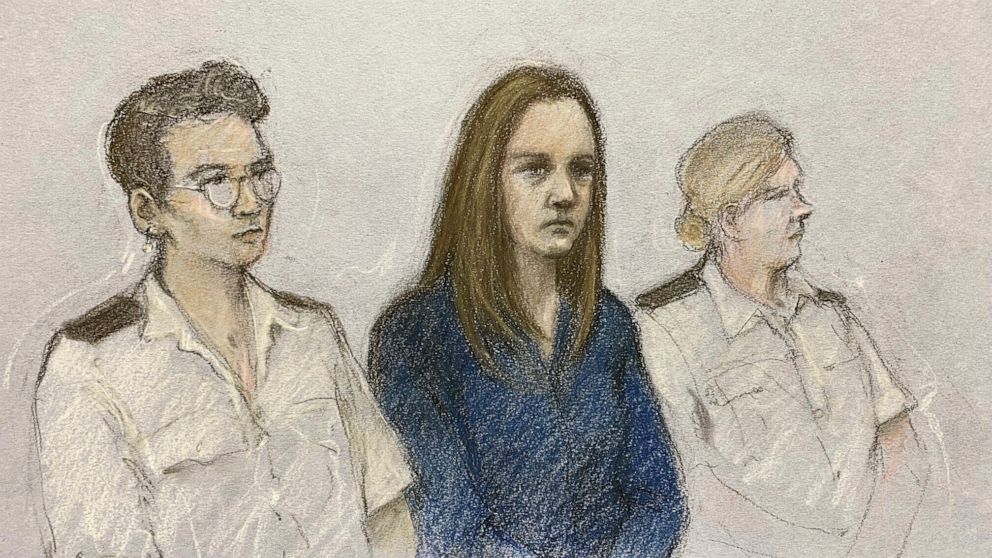
Dr. Dewi Evans, a key prosecution expert, played a central role, interpreting clinical notes as evidence of intentional harm. The jury deliberated and found Letby guilty on most counts after a lengthy trial. Her appeals have so far been unsuccessful, and she remains incarcerated at HMP Bronzefield, where reports describe her as a model prisoner working in the library.

However, long after the verdict, the case refuses to fade. A growing chorus of medical experts, statisticians, and legal professionals has challenged key elements of the evidence. In early 2025, an international panel of neonatologists, chaired by Canadian expert Dr. Shoo Lee, reviewed the medical records of the 17 cases. They concluded there was “no evidence of murder,” attributing the deaths and collapses to natural causes or poor medical care at the under-resourced unit. The panel highlighted issues like misinterpretations of X-rays, failures to rule out natural deteriorations, and problems with the hospital’s staffing and practices.
Critics also question the statistical evidence, which showed Letby present during incidents, arguing it suffered from selection bias and failed to account for other factors. The defense did not call competing medical experts at trial, a point now cited as a significant weakness. Letby’s legal team, led by barrister Mark McDonald, has submitted this “new medical evidence” to the Criminal Cases Review Commission (CCRC), seeking to refer the case back to the Court of Appeal.
The Thirlwall Inquiry into the broader circumstances at the hospital has seen delays, with its final report now expected in early 2026. Meanwhile, debates rage online and in the media, with some viewing challenges as necessary scrutiny of expert evidence in complex cases, while others see them as undermining justice for the bereaved families.
The Lucy Letby case highlights deeper issues in how courts handle intricate medical testimony and statistics. As new analyses emerge, public trust in the verdict wavers, ensuring this tragedy remains one of Britain’s most divisive legal sagas. Whether fresh evidence will lead to a retrial or exoneration remains uncertain, but the questions it raises about neonatal care, expert witnesses, and justice will persist for years to come.