Hidden Files, Deleted Videos, and a Story That Collapsed in Court: The Murder of Baby Preston Davey
Jamie Varley insisted that the death of 13-month-old Preston Davey was a tragic accident. The former secondary school teacher told hospital staff and police that he had left the toddler unattended in the bath for only a couple of minutes on 27 July 2023. When he returned, he claimed, Preston was submerged and unresponsive. It was a story of momentary parental failure, the kind that can happen in any home. But as forensic specialists recovered digital evidence from phones and pathologists catalogued dozens of injuries, that account disintegrated under the weight of medical fact and recovered data. What emerged was a picture of prolonged physical, sexual and emotional abuse that ended in murder.
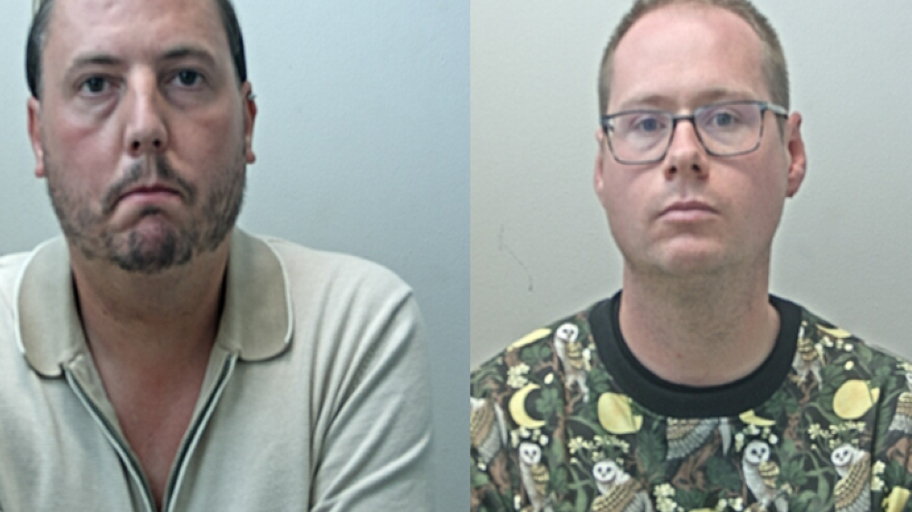
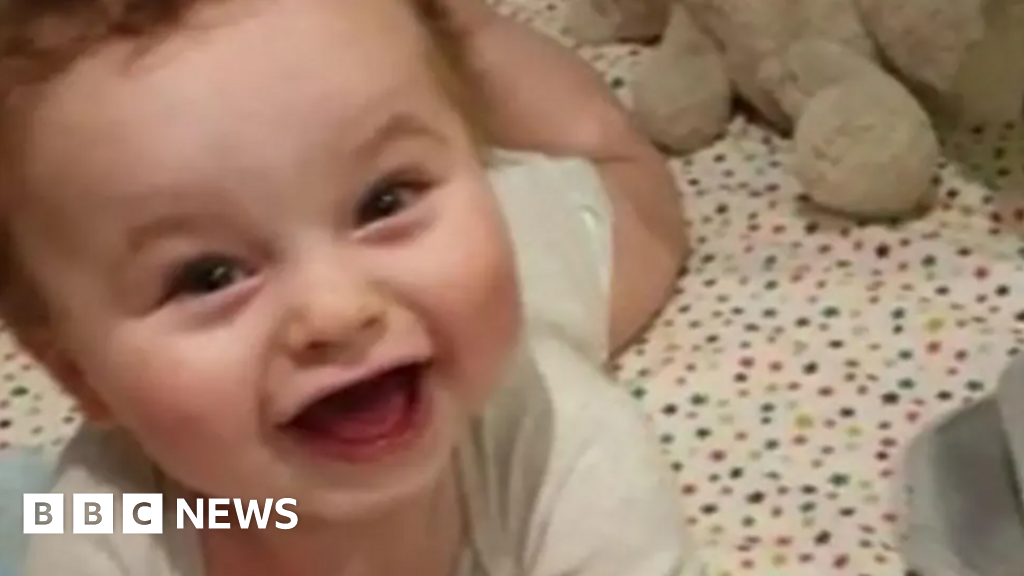
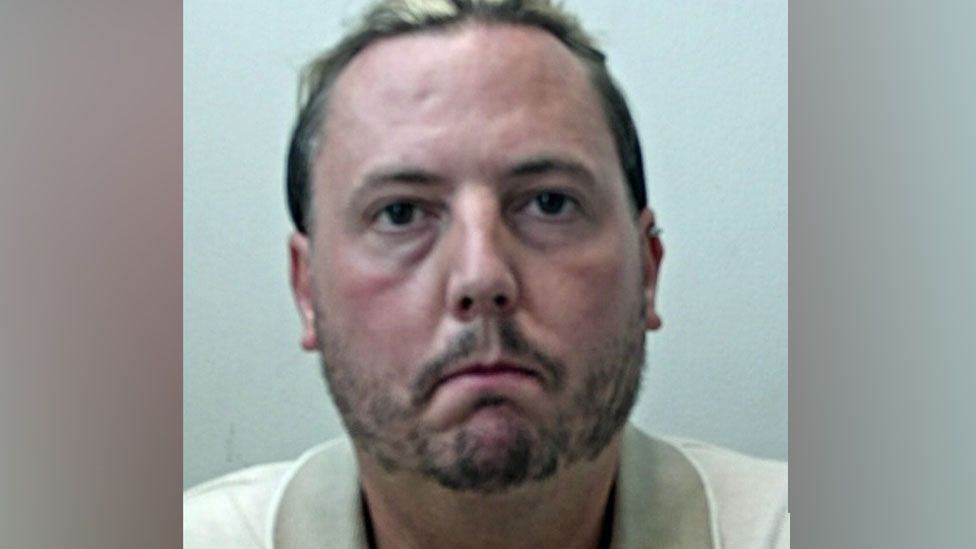
Preston Elijah Davey was born on 16 June 2022. Within days of his birth, Oldham Council obtained an emergency care order. His biological mother, Sarah Davey, later described the agony of losing her child and the even greater agony of learning what happened after he was placed with the men who intended to adopt him. At around nine months old, Preston moved into the Lancashire home of Jamie Varley, then 37, a teacher with responsibilities that included child safeguarding, and his partner John McGowan-Fazakerley, then 32, a sales manager in the finance sector. On social media, the couple projected an image of devoted new parents. Instagram posts showed a smiling toddler, toys, and the trappings of a happy family life. Behind closed doors, the reality was starkly different.
Varley and McGowan-Fazakerley had been in the process of adopting Preston for only about four months when he died. During that short period, the child suffered a catalogue of harm. Hospital visits for bruises, rashes, seizures and breathing difficulties punctuated his time in their care. On some occasions medical staff were reassured by explanations and even by videos the men produced purporting to show accidental bumps. Police were contacted at least once by hospital safeguarding teams, but concerns were not escalated in a way that removed Preston from the home. The final emergency came on the afternoon of 27 July 2023. CCTV captured the two men rushing into Blackpool Victoria Hospital with the unconscious child. Preston was pronounced dead that evening. Varley’s initial account was consistent and repeated: an accidental drowning after a brief absence from the bathroom.
The post-mortem examination destroyed that narrative. A Home Office pathologist found that Preston had not drowned. The cause of death was acute upper airway obstruction — consistent with smothering or with an object or objects inserted into his mouth. Across his small body were approximately 40 traumatic injuries sustained while in the couple’s care. These included at least 30 external bruises, internal injuries to the mouth, throat, anus, bowel and bladder, and a healing non-accidental fracture of the left upper arm. Some of the injuries were clinical signs of sexual abuse. The medical evidence painted a picture of repeated trauma rather than a single catastrophic accident.
While the physical injuries were devastating, it was the digital evidence that turned the case into something even darker. Forensic specialists examined phones belonging to the defendants. What they recovered went far beyond the curated family images posted online. Investigators found indecent images and videos of Preston. Some had been shared between the two men via Snapchat. Others appeared to document cruelty: the toddler left alone in a bathtub for more than 14 minutes, footage later set to music and shared; evidence that Preston had been deliberately kept awake in what prosecutors described as psychological cruelty; and material linked to sexual assaults. Four days before his death, on 23 July 2023, both men were alleged to have sexually assaulted the child, with Varley recording aspects of the incident. Some of the material had been deleted or stored in ways that required specialist recovery. The hidden and recovered files became central to the prosecution case. They transformed a claimed moment of neglect into documented patterns of abuse.
Varley maintained his innocence throughout. In police interviews he protested that the death was an accident and vowed to fight the allegations “to the day I die.” When he gave evidence at Preston Crown Court he denied that the photographs and videos were “trophies” of abuse. He said he felt “disappointed” and “really ashamed” looking back at some of the images, but insisted they were not evidence of sexual offending. He offered explanations for bruises and injuries — toys falling, normal toddler mishaps, unusual sleeping positions. The jury heard those explanations against the backdrop of the recovered phone data and the pathologist’s findings. Expert witnesses described signs of “frozen watchfulness” in some of the videos, a behavioural indicator associated with children living in fear. Near-misses and life-threatening situations had been recorded rather than prevented.
The trial at Preston Crown Court lasted seven to eight weeks. The prosecution presented a meticulous case built on medical evidence, digital forensics, and the timeline of injuries. They argued that Varley had treated the child as a “plaything,” subjecting him to months of physical, sexual and emotional abuse that culminated in the fatal assault. McGowan-Fazakerley faced charges of causing or allowing the death of a child, child cruelty and sexual assault. The defence challenged the interpretation of injuries and the significance of the phone material. Competing expert opinions on the precise mechanism of death were put before the jury. After deliberating for a little more than two days, the jury returned unanimous guilty verdicts on all counts.
Varley was convicted of murder, two counts of sexual assault of a child under 13, inflicting grievous bodily harm, multiple counts of child cruelty, and numerous offences relating to the making, possession and distribution of indecent images of a child. McGowan-Fazakerley was found guilty of causing or allowing a child’s death, two counts of child cruelty and one count of sexual assault. On 18 June 2026, Mr Justice Mark Turner sentenced Varley to life imprisonment with a whole-life order — meaning he will never be eligible for parole. McGowan-Fazakerley received a 25-year sentence. In his sentencing remarks the judge described the murder as sadistic and the abuse as prolonged and deliberate.

The case has prompted painful questions about safeguarding. Preston had been known to multiple agencies. Hospital staff had noted injuries. Police had been contacted. Social care systems had been involved from the earliest days of his life. Yet the abuse continued until it killed him. Commentators and campaigners have pointed to fragmented information-sharing, over-reliance on parental explanations, and the difficulty of detecting harm when perpetrators present as competent, professional and loving. Varley’s role as a teacher with safeguarding responsibilities added a layer of bitter irony. The man trusted to protect other people’s children had systematically harmed the child in his own home.
Sarah Davey, Preston’s biological mother, has spoken of unimaginable pain. She has said she will never forgive the men who destroyed her son’s short life. Victim impact statements read in court described the lasting devastation for the wider family. Public reaction has been one of horror and anger. The case has fuelled calls for reform in adoption and fostering processes, for better training in recognising signs of sexual abuse in infants, and for more robust digital investigation as standard in unexpected child deaths.
The recovery of deleted and hidden digital material proved decisive. Modern phones store far more than users realise. Snapchat messages, deleted videos, metadata and residual files can survive attempts at concealment. In this case, forensic specialists pieced together a timeline of abuse that the defendants’ public presentation and verbal accounts could not withstand. The phone evidence did not merely corroborate the injuries; it documented the intent and the pattern. What Varley described as an isolated accident was revealed as the endpoint of months of calculated cruelty.

Preston Davey lived only 13 months. Four of those months were spent in the care of the men convicted of his abuse and murder. The story that began with a claim of tragic accident ended in a courtroom where the evidence — medical, photographic and digital — left no room for that claim to stand. Jamie Varley will spend the rest of his life in prison. John McGowan-Fazakerley will serve a lengthy term. For the family left behind, and for the professionals who review what went wrong, the case stands as a grim reminder of how hidden harm can persist until it is too late, and of how technology, when properly examined, can finally bring that harm into the light.
The full weight of the evidence — dozens of injuries, recovered phone data, and the collapse of the accident narrative — ensured that justice, in the form of the severest sentences available, was delivered. Yet the deeper questions about how a child known to the system could suffer so terribly for so long remain unanswered in any way that can restore what was lost. Preston Davey’s brief life and brutal death continue to demand scrutiny, accountability and change.