Seven Years On: The Epic Wimbledon Final That Still Divides Tennis Fans
On July 14, 2019, Centre Court at Wimbledon witnessed one of the most dramatic and unforgettable matches in tennis history. In a grueling showdown lasting 4 hours and 57 minutes—the longest men’s singles final ever played at the All England Club—Novak Djokovic defeated Roger Federer in a five-set thriller: 7-6(5), 1-6, 7-6(4), 4-6, 13-12(3). Djokovic saved two championship points in the decisive set to secure his fifth Wimbledon title and 16th Grand Slam overall. Seven years later, the “War of 13-12” continues to spark passionate debates among fans about greatness, resilience, and what might have been.
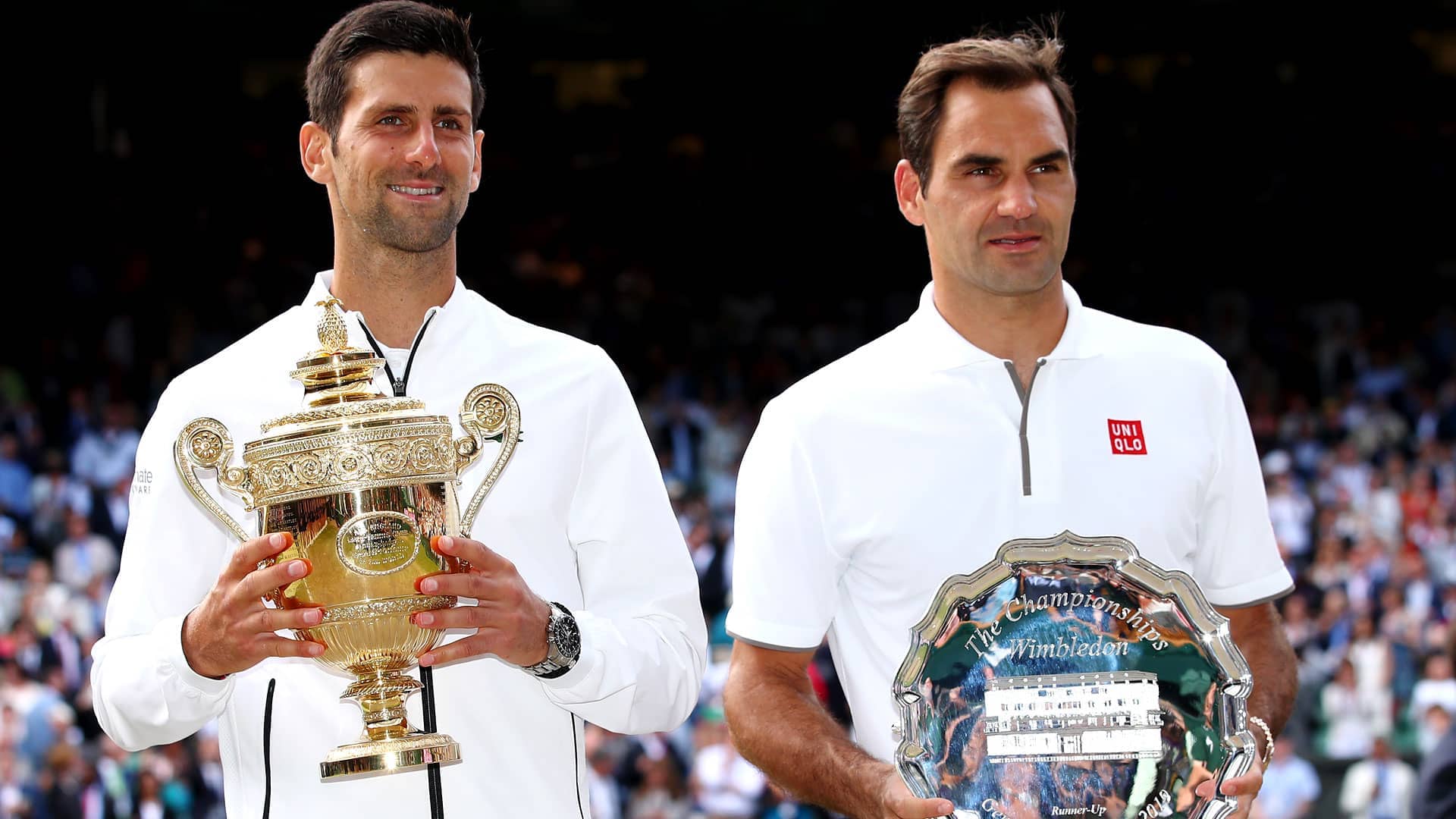
The rivalry between Djokovic and Federer had already produced legendary encounters, but this final stood apart. Both players entered the match in superb form. Federer, the eight-time Wimbledon champion and crowd favorite, was chasing a record-extending ninth title and his 21st major. At 37, he was still moving with elegance and precision. Djokovic, the defending champion and world No. 1, was determined to solidify his legacy as one of the greatest of all time.
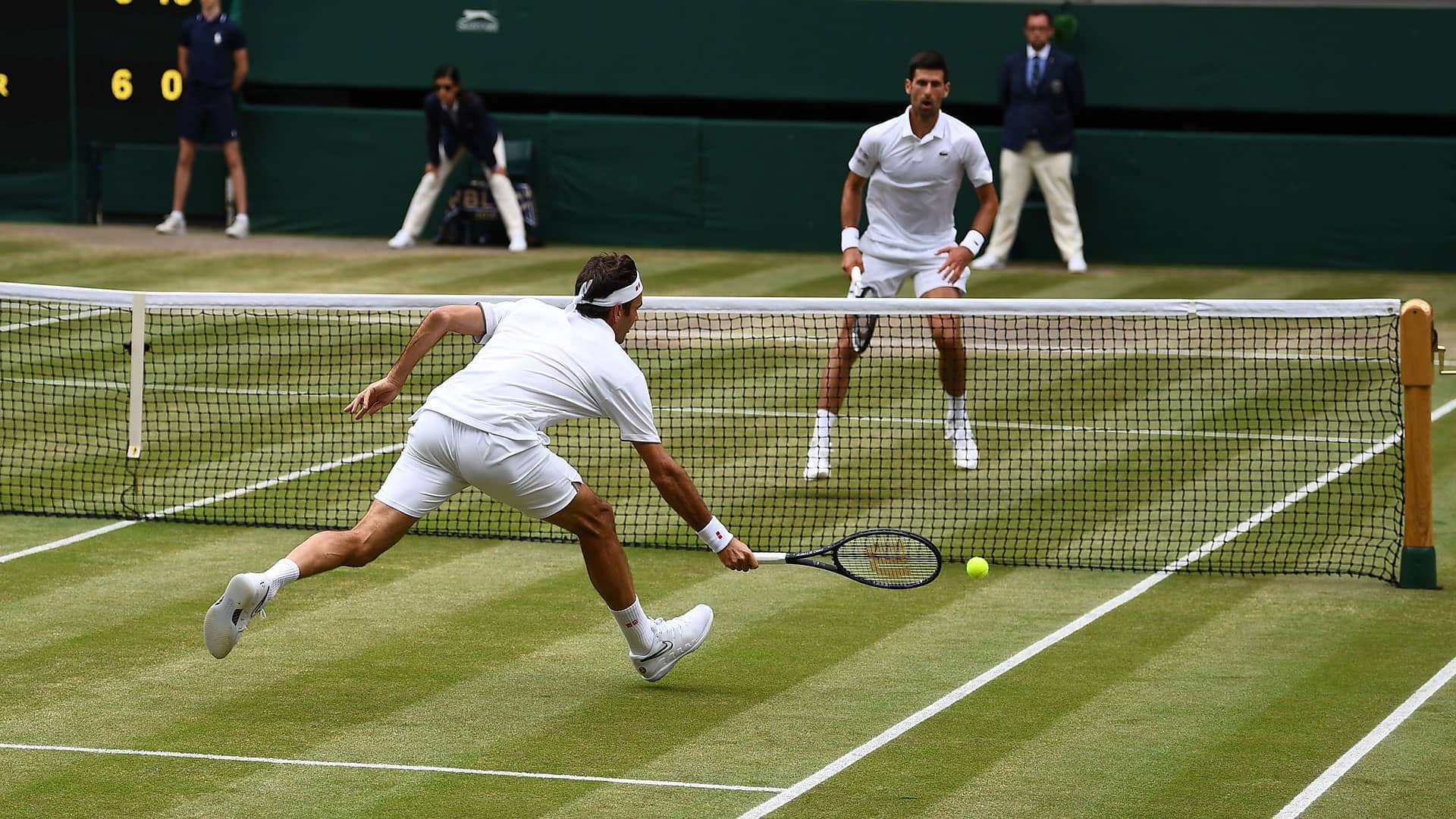
The first set showcased classic grass-court tennis. Both men held serve comfortably until a tense tiebreak. Djokovic edged it 7-5 after some brilliant rallies, drawing on his trademark defensive resilience. Federer, however, roared back in the second set, dominating with precise groundstrokes and serve to take it 6-1, delighting the partisan Centre Court crowd.
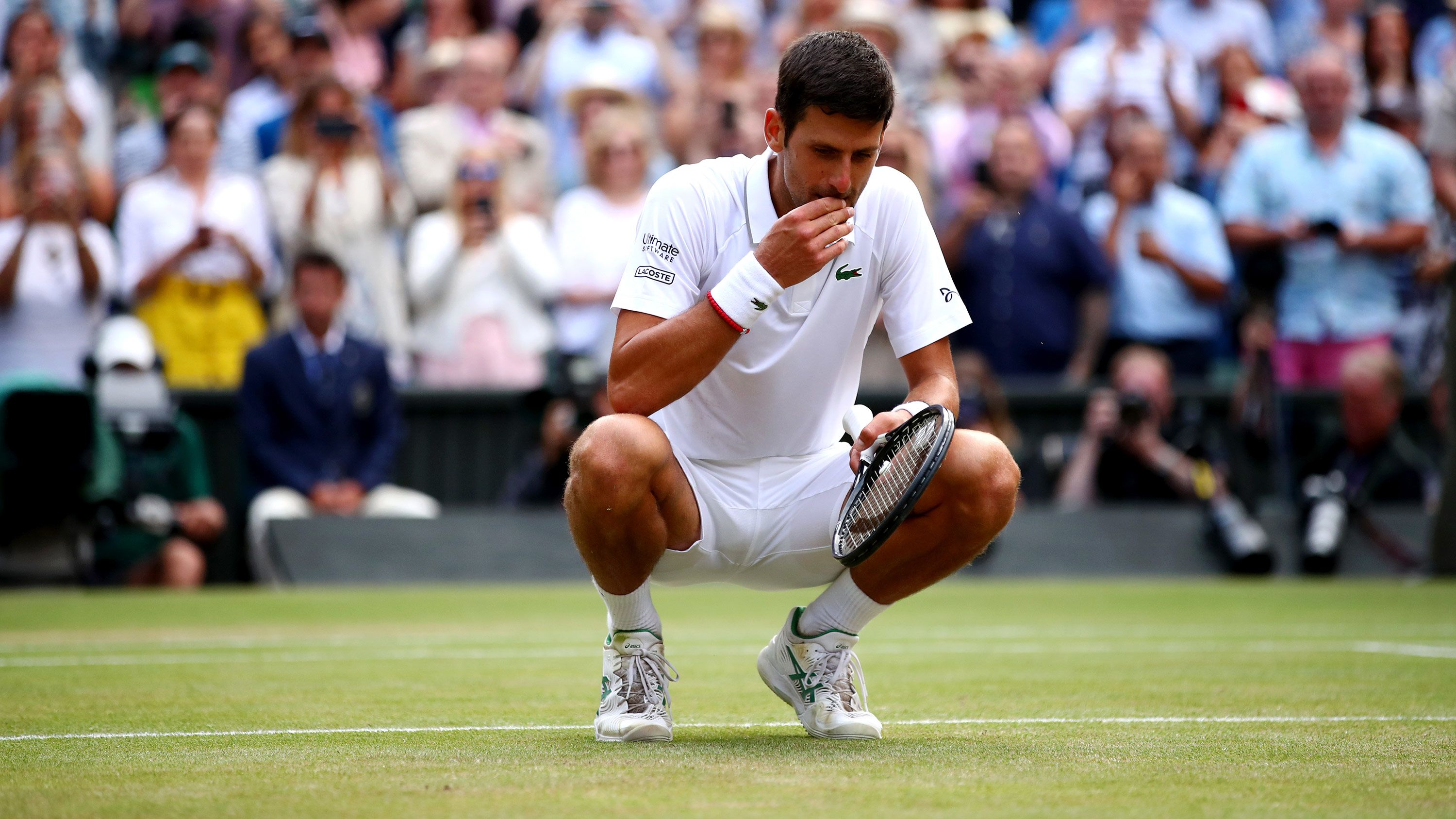
Momentum swung again in the third set. Djokovic saved a set point at 4-5 with a crucial service winner and eventually claimed the tiebreak 7-4. The fourth set belonged to Federer, who broke serve and closed it out 6-4, setting up a fifth set that would go down in history. With no tiebreak until 12-12 under the new rules introduced that year, the tension built to breaking point.

At 8-7 in the fifth, with Federer serving, he held two championship points at 40-15. The Swiss Maestro was on the verge of glory. But Djokovic, displaying ice-cold nerves, saved both—first with a stunning backhand winner down the line, then forcing an error. The set continued, with both players trading holds until 12-12, when the first-ever final-set tiebreak at Wimbledon decided the match.
Djokovic raced to a lead and sealed the victory 7-3 in the tiebreak. He dropped to his knees on the hallowed grass, then famously tasted a blade of Centre Court turf in celebration—a moment that encapsulated the emotion of the day. Federer, despite outplaying Djokovic in many statistical categories (more aces, winners, and break points converted), was left heartbroken, walking away with the runner-up plate once more.
This victory was monumental for Djokovic. He became the first man since 1948 to win a Wimbledon final after facing championship points down. It extended his head-to-head dominance in major finals against Federer and marked the last Grand Slam final of Federer’s illustrious career. For fans, the match symbolized the passing of an era while highlighting Djokovic’s unparalleled mental fortitude.
Even today, the 2019 final remains a touchstone. Supporters of Federer lament the missed opportunities and argue he was the better player on the day. Djokovic’s admirers celebrate his comeback as the ultimate display of champion mentality. Clips of the match still rack up millions of views, and tennis enthusiasts continue to analyze every rally.
The encounter underscored the evolution of the sport: new tiebreak rules, shifting rivalries, and the enduring appeal of grass-court drama. As Wimbledon 2026 unfolds, this classic reminds us why we love tennis—the human stories, the heartbreak, and the heroic triumphs that transcend statistics.
Seven years on, the echoes of that epic afternoon linger. Whether you’re Team Fed or Team Djoker, one thing is certain: this match shook Wimbledon and cemented its place among the greatest in tennis lore.